
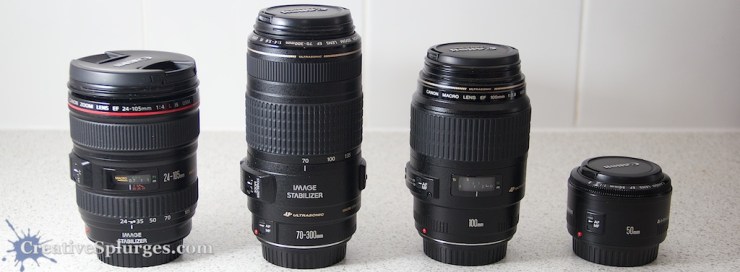
It’s pretty obligatory these days for a photography website to reveal what equipment is being used. Maybe it’s bragging, maybe it’s just a courtesy so someone in the market for some new hardware can see what results certain gear can get. For me, however, I find that a full and accurate model number appeals to my obsessive compulsive nature, so I like writing them down. There is also, I suppose, also an element of the former in there as well.
To that end, below is a list of the equipment I currently use to take the images you’ll find on this site – and at the bottom, an archived list of the kit I used to use, because I would have definitely linked to it in the past and if nothing else, this is a site charting my development as a hobbyist photographer.
Shooting
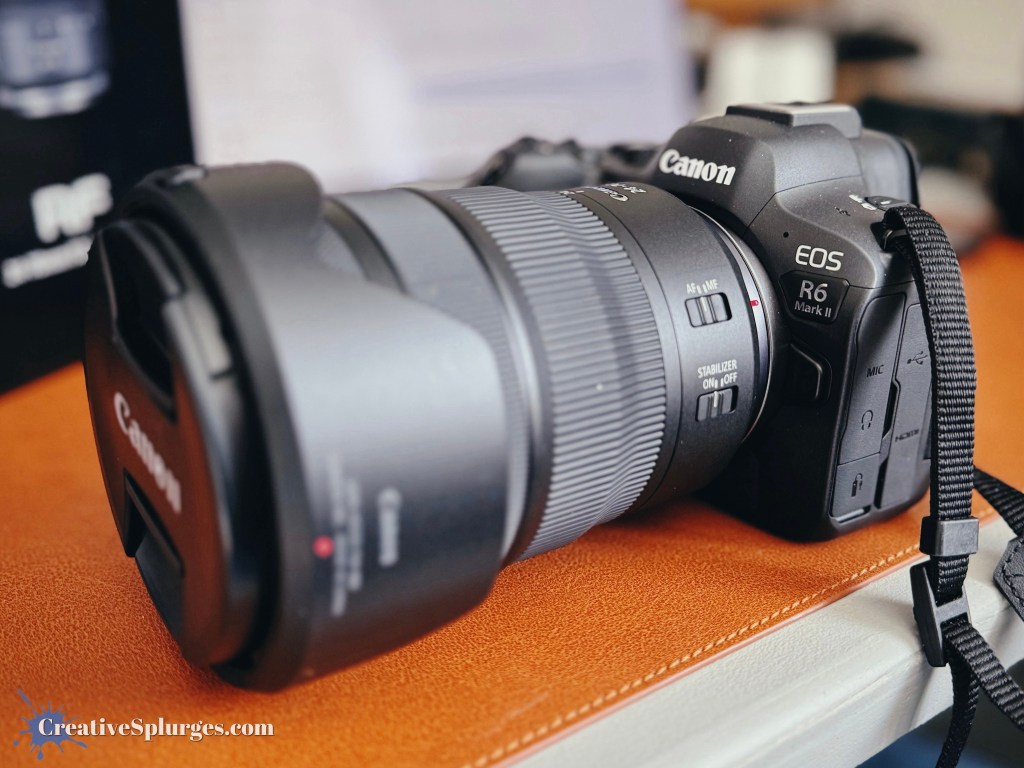
Canon EOS R6 Mark II
After 12 years of shooting with the EOS 60D, in 2023 I made the jump to full-frame mirrorless cameras with the EOS R6 Mk II. I had in many ways been preparing for this moment for years, as all of my lenses were EF lenses compatible with full-frame cameras, even through my long-serving 60D had an APS-C crop sensor. Stats-wise, the only stat that doesn’t blow the 60D out of the water is the resolution, which is 24 megapixels, compared to the 60D’s 18. In terms of burst speeds, low light performance and autofocussing it is almost incomparable.
A pointless little table demonstrating the inexorable progress of technology
| EOS 60D | EOS R6 Mk II | |
| Resolution | 18.1MP | 24.2MP |
| Autofocus Points | 9 | 1053 |
| Maximum ISO | 6400 | 102400 |
| Continuous Shooting | 5.3 fps | 40 fps |
Canon EOS 60D

I’ve been shooting with the Canon EOS 60D since summer 2011, and I continue to love it. It’s rarely let me down, any time I’ve missed a shot it’s been due to my own incompetence. It’s decent in low light with a top ISO of 6400, has a pretty respectable 18 megapixel sensor (certainly not the highest these days but plenty high enough for my uses), and a burst mode that captures five shots a second, great for when things are happening so fast that even the seasoned pros just have to spray and pray.
It also has a fold-out LCD screen for those times when the perfect shot requires the camera to be in a position where a human’s head (especially one as amusingly-sized as mine) can’t fit, or so save my back from bending down.
Prior to the 60D I owned an EOS 400D, which was a great starter getting me into DSLR photography, but after a few years I felt I had outgrown it. For reference, any pictures taken before late July 2011 were shot on the 400D, and most pictures taken after July 2023 were taken on the R6 Mk II.
Sony DSC-RX100 IV
An inheritance from my late father-in-law, for when I need to travel really light, the DSC-RX100 is a highly portable little point-and-shoot with a f/1.8 aperture and a 20 megapixel sensor which gives some great results. It can focus really close as well, making for some interesting close-ups of my cats. I’ve not had much occasion to use this camera a huge amount, sitting as it does between my DSLR and my iPhone means I more often use one of those when shooting.
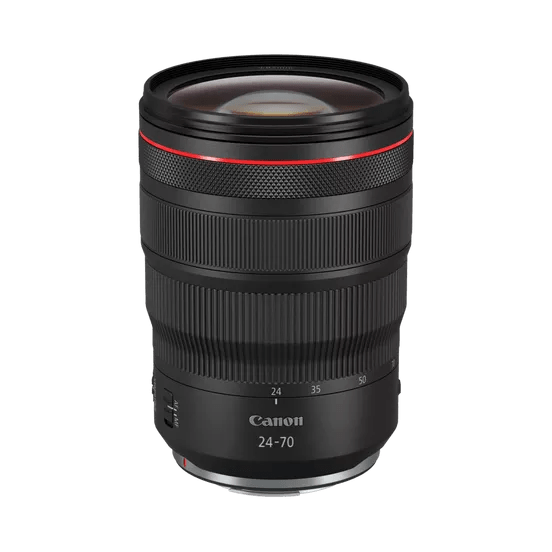
Canon RF 24-70mm f/2.8 L IS USM Lens
I decided to treat myself.
When I upgraded from the 60D to the R6 Mk II, after a while I decided that I wanted to have a native piece of glass on the front of it, but if there’s something I’ve always been chasing in my photography, it’s a lovely shallow depth of field. With me having a young son and an even younger niece, it gave me the impetus to finally move on from my well-serving 24-105mm L lens to something that works a bit better for photographing people and working better in the low light of living rooms where I expect to use it the most. I was itching to play with one, and hired one over Christmas 2023 which only made me want it more, so in March 2024 I finally bit the bullet when the price pixies all aligned.
For now, I’m hoping to not notice the tradeoff of the comparatively smaller zoom for the bigger aperture, but time will tell on that one.
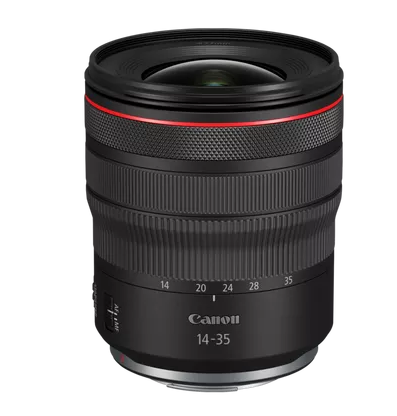
Canon RF 14-35mm f/4 L IS USM Lens
When I decided I wanted to add an wide angle zoom to my kit bag, my first instinct was to take the Canon RF 15-35 f/2.8 L for a spin and see how I found it. I soon realised that for what I would mostly be using it to photograph – landscapes and steam trains – the wider aperture was unnecessary and I would ultimately be paying a lot more for a larger, heavier lens (it’s basically the same size and weight as the RF 24-70mm f/2.8 I already carry around with me) for no real reason. Instead, I opted for this, the 14-35mm f/4 L – lighter, smaller, cheaper, and with the added bonus of that extra little smidge of a wider angle. I’m sure there will come a time when I regret not having that little bit extra aperture, but it won’t come often enough for me to justify the costs, both financial and physical, of the alternative.
Canon RF 100-500mm F4.5-7.1L IS USM Lens

When I switched to full frame, for the most part it brought nothing but benefits. Where I lost out was the reach on my 300mm telephoto. Also having access to the 70-200mm L zoom, it meant I wasn’t really happy with the 70-300mm in comparison to the image quality of the former lens, and the reach wasn’t that good either. So when a decent discount came round, I pounced on this 100-500mm L lens, mostly for its zoom range. At time of writing (although I can be notoriously bad at updating these blurbs once I’ve written them) it’s only been out and used in anger once, but I’m looking forward to having some fun shooting wildlife with it.
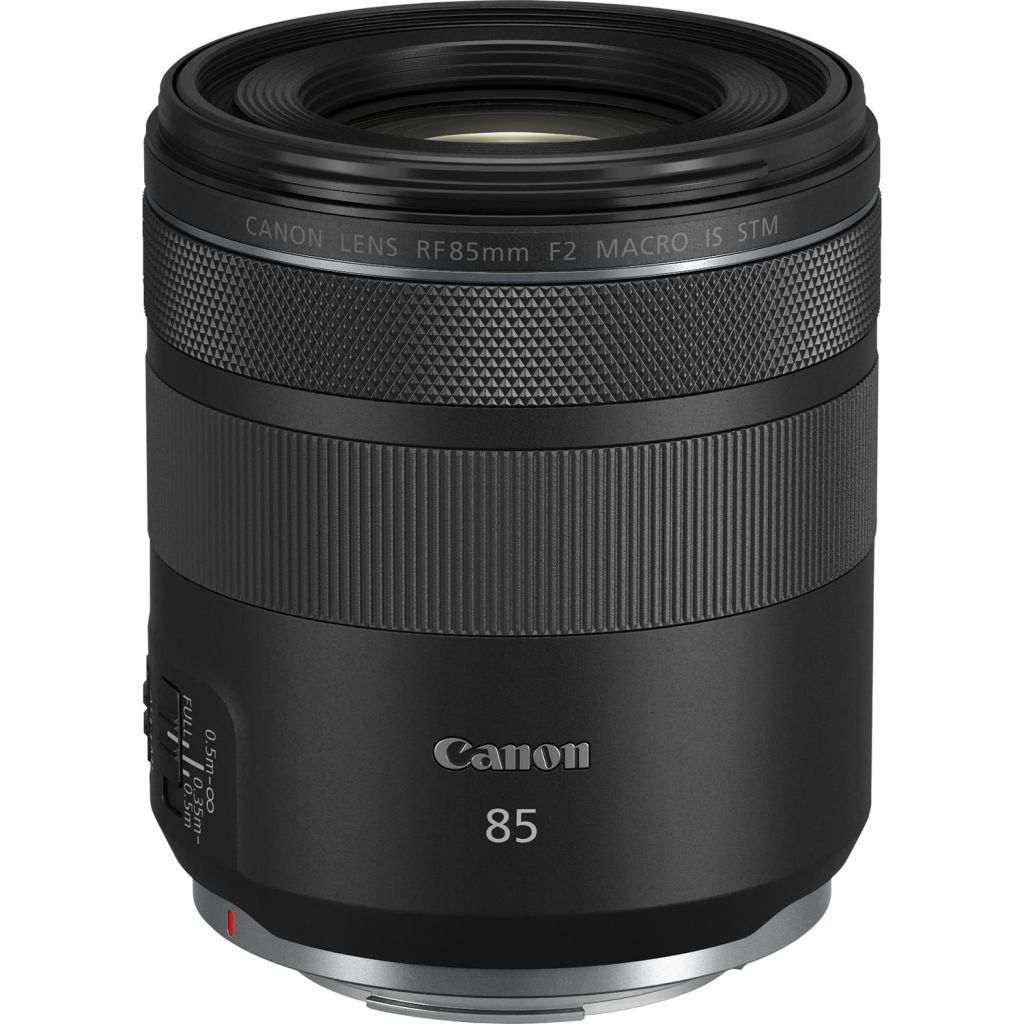
Canon RF 85mm f/2 Macro IS STM Lens
Picked up for a steal in a sale, I added the RF 85mm f/2 Macro to my kit bag in March 2024. Intended as a compliment to my EF 100mm Macro rather than a replacement, this lens doesn’t have the same 1:1 reproduction as the former lens (it can only achieve 1:2), but is a far better focal length for portraits, especially on a full frame camera. It also has image stabilisation, which the 100mm doesn’t, and has a slightly bigger aperture at f/2. In short, more than macro, I bought it for portraits, something which it excels at. I will still use it for macro shooting of course, but mostly I bought it for shooting things further away. I suspect I’ll end up using it more than the 100mm, because it’s lighter and I don’t need to faff about with an adapter, but at the same time the 100mm does still feel better made, and with a better autofocus system.
Canon EF 28-300mm f/3.5-5.6 L IS USM
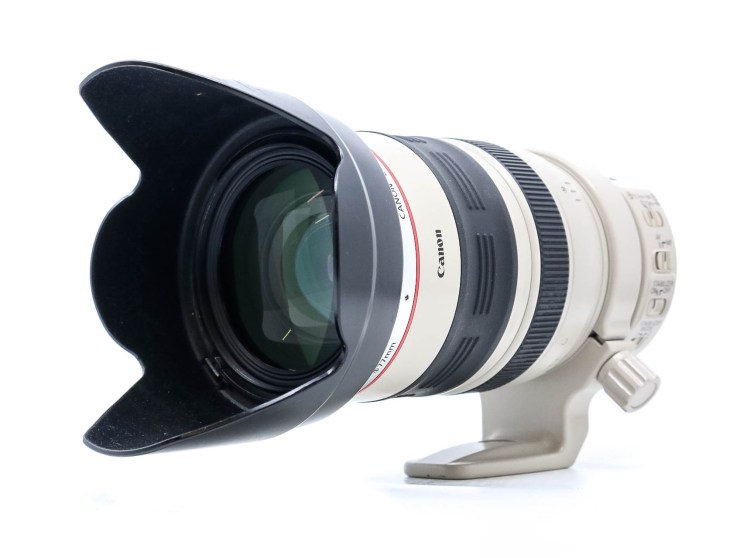
I own this lens mainly to photograph trains.
For a long time whilst I’ve been out shooting trains, I have had to make the decision: do I want to be able to snap the train as soon as I can see it, but at the expense of getting a wider shot as it goes by, or watch the train approach unable to get a decent shot, but then get a great image as she goes by? After a while I got a bit fed up of having to pick one or the other, and that led me – via a brief stint going back to using my EF 24-105mm lens – to discover this lens. Long discontinued, I grabbed a second hand one in like new condition, and have a lens that allows me to shoot an approaching train at 300mm, and then a passing one at 28mm. The cost of this best-of-both-worlds lens is its size and weight. Its size is comparable to my RF 100-500mm, and yet it is heftier. It has a pump action zoom (as opposed to the twist action most lenses have), which I adapted to surprisingly quickly.
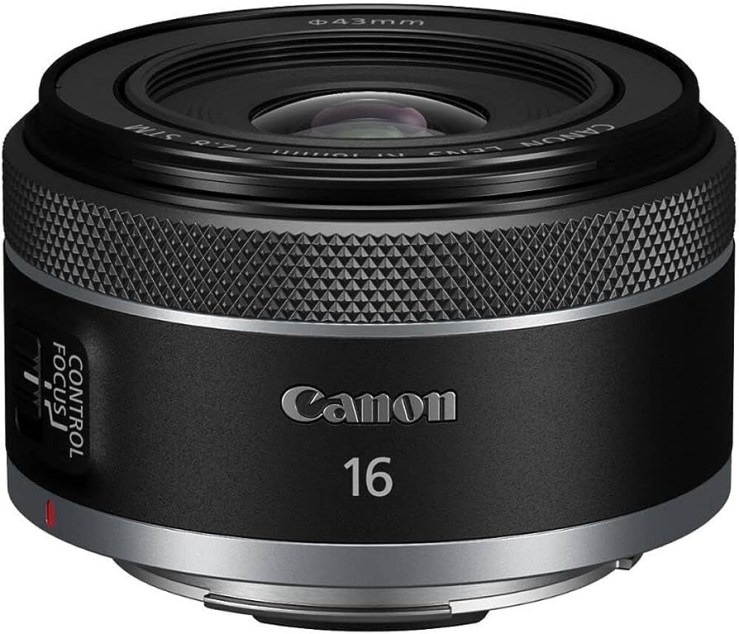
Canon RF 16mm f/2.8 STM Lens
I’ll be honest, I don’t really need this lens much considering I’ve since bought the 14-35mm f/4 to cover a much broader range of wide angles. I used it enough to realise I wanted something better and more versatile for those times I wanted to shoot wider angles. I seriously considered trading it in when I bought the wide angle zoom, but ultimately decided against it based solely on the premise that this lens is f/2.8 whereas the one that replaced it is f/4. In practise I suspect I’ll very rarely ever use it, so perhaps I will ultimately sell it on when I accept how little use it gets.
Canon EF 70-200mm f/4 L IS USM Lens

An inheritance from my late father, the 70-200mm is my go-to lens when I need some extra zoom, but not that much zoom – mainly because it’s an L lens and so generally of better quality and faster at focussing. The 70mm lower end crosses over nicely with my 24-105mm daily driver so there’s less occasions that I find myself with completely the wrong lens. That said, when I’m packing my stripped-down, lighter camera bag, this is the lens that usually gets left behind, mainly because both this and my longer telephoto won’t both fit and I’d usually rather not be caught short with only 200mm of focal length if I see something far away I want to take a photo of.
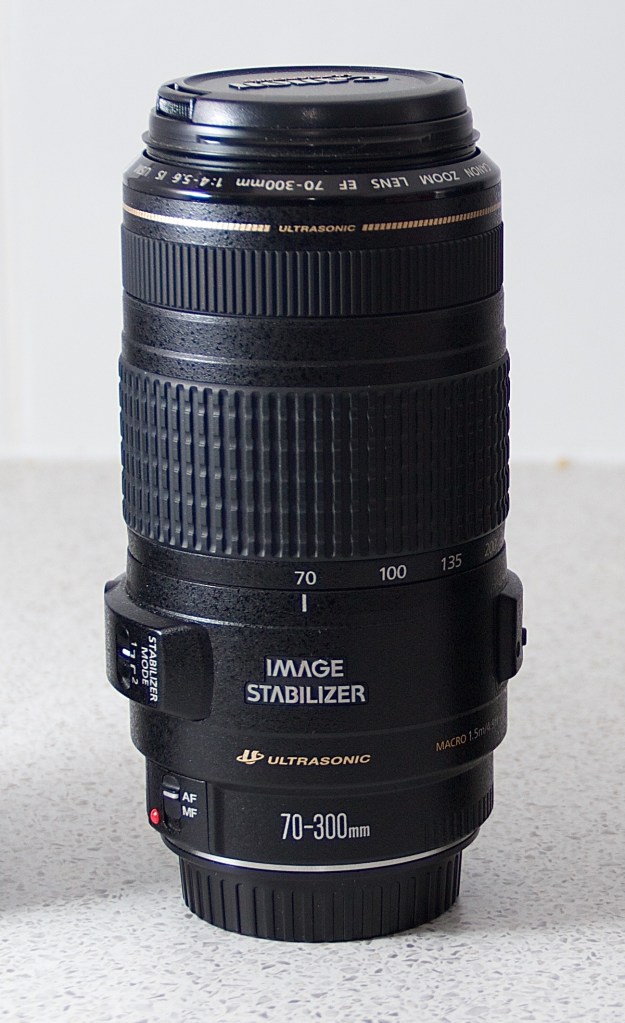
Canon EF 70-300mm f/4-5.6 IS USM Lens
For the times when 200mm is still not enough, I have this lens. Unlike my last set of equipment, the lower focal length of this one crosses over with my ‘main’ lens so I less frequently find myself with the wrong glass. The 300mm top end, meanwhile, can get pretty close to wildlife or aircraft. Many of the closeup photos of planes in the Bournemouth Air Festival megapost were taken with this lens. I’m not sure if it’s the fault of the lens or the camera body, but the autofocus can tend to hunt around quite a bit at times, and there is no full-time override of the focus ring to correct this.
I do sometimes find myself desiring something with a bit more zoom to it, but the difficulty here is I wouldn’t want to lose too much off of the bottom end of the focal range that I enjoy with this lens. That said I’d love the EF 400mm f/2.8 L if anyone reading this is feeling particularly generous. I’d find some practical way of carrying it, don’t worry.
Canon EF 100mm f/2.8 Macro USM Lens
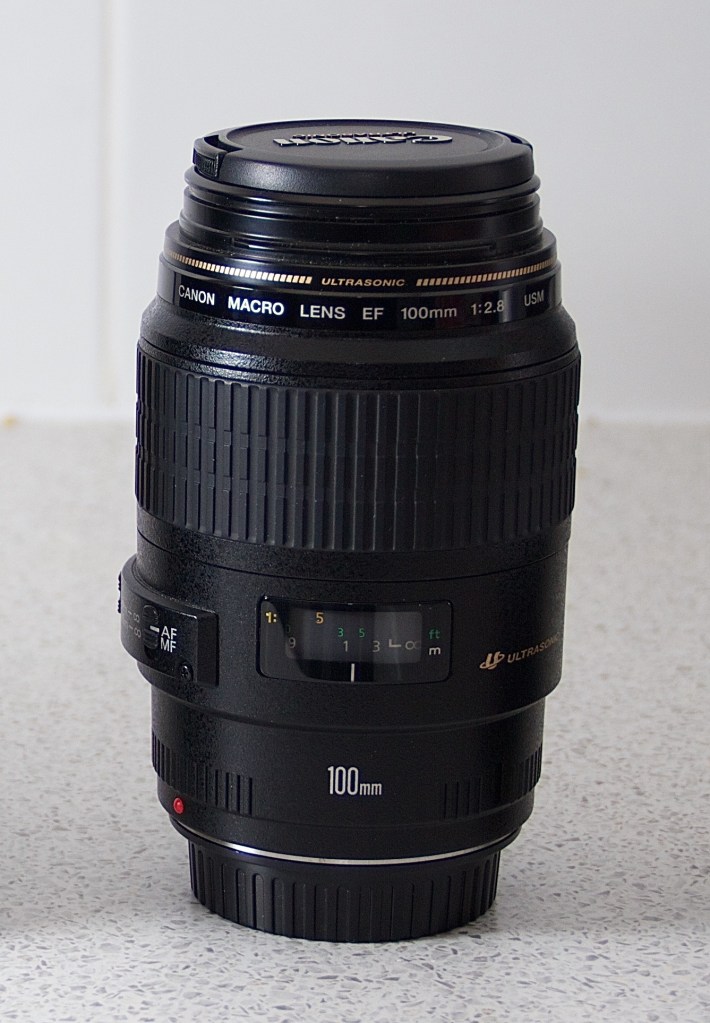
Beyond my two main lenses, I have a couple of other more specialised lenses that allow me to play about and get some interesting results. This one is a macro lens, allowing me to focus on items only about 15cm in front of the glass, great for insects or extreme closeups. It has 1:1 reproduction, meaning whatever you’re photographing can appear up to life-size on the camera’s sensor, leading to some incredible closeups. The lack of Image Stabilization can be an issue in lower light however, and when you’re focusing really close with the widest aperture setting, the depth of field is millimetres thin – this lens, thankfully, has full-time manual override on the focus, so you can easily adjust if the autofocus hasn’t quite got it right. That said, the depth of field at f/2.8 is so tiny that your breathing and natural body tremors can cause the subject to sway in and out of focus. I call it ‘macro sway’ and the best thing to do is hold your breath and try to time firing the shutter to the right moment. The autofocus is also really fast. For times when you can lock off the camera and use a longer exposure, the aperture closes all the way in to f/32.
The lens also focuses to infinity, and its big aperture allows for a nice shallow depth of field, which means I also intend to use it for some portrait work. It’s also useful for mid- to near-range wildlife photography, as you won’t have a problem with animals getting too close to be able to focus on them, unless they are actually intending to steal or eat you or your camera.
Canon EF 50mm f/1.4 USM Lens
My most direct upgrade, I replaced my 50mm f/1.8 “nifty fifty” with the 50mm f/1.4 USM in January 2015. I’d hired it for a while to play around with and decided that its superior image quality, faster autofocusing and bigger aperture was worth the cost of upgrade. I love images with ultra narrow depths of field and great bokeh, and this lens is great at both. If my cats are being cute, this is the lens I go for.

I have lens hoods for all of my lenses, but only the one for the 24-105mm comes with me everywhere as the others are a bit big to fit in my camera bag. Only the hood for the former is an official hood; the others all came very cheaply from China via eBay for less than a tenner for the full set – a fraction of the cost of just one official hood.
TTArtisan 50mm f/0.95 Lens
My most niche lens, the TTArtisan 50mm f/0.95 is an analogue, fully manual lens with a massive aperture. I bought it mostly as a curiosity largely because it was cheap and unusual.
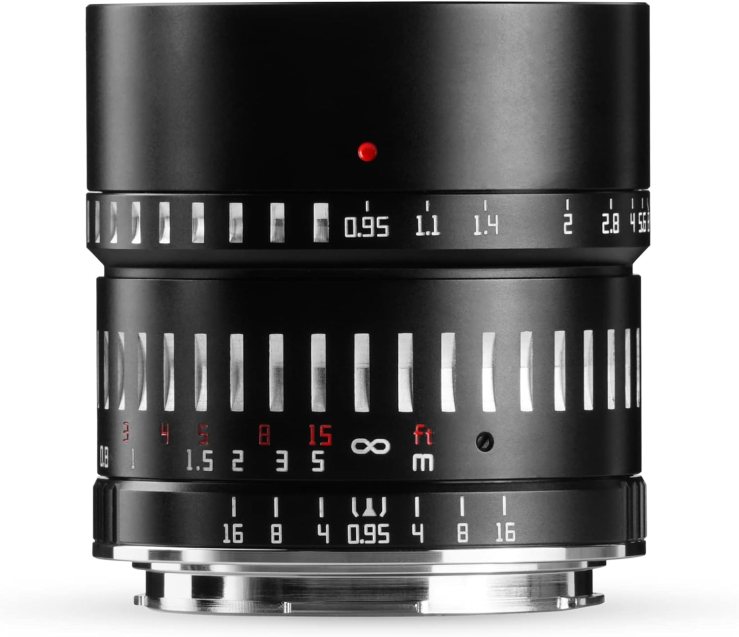
Without getting too bogged down in the technical aspects of photography (although sometimes I think I don’t get bogged down enough), the aperture is the ratio of the width of the opening of the lens compared to its focal length, expressed as an f number (the lower the number, the larger the opening). Most lenses tend to be f/4 (so the opening is a quarter of the focal length) and up. For zoom lenses, you tend to pay more for a consistent aperture through the zoom range, and in most cases larger apertures (smaller f numbers) are reserved for fixed focal length (prime) lenses, and rarely get below f/2. Even my 50mm f/1.4 lens above is considered to have quite a large aperture, and the next step, the Canon 50mm f/1.2, is ten times the price. It is very rare to get lenses with an aperture of f/1 or wider, so for the TTArtisan to be the price it is with an f/0.95 aperture is amazing, even if I sacrifice all electronics and need to rely on manual focussing to use it.
It is technically a crop sensor (APS-C) lens, but I still use it full frame because I like the analogue feel it gives at the edges when using the full sensor.
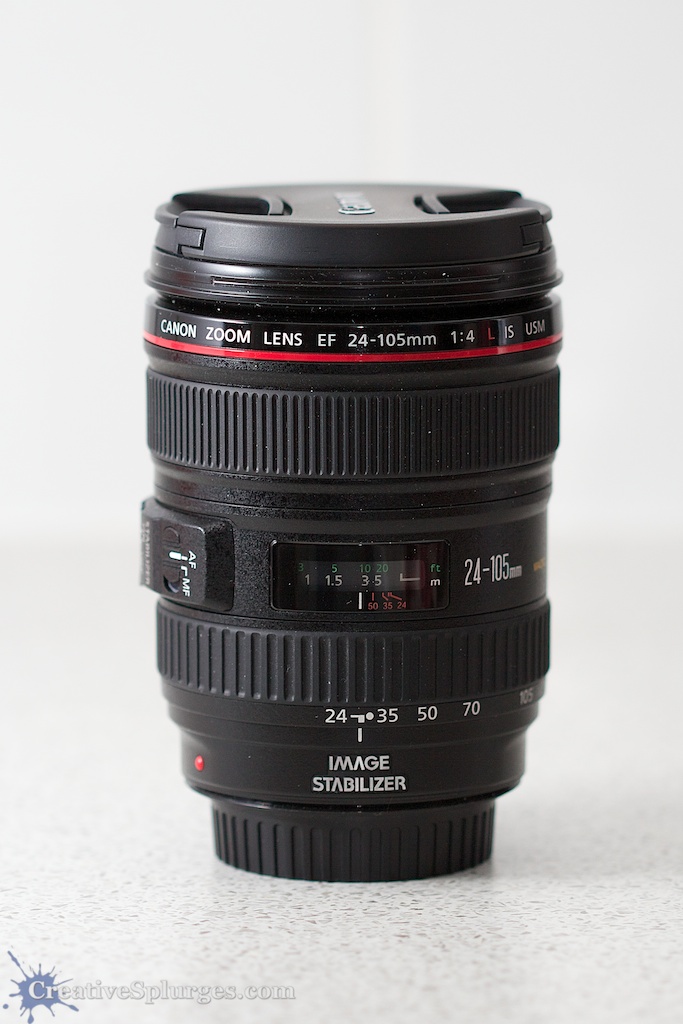
Canon EF 24-105mm f/4 L IS USM Lens
I can’t quite bring myself to move this lens to the retired section just yet, although day-to-day it has been replaced by the 24-70 f/2.8. This was my work-a-day lens, that itself replaced the 18-135mm EF-S I originally got alongside the 60D. Much like the 400D that came before my 60D, I was beginning to feel I was beginning to feel a little frustrated with the quality of the 18-135 with its chromatic aberrations and lack of pristine sharpness when I needed it, and was toying with the idea that I should have a far better lens for the one that is on the front of my camera 70% of the time. When I found a Groupon offer of this lens at a decent discount, I jumped at the chance.
When I upgraded to the 60D I realised I needed more than a standard kit lens, and I decided to get a decent lens with as big a zoom range as possible, giving me a nice wide focal range and minimising the need to swap out lenses any time anything happened more than a few yards away. The 24-105 has Canon’s really quite effective Image Stabilization technology, which allows me to get pretty good results without a tripod (which is a piece of kit I rarely carry).
Canon Control Ring Mount Adapter EF-EOS R
To enable me to connect all of the above EF lenses for my R-mount R6 , I have an adapter. This model also adds a control ring to enable me to adjust exposure or other settings without using on-camera controls, something that RF lenses have included.
Canon Speedlite 430EX II Flash Unit
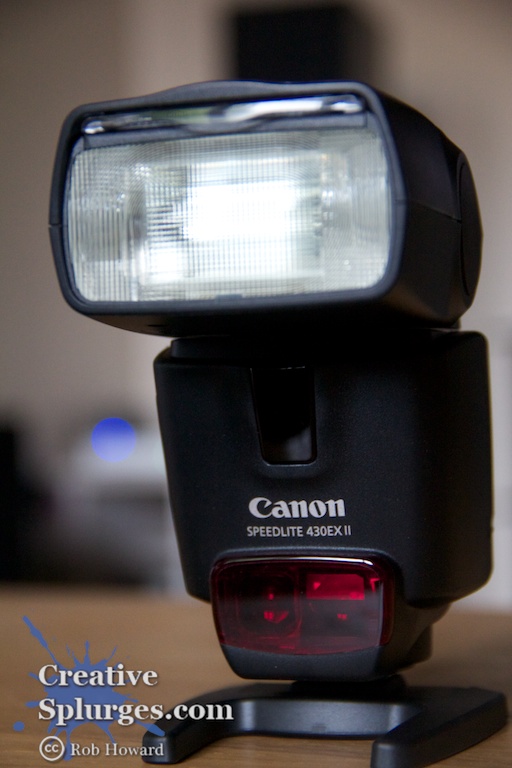
A rarely used part of my kit bag, I nevertheless have two of Canon’s midlevel flashgun. It’s reasonably powerful (I’ve taken photos in near-completely dark rooms that look brightly lit) and more importantly for me can be fired wirelessly using the 60D’s built-in remote trigger so I can get a side-lit subject. It has seen action in this set of practise images, as well as many of the images on this page, and saw use as a fill flash in some of the images in this post.
To complement this flash and get the most out of it, I’ve got a few accessories for this accessory. I have a plastic diffuser to soften the light a bit, a ring flash adapter, and a Lastolite Ezybox softbox which diffuses the light even more and gives a great, natural-looking soft light for portraits and the likes.
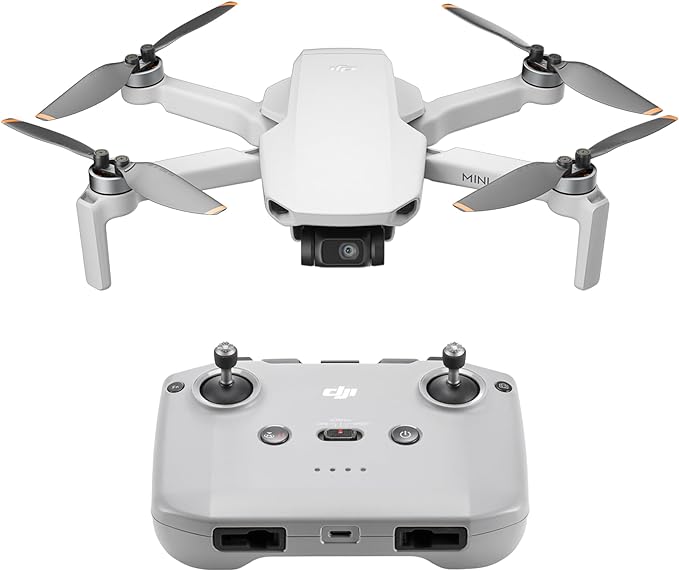
DJI Mini 4K
At the end of 2024 I was given a drone as a present, something I’d been thinking about getting for a while. It offers the biggest change to my photography options because suddenly all sorts of other angles and photos have become possible. I might well also use it for video, but primarily I expect to share photographs taken from a new perspective – once I get a bit more used to flying it.
Lowepro ProTactic 450 AW II Kit Bag
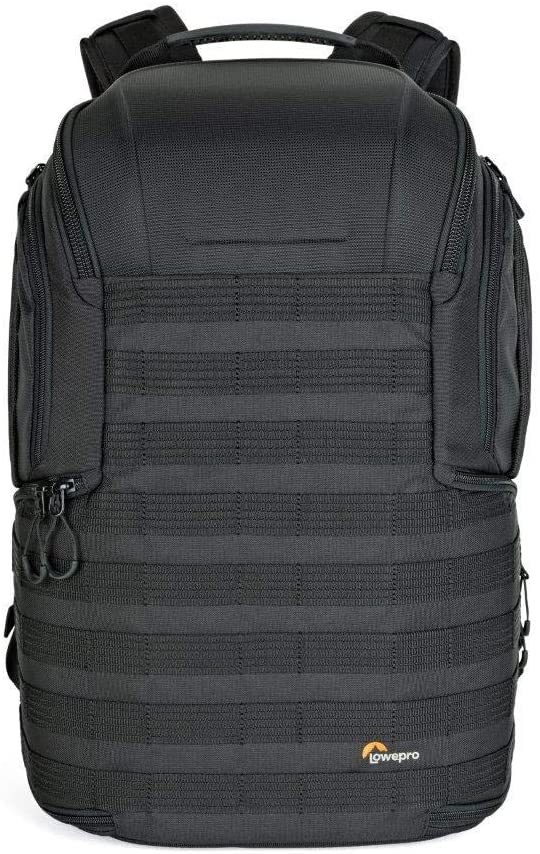
For the longest time I used a Crumpler New Delhi as my go-to kit bag for storing and carrying everything. I loved having the over-the-shoulder camera bag for providing quick access to the kit I needed without needing to find somewhere to set it down and have a rummage. However once I got into the latter half of my mid-thirties I realised that having a single-strap bag was doing what was left of my spine no favours and decided to switched to a more traditional backback. After much research and indecision I went with the Lowepro ProTactic 450, because it has two side pockets allowing me quick access to my camera and my telephoto without taking the bag off my back, and in the main body it fits everything else, including lenses, charger, batteries, SD cards, and my laptop.
Canon RS-60E3 Remote Switch
With my occasional experimentation with night, macro and astro photography (well, by ‘astro photography’ I mean ‘the moon’ and ’Jupiter, once’), I needed to invest in a remote shutter release so I could fire the camera without jogging it. This remote, a steal at only a tenner, replicates all of the function of my cameras’ shutter buttons, with the added bonus of a lock so if you’re using bulb mode at night you don’t have to stand around like a lemon during long exposures (and during winter, you can put your hands in your pockets).
I’ve also got a cheap Amazon wireless shutter release but I haven’t had much occasion to use it yet.
iPhone 17 Pro

The iPhone gets a special mention because, as of 2025, it’s probably my most-used camera. It’s always in my pocket when I’m out or within arm’s reach when I’m at home, so it’s usually the camera I have when something happens I need to capture quickly – usually, these days, it’s my kid or my cats being cute, and there’s no way they’ll ever hold the pose for me to nip upstairs and grab my big camera, so without the iPhone those moments would be lost. I also sometimes use my phone in favour of my big camera, especially when shooting long exposures, which are easier to do with the Spectre app on my phone rather than a big camera that would also need a filter and tripod for the effort.
I currently own an iPhone 17 Pro, with three 48 megapixel cameras on the back enabling me to shoot whatever I want, including 4K video in HDR at up to 120fps, helpful for future-proof clips.
Although many of the photos I take with my phone are of my kid and so don’t get shared online, anything else worth sharing will end up on my Instagram account, on one of my Instagram roundup posts on this site, or even on a dedicated post.
Editing
14″ MacBook Pro
With the passing of my long-serving iMac I needed a replacement. My previous setup was a 11″ MacBook Air for editing on-the-go (which in reality was usually only on holidays involving several overnight stays) and a 27″ iMac on my desk for most of my editing and storage. Luckily with the coming of Apple Silicon you don’t really sacrifice power or storage to get a laptop any more, so it made sense to converge the two and buy a decent-spec laptop – especially considering, with having a child about, I don’t get the same opportunities to disappear to my desk to edit pictures.
I opted for the 14″ model because 16″ was a bit big for me and you don’t really sacrifice much power between sizes like you used to in the Intel era. Hoping that I get many years of use out of this machine (like I did with my iMac/MacBook Air combo that lasted me over 10 years) I have specced it accordingly: It has an M2 Max chip with 64GB of RAM and 30 GPU cores and enough storage to hold my unfiltered collection of images.
iPad Pro (with Magic Keyboard)
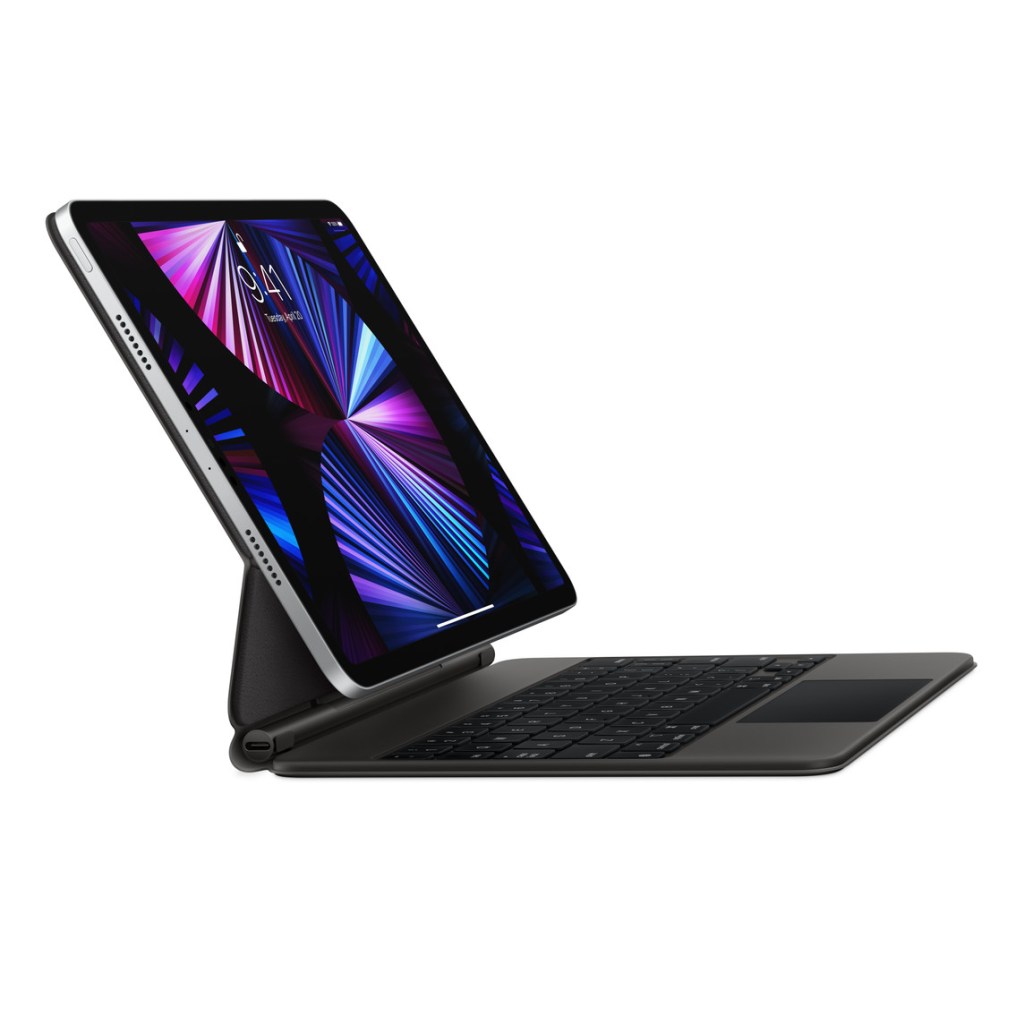
As an experiment in replacing my 11” MacBook Air with something a bit more modern, at the start of the covid lockdown I bought myself an 11” iPad Pro with a Magic Keyboard. Clearly iPadOS is not as versatile as MacOS for what I need to do, and I can’t run the full-fat Lightroom I like to use for edits on it, but I can do many on-the-go edits using Lightroom CC (which syncs via Creative Cloud), and of course with a decent web browser and the WordPress app combined with the great keyboard means I can easily write a lot on it (indeed, the words you’re reading now were written using that setup).
Software
Since around 2014 I’ve been using Lightroom Classic to edit my photos. Whilst I’m sure that Adobe would probably like me to move to Lightroom CC – and so would I, frankly, as I can use it both on desktop, phone and iPad – it just simply isn’t fully featured enough yet for me to do the edits I want to do. Lightroom allows me to keep all my images in one place, with a series of non-destructive edits to RAW files, and export them easily, watermarked and appropriately resized for web consumption. It also does a good job of combining images automatically, either in panoramas or HDR exposures, without leaving the app – and it also makes roundtripping to Photoshop a doddle for when I need to do something more creative than what Lightroom can offer (which, admittedly, is not that often).
Previously I used to use Aperture to edit my photos, and indeed still have over 30,000 images in my Aperture library. Unfortunately when Apple stopped supporting it the writing was on the wall and I made the switch to Lightroom. I elected to not bring the images I had in Aperture with me, as I’d not be able to bring all the edits, only the RAW files and some of the Aperture-based metadata, and the idea of losing or having to redo the edits on thousands of images is entirely unappealing to me. Unfortunately, I’ve now reached an impasse in that if I upgrade my primary desktop computer to the latest MacOS, Aperture will cease functioning, so I’ve found myself sitting a few versions behind until I can implement a better long-term solution (which involves importing all of the images into Lightroom and accepting the loss of edits, but keeping a backup of my Aperture library that I can open on a different computer running a version of MacOS old enough to still run Aperture).
Retired Equipment
On top of all of the gear listed above, there’s a few bits of equipment that I’ve since upgraded. However, since I’ve linked to them over the course of writing this blog and I think it might be of interest for people to see the progression of my equipment, you can still read about them below.
Canon EF-S 18-135mm f/3.5-5.6 IS Lens
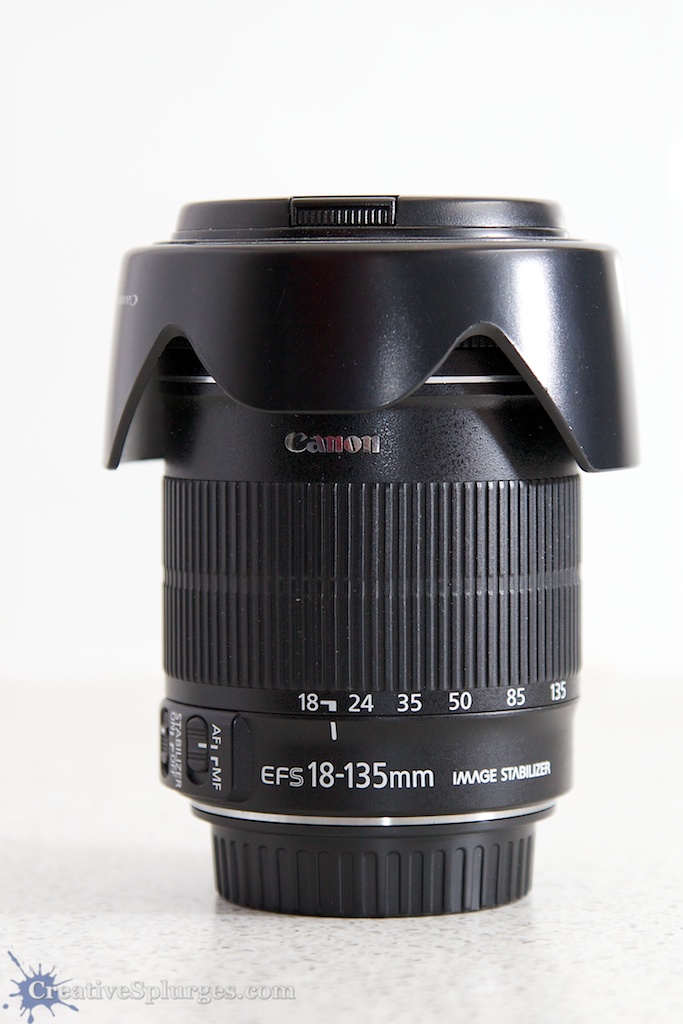
When I replaced this lens with the EF 24-105mm f/4 L, I still kept it around to cover the 18-24mm wider angles that the newer lens can’t achieve, but for space reasons it never ended up in my kit bag unless I was confident I was going to use it, which was basically never. Usually whenever I needed a wider angle I would either break out my phone, or take a bunch of exposures and rely on Lightroom to be able to stitch them together (which to be fair, it is rather good at). I’ve kept it around despite never using it, and at the moment it’s functioning as a glorified body cap for my 60D when it isn’t in use.
Canon EF 50mm f/1.8 II Lens
I’ve seen this lens dubbed the “nifty fifty” in reviews, and that sums it up perfectly. It is a very cheap lens – about £80 at time of writing – but has a big aperture for a very narrow depth of field, and the results are stunning for such a cheap lens. Sure, the autofocus is a bit loud, and it feels like a lens that costs £80, but the results punch far above its weight. Compared to the rest of the lenses in this lineup it sometimes lacks sharpness, but it’s plenty good enough for most people. Ultimately this lens was superseded by the 50mmm f/1.4 in my kit bag, when I decided I wanted something with a bit better build and image quality.
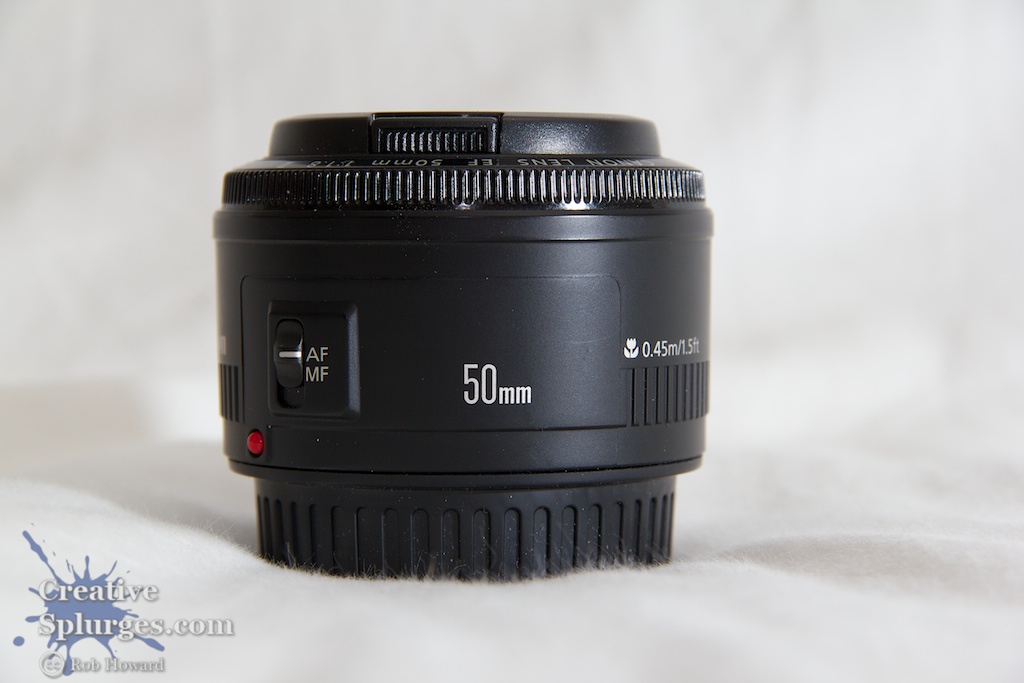
If you’re interested in expanding your DSLR photography beyond your kit lens, get this immediately. It has a big aperture and a fixed focal length, and so will let you get some great shots and teach you a fair amount about composing and considering your shots along the way.
This lens is currently on indefinite loan to my cousin who is also a keen amateur photographer.
Crumpler New Delhi

When I upgraded to the 60D, I also needed to upgrade to a bigger camera bag, my old Crumpler Pretty Boy not really being big enough for camera and all my lenses (I do still use the Pretty Boy, however, when travelling light, as it is the perfect size for the 60D and my two main lenses). After a bit of searching, and even one returned alternative, I finally settled on the Crumpler New Delhi. I decided against a ‘backpack’ type bag like a Lowepro in order to be able to quickly grab my camera without having to remove a backpack and find somewhere to set it down. The bag can get a bit heavy when fully loaded, but if you have a lot of gear to lug around, you need something big. It also has space for a 15″ laptop, but if you add that to all your camera kit and walk around for any length of time, it will redefine pain for you in a very real way.
My choice in this bag was justified only a few weeks later when, whilst in Bournemouth photographing the annual Air Festival, we got caught in torrential downpours that caused flash floods and washed bits of the town into the sea. When I say ‘caught in’, I do mean we were outside in the rain at one point, getting completely and totally soaked through. The Crumpler, however, proved to be completely resistant to mother nature. Even the event programme, which was in the bag but outside of the ‘inner’ bag that contains my kit, didn’t have a drop of water on it. Since then I now proudly describe the bag as “more waterproof than Bournemouth”.
iMac
Most of my editing from 2012-2022 was done on a 2015 27” 5K Retina iMac. The large high-resolution screen ass great for picking out little details when editing – when I blew up images to full resolution, they don’t actually get much bigger than the screen. When I bought it (technically I bought it in 2012, but that’s a long story involving it being replaced under warranty when it was 3 years old) I maxed out most of the specs, so it had 3TB of storage, something that took me 7 years to fill without deleting that many photos. It also had a 4GHz Intel i7 processor and 32GB of (third party) RAM.
In summer 2022, its hard drive failed, sending it to the graveyard as the repair was uneconomical. I then sat and waited a few months before replacing it with the 2023 14″ M2 Max MacBook Pro.
11” MacBook Air
For editing on-the-go – which usually means once a year when I go on holiday and expect to take more photos than I can comfortably fit on my SD cards – I used to use an 11” MacBook Air. It had 256GB of storage so I could comfortably shoot thousands of images without filling it up, and it had Thunderbolt to quickly and effortlessly transfer those many gigabytes of data over to my iMac when I got home.
I bought this laptop in 2012, and I got a decent 10 years of service out of it before it before ultimately replacing it with the MacBook Pro. Part of the reason for that was because it performed perfectly well, the other being the fact that Apple stopped making 11” laptops.
TriggerTrap
Although sadly out of business now, Triggertrap produced some very handy smartphone/SLR accessories that allowed you to trigger your DSLR or flashgun with various triggers from via your smartphone (such as noise, movement, time intervals etc). I have used it in the past for accurately timing long exposures, as well as using the noise trigger to snap some party poppers firing.
Unfortunately, with the company’s demise and the lack of headphone jack on the latest iPhones, I find myself using it less and less in favour of a more traditional cable release. In my mind the reason I keep an old iPhone 6 around is to use TriggerTrap, but ultimately I think it’s because I’m a bit of a hoarder.
Joby GorillaPod
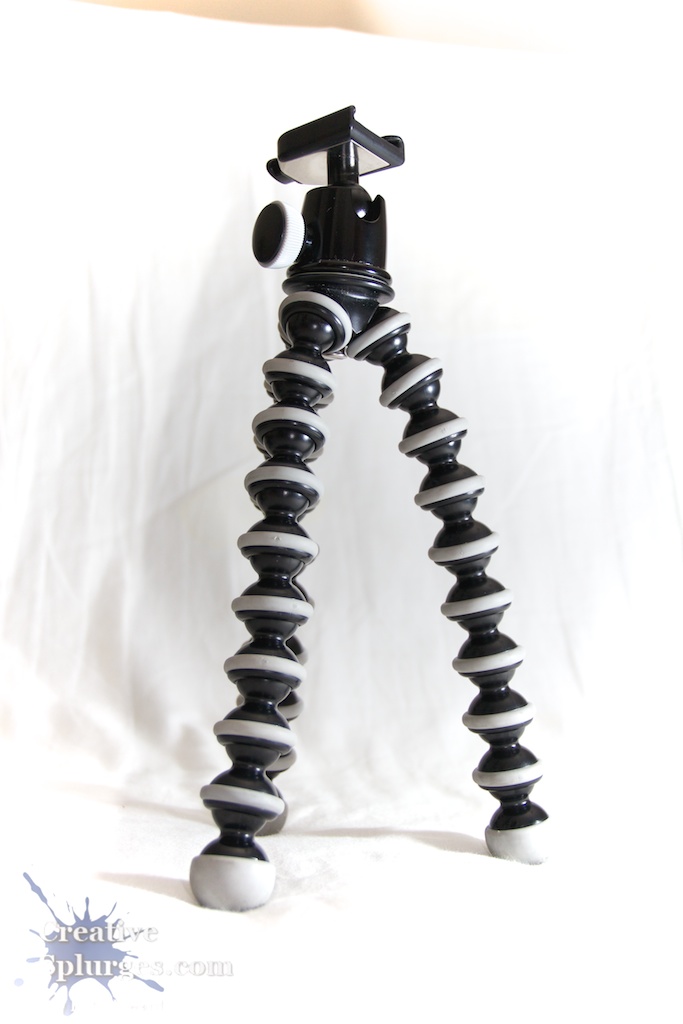
I loved this Gorillapod, but unfortunately I seem to have completely lost the camera connector and so it’s retired until it shows up. In its place, I tend to use a proper, traditionally-sized tripod with me nowadays, but only if I have some sort of expectation that I will be going to use it.
iPhones

Technically amongst my retired equipment is a litany of iPhones, as I tend to update them every year, chiefly for the camera upgrades on offer. At the time I started this site in 2011, I was using an iPhone 4, and since then I’ve owned and used the iPhones 5, 6, 7, X, XS, 11 Pro, 12 Pro, 13 Pro, 14 Pro, 15 Pro and 16 Pro and am currently using the 17 Pro.
Images of iPhone 16 Pro and iPad Pro from Apple. Image of RF 16mm f/2.8, 50mm f/0.95, Lowepro backpack and Crumpler New Delhi from Amazon. Images of RF 24-70 f/2.8, RF 85mm f/2, and RF 100-500mm from Canon. All other images are original content and released under the same CC BY-NC-ND 4.0 license as most of the other images on this site.
 Creative Splurges
Yay another Canon. Nice to see.
LikeLike
I do see quite a lot of Canons when I’m out and about. They make nice cameras!
LikeLike
Nice list of kit there. U’ve given me some ideas. Nice blog by the way 🙂
LikeLike
Cheers, thanks for following!
LikeLike
Impressive kit!!
LikeLike
Thank you, it is my pride and joy (even when some of my non-photography friend mock the size of the bag it all comes in…).
LikeLike
I can understand. Well you have reason to be proud 🙂
LikeLike
Hi, Rob. Thanks for putting up this useful page! 🙂
I am planning to invest in a DSLR but have not been able to pick one and I am secretly looking at Canon 60D as well! Haha 😀
Any suggestion for a first DSLR perhaps?
LikeLike
The 60D isn’t going to be terrible as a first DSLR, as it has the same auto modes as any of its lower-end siblings in the Canon DSLR range. It won’t really be worth it, however, if you’re not intending to expand beyond the simple capabilities, when the 1100D or 600D will do the same for cheaper. That said, if you are planning on expanding and learning all of the intricacies of digital photography, buying the 600D only to outgrow it in a year’s time is going to be a waste of money if you then end up wanting the extra features in the 60D.
Ultimately it comes down to your budget and your expectations. The best thing I can suggest is getting out to your local camera shop and actually playing with some DSLRs and seeing what feels right.
LikeLike
A good thought on that. Thank you so much for the advice, Rob! 🙂 I guess it’s really time for me to get down to the store itself.
LikeLike
I always planned to do this type of blog myself but have yet to get around to it. Really glad to have caught back up with your work. In many ways, blogging is so unique we dip in and out as individuals – my constant has always been IG with my blog as a record. It was interesting that your train posts on IG reconnected us here. Social media is an absorbing medium – we started on both platforms around the same time and are still going. I think the one thing I have learned is just to shoot what you like and post what you like, not what gets you likes 🙂 Wise words, apparently.
LikeLike
Thanks Scott. It’s been good to catch up. I usually still see and enjoy your blog posts come in, even if I have been quite remiss in responding to them. It’s only recently for me that I’ve taken to IG as a place to share my photos more seriously – this site has always been my primary place for sharing. In many ways that’s a bit of an old fashioned outlook; it’s how things were when we started out many years ago, but that’s not how you get things out there so much these days. But like you very rightly said – shoot and post what you like!
LikeLike