
Although ostensibly this website is all about me learning the craft of photography, backed up my me posting some of my creative process and useful information like the EXIF data, in reality most of the posts involve me wandering into situations, figuring it out as I go along, and then all too often never actually returning to try again with the hindsight of having edited the pictures I took. Occasionally I have forward planning and recurring themes, most commonly on my repeated trips to the Bluebell Railway, but it’s not that frequent (although it is something I think I’m doing more often).
This post is one of those rare occasions too, where I have returned to somewhere I’ve been before a couple of years previously, with new, improved equipment, a different perspective on editing, and an understanding of the challenges I faced the first time. I first visited Drusillas Park back in 2022, when I was equipped with my Canon 60D and still getting back into the habit of regular photography. I returned three years later, this time equipped with the R6 Mark II and its significantly better performance in low light and at autofocussing, a faster lens, and the knowledge of the photographs I took the first time.
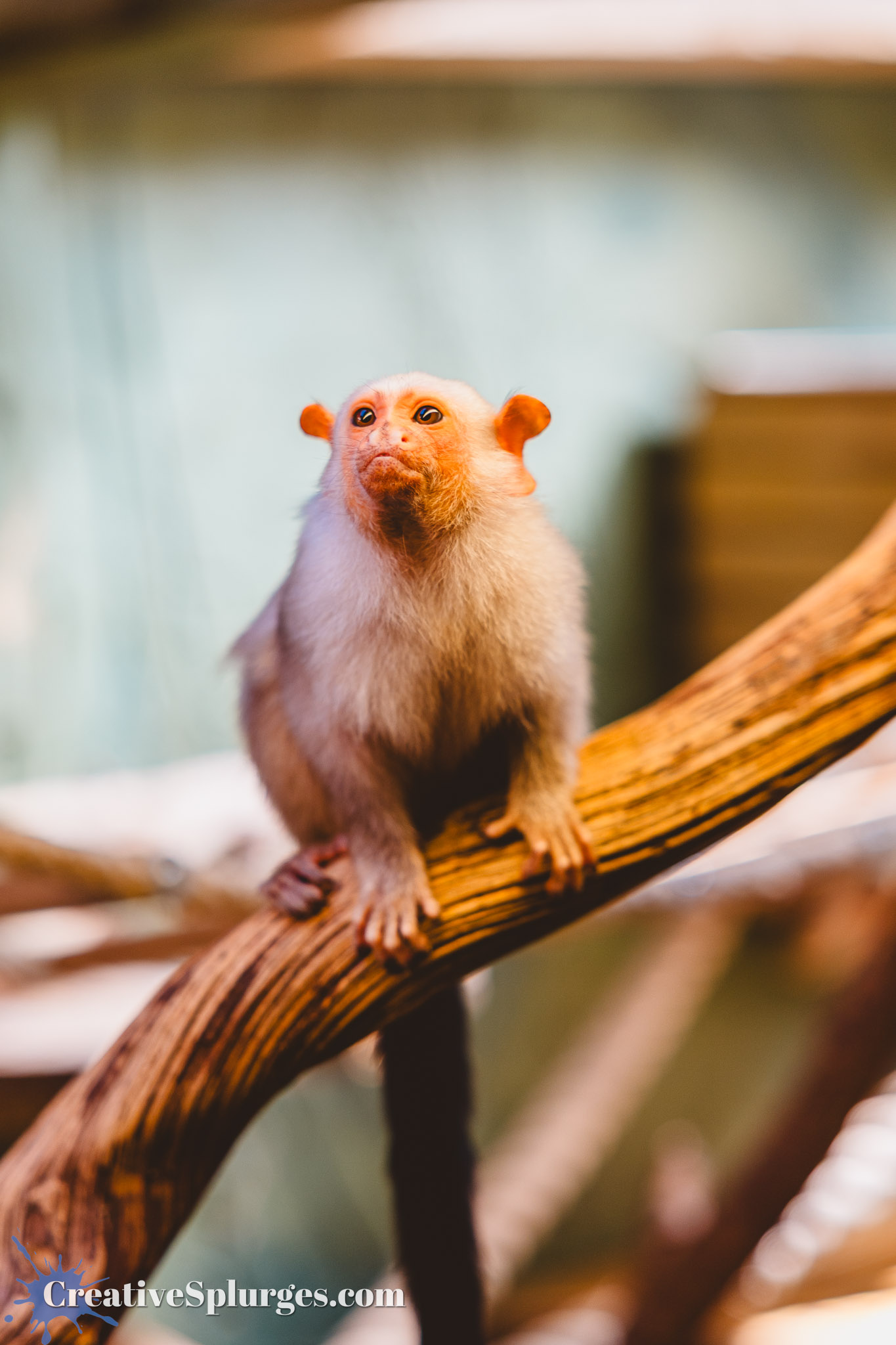
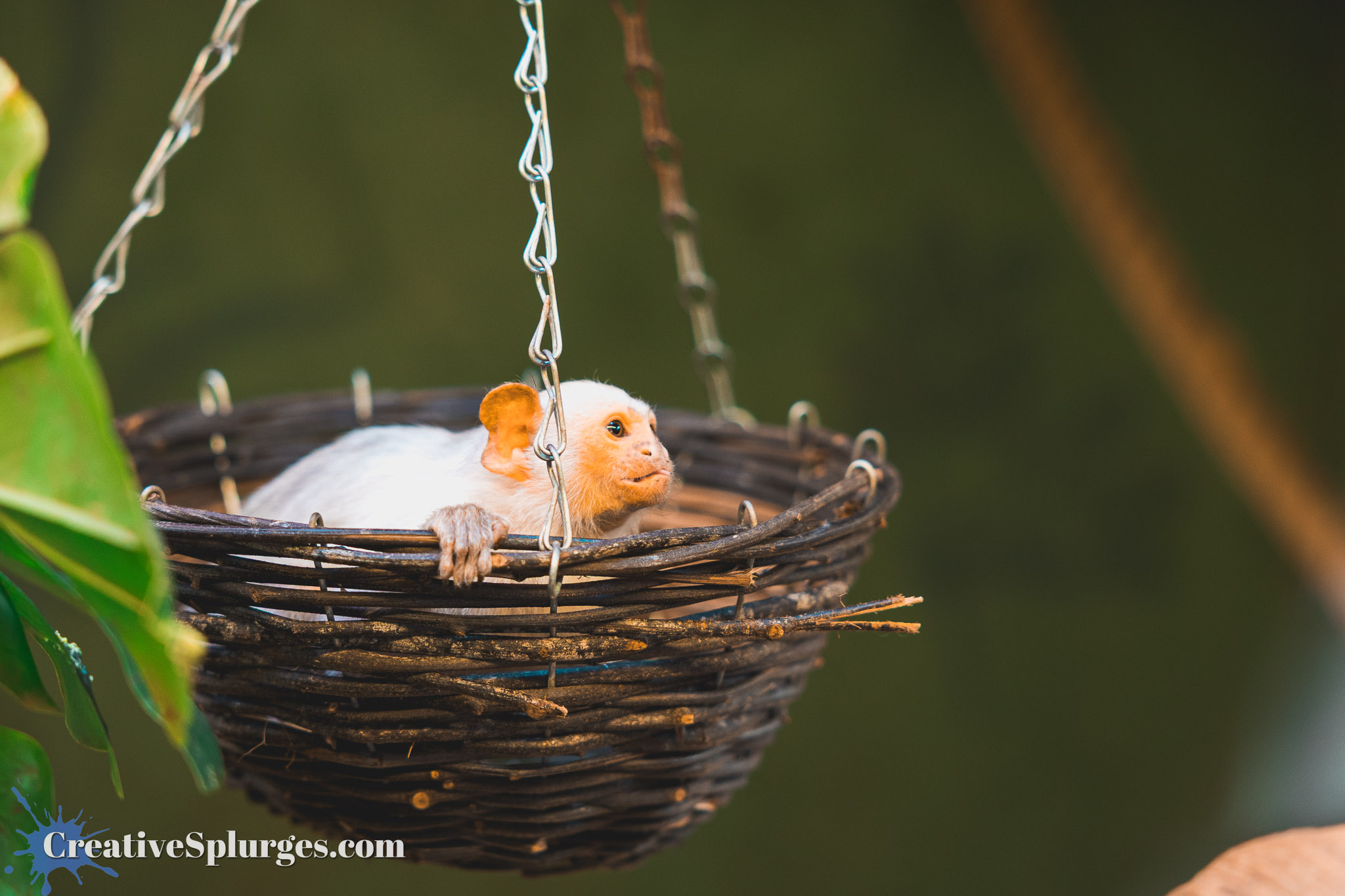
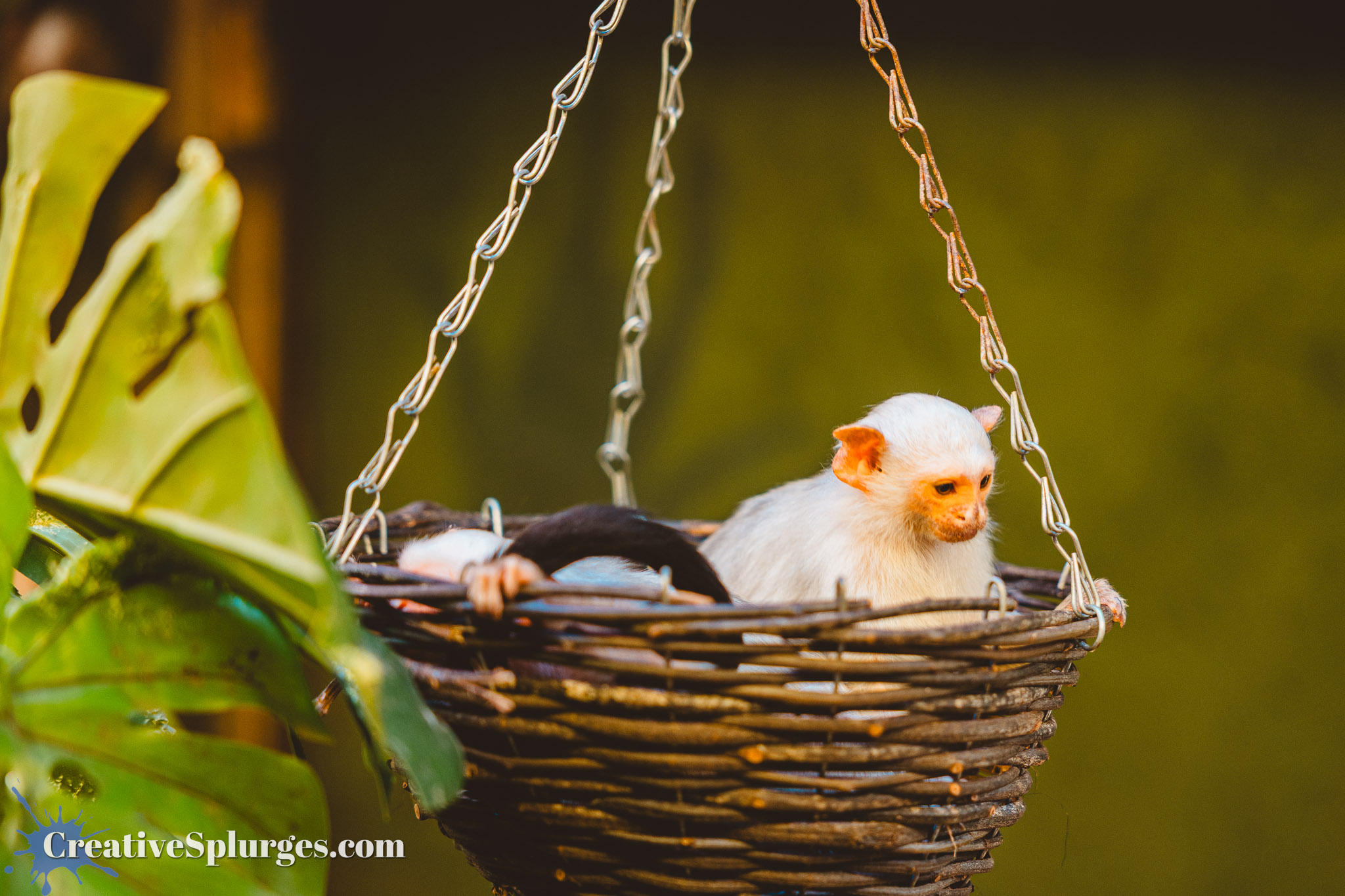
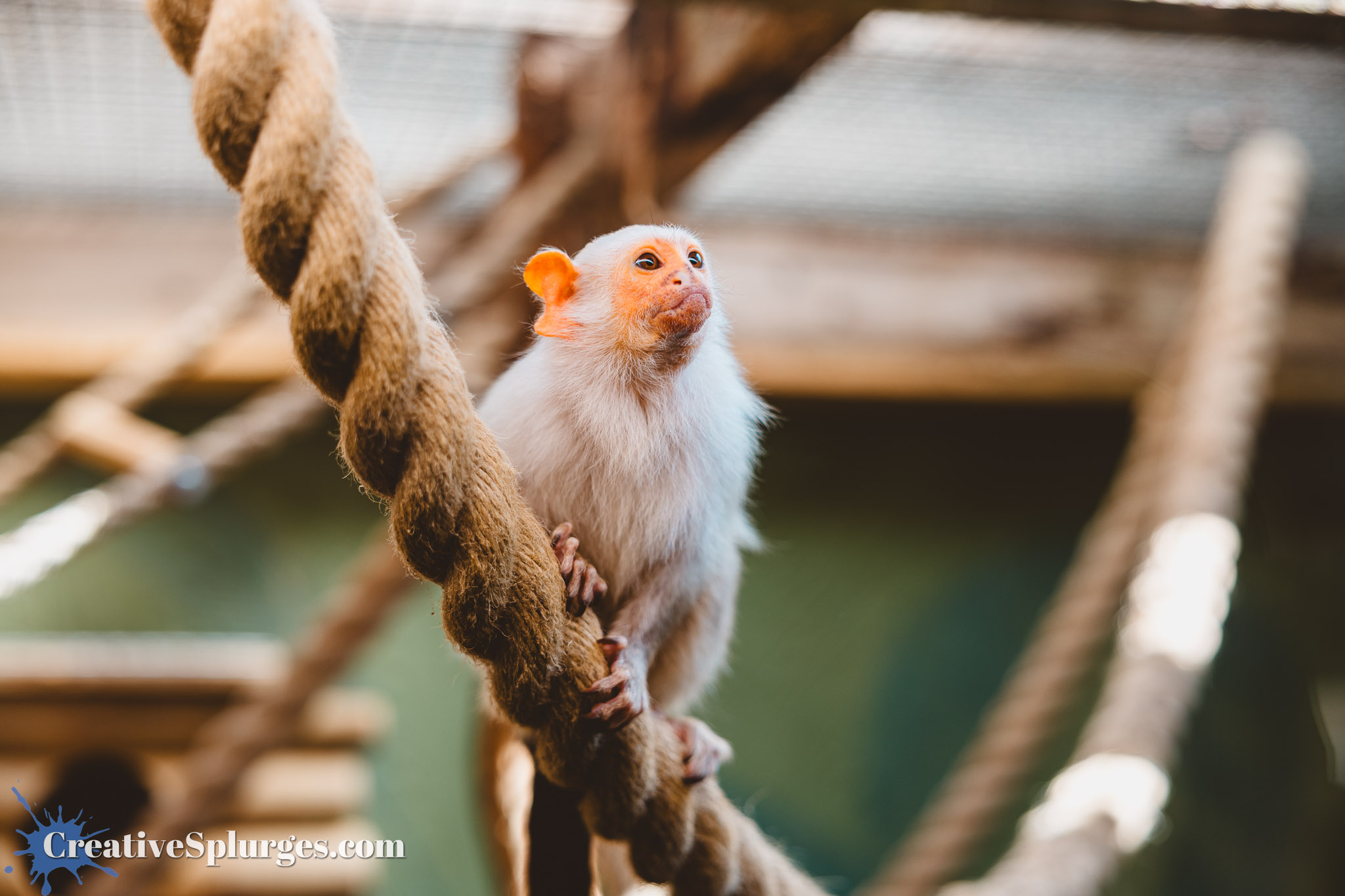
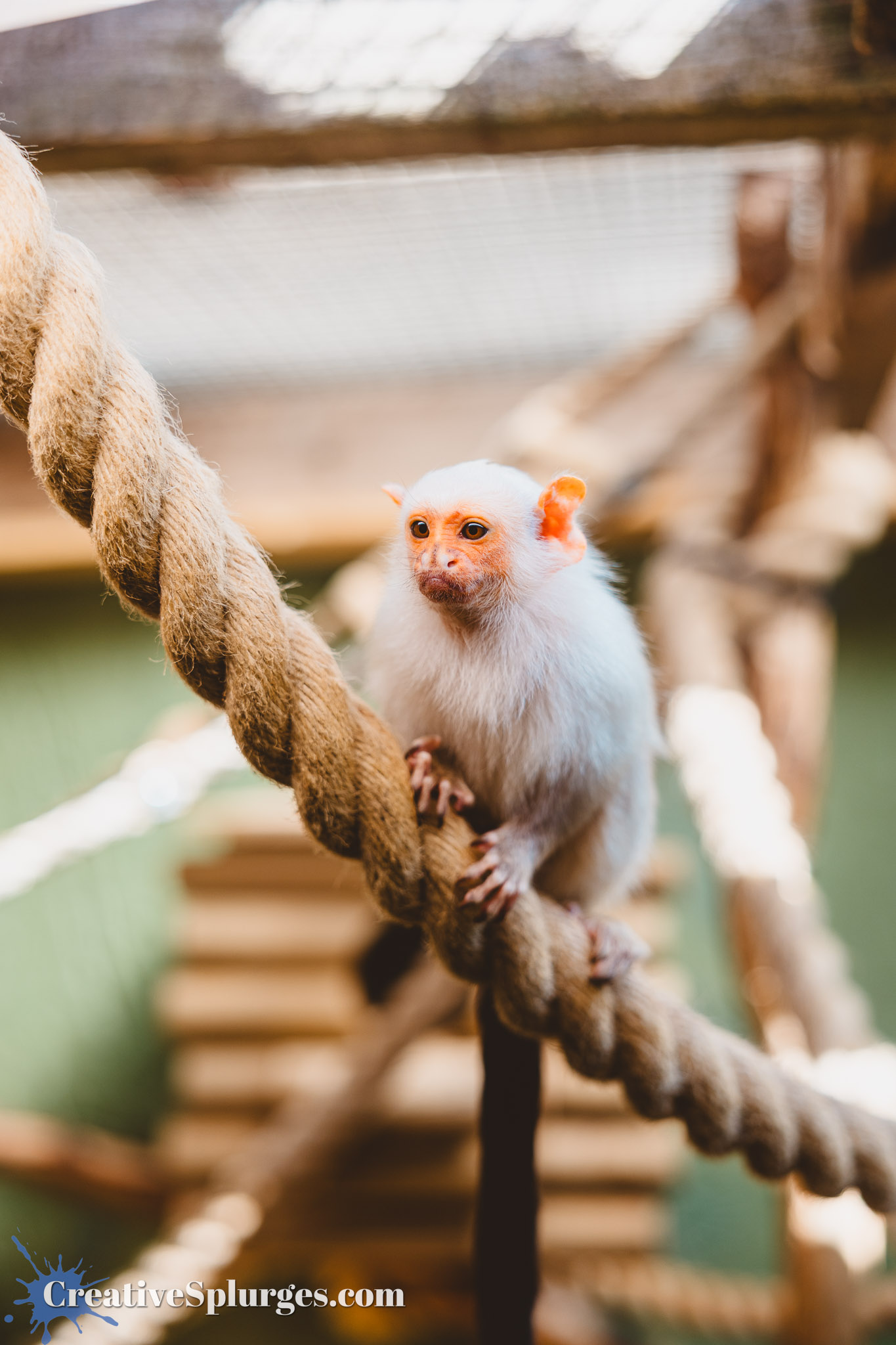
Now normally I prefix my nature posts with an apology about my inability (and frankly at this point, outright refusal) to identify any species. This time, however, I had the wherewithal to photograph at least some of the signs, so I can tell you what these creatures are. This first batch of critters are silvery marmosets. And for all my talk just now about low light performance, the first one I found was sitting in a shaft of sunlight.

Being a weekend during a school holiday the place was very busy, but despite the marmosets being in a relatively narrow bit of the park near the entrance I was still able to get some decent shots of them.
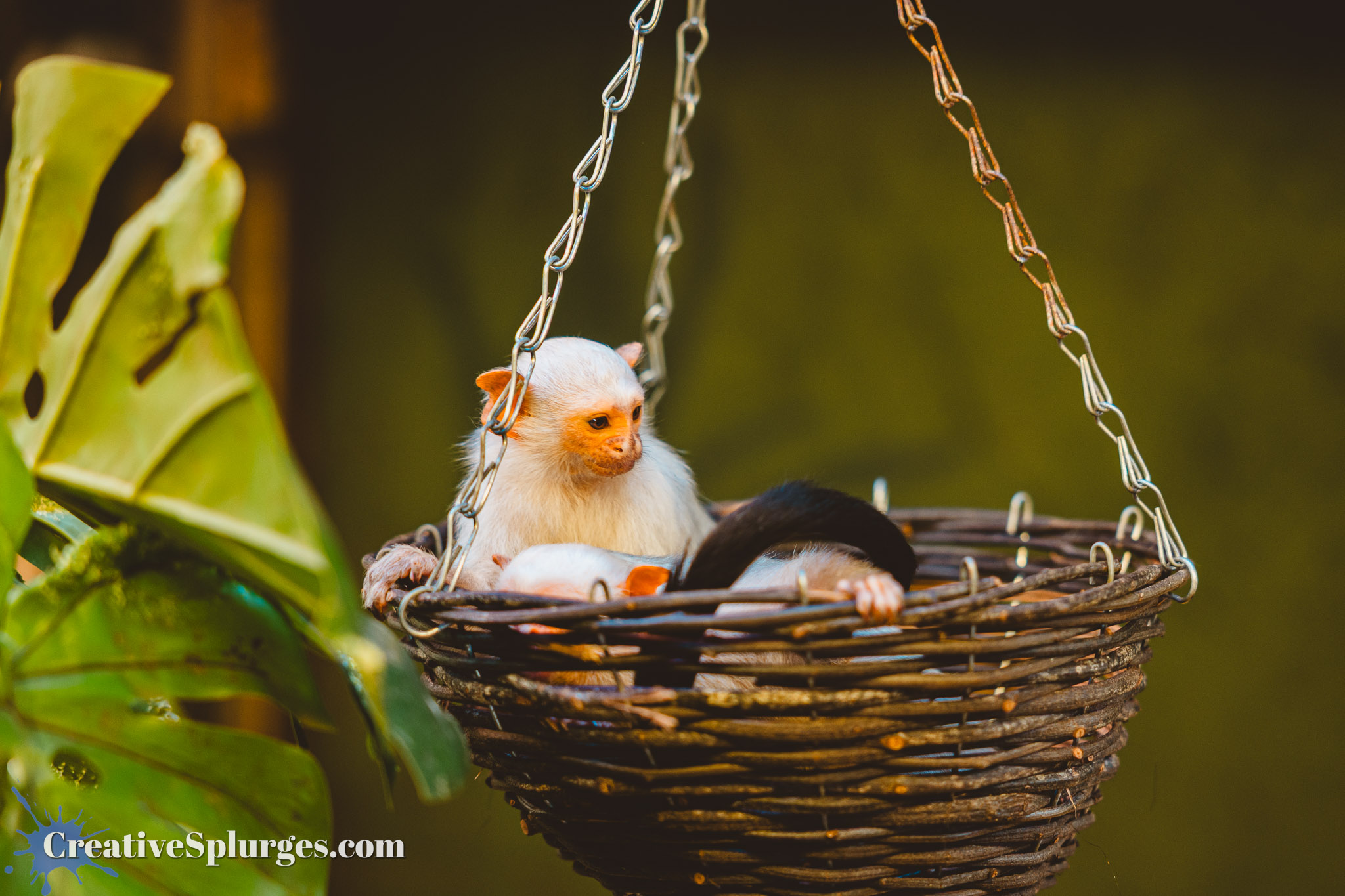
In their enclosure they had a basket a lie in, and a few took the time to stay still long enough for me to capture it.
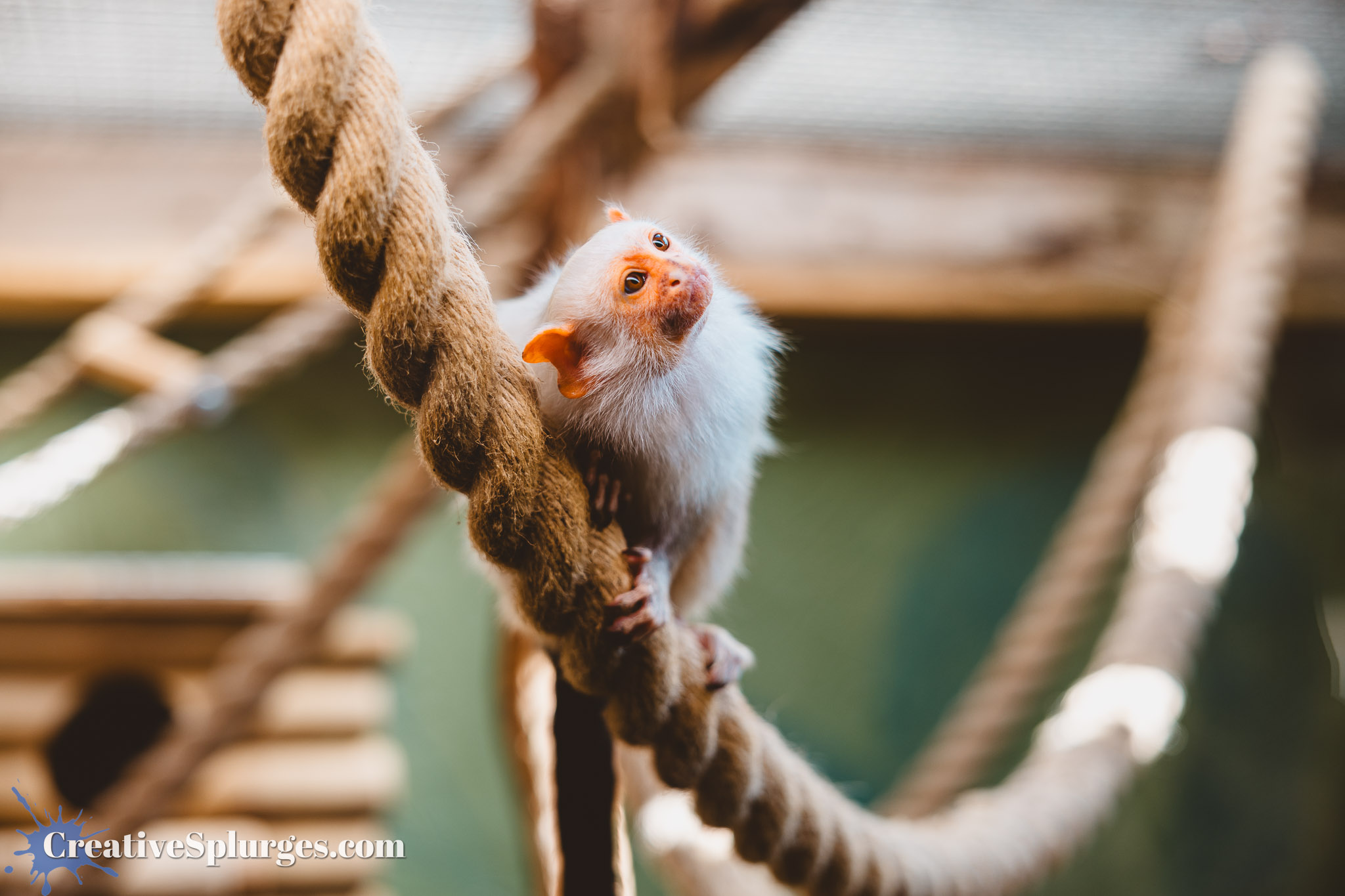
They also had a nice chunky bit of rope to run and sit on which gave opportunity for a few interesting poses.
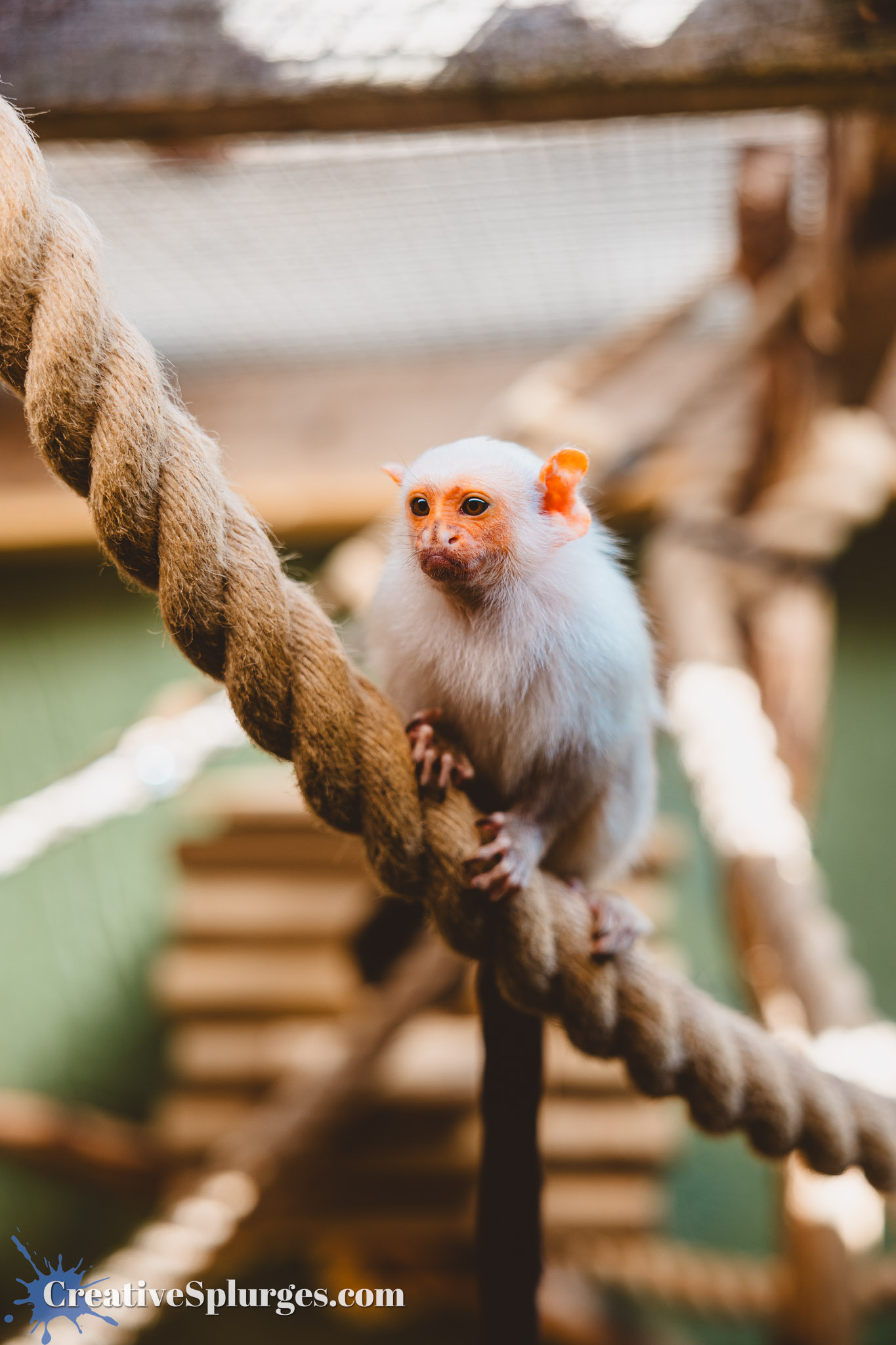
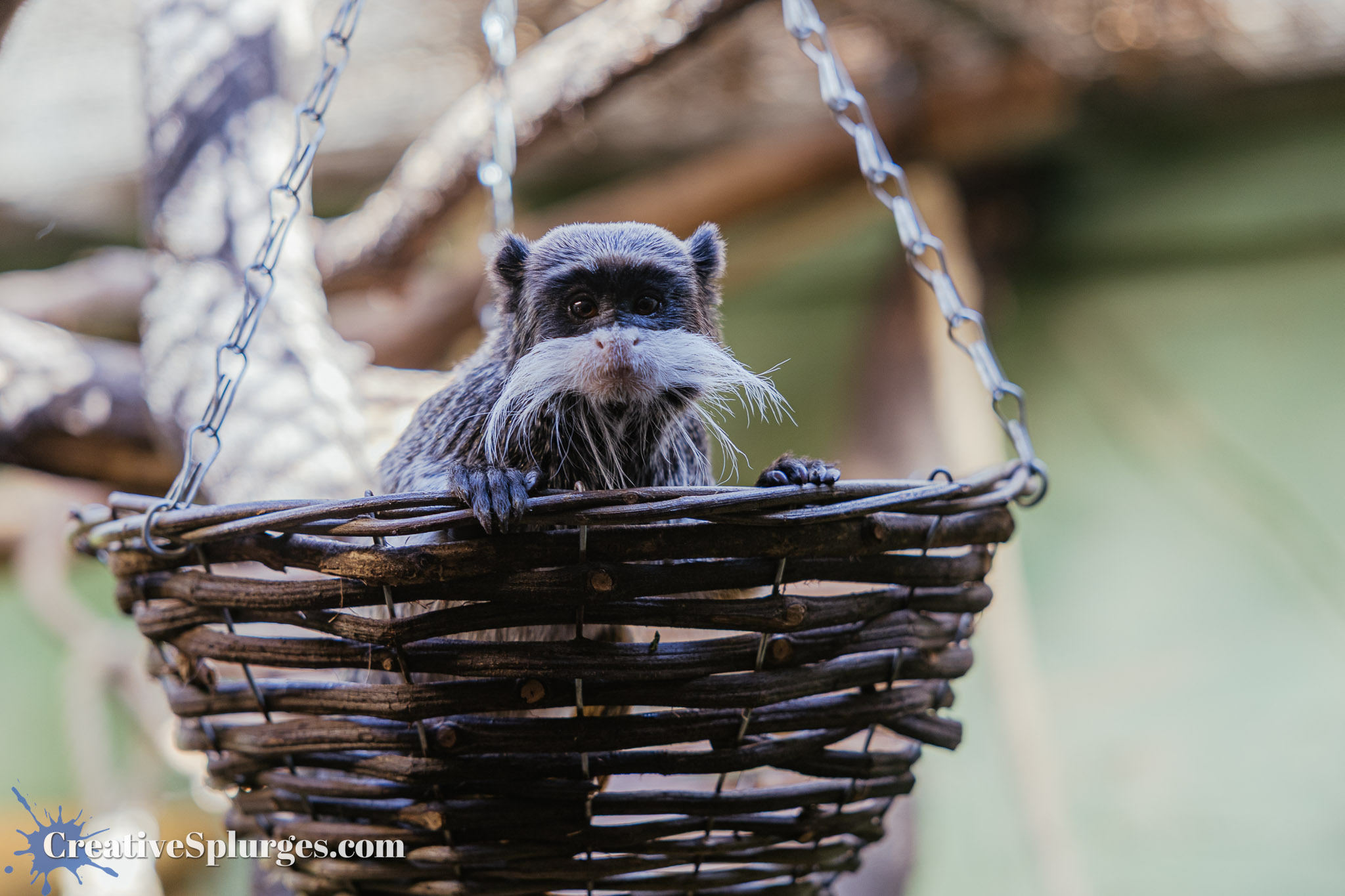
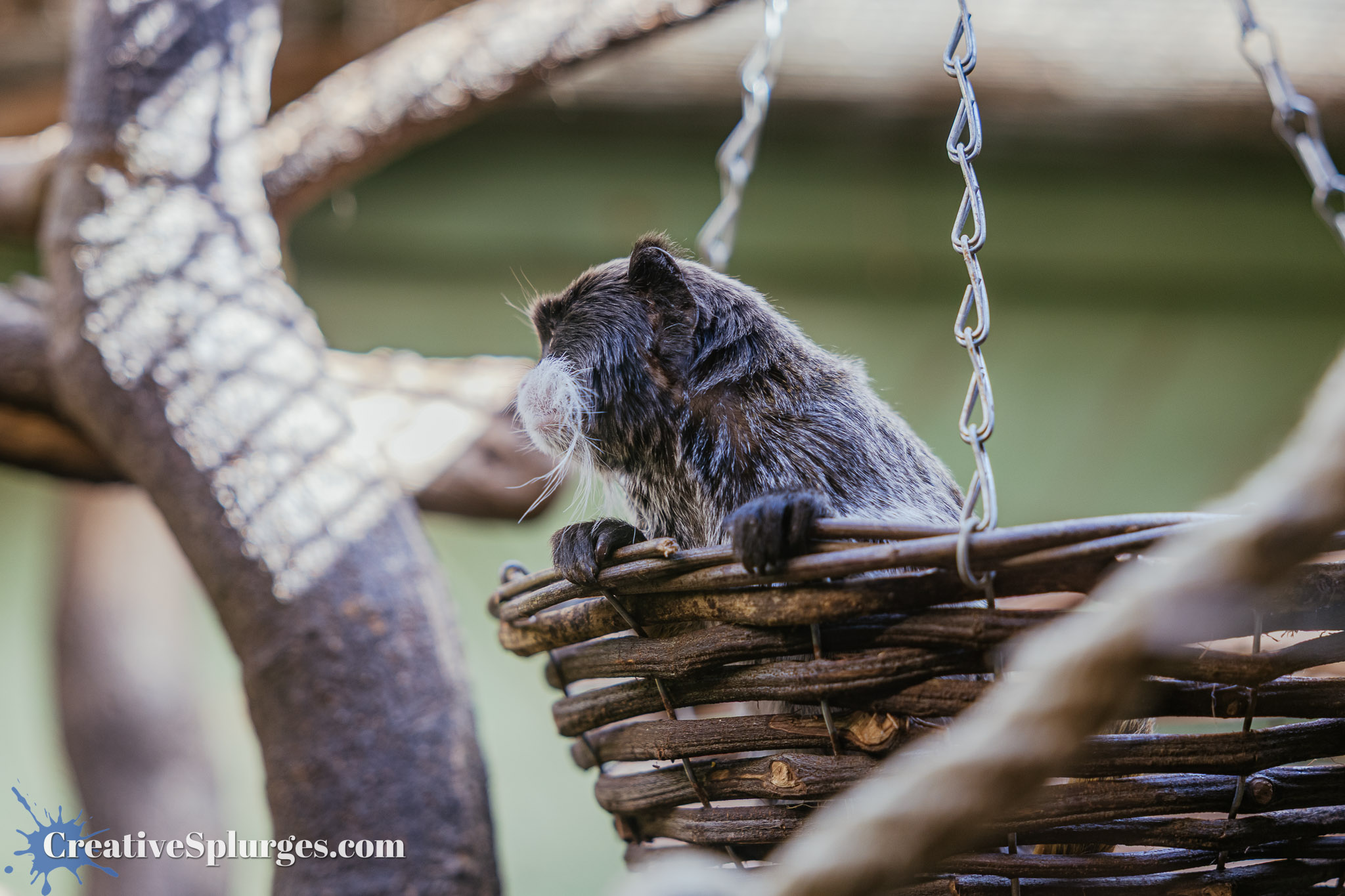
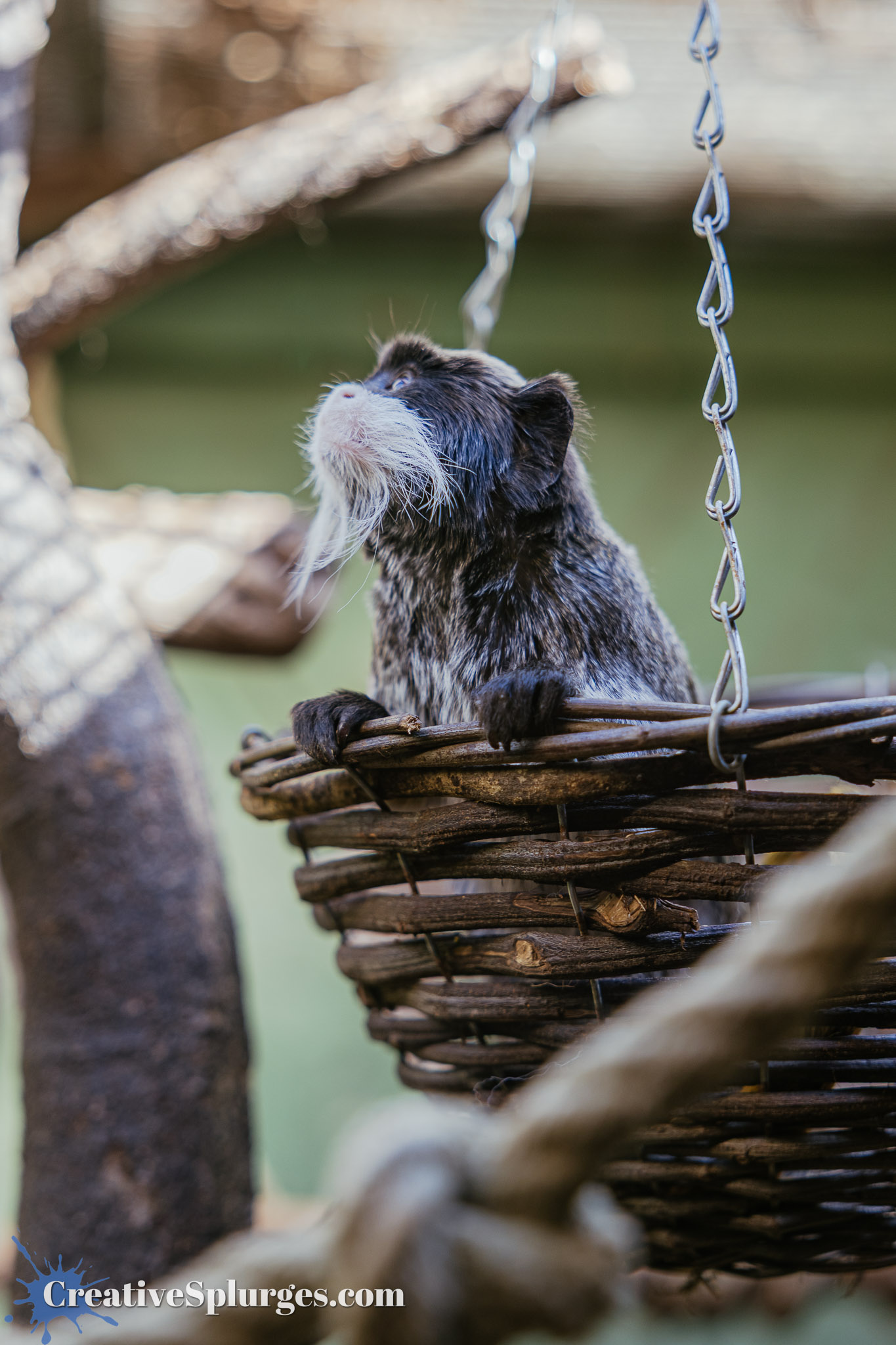
In a nearby enclosure were some emperor tamarins. They also had a basket to sit in and watch the people go by.
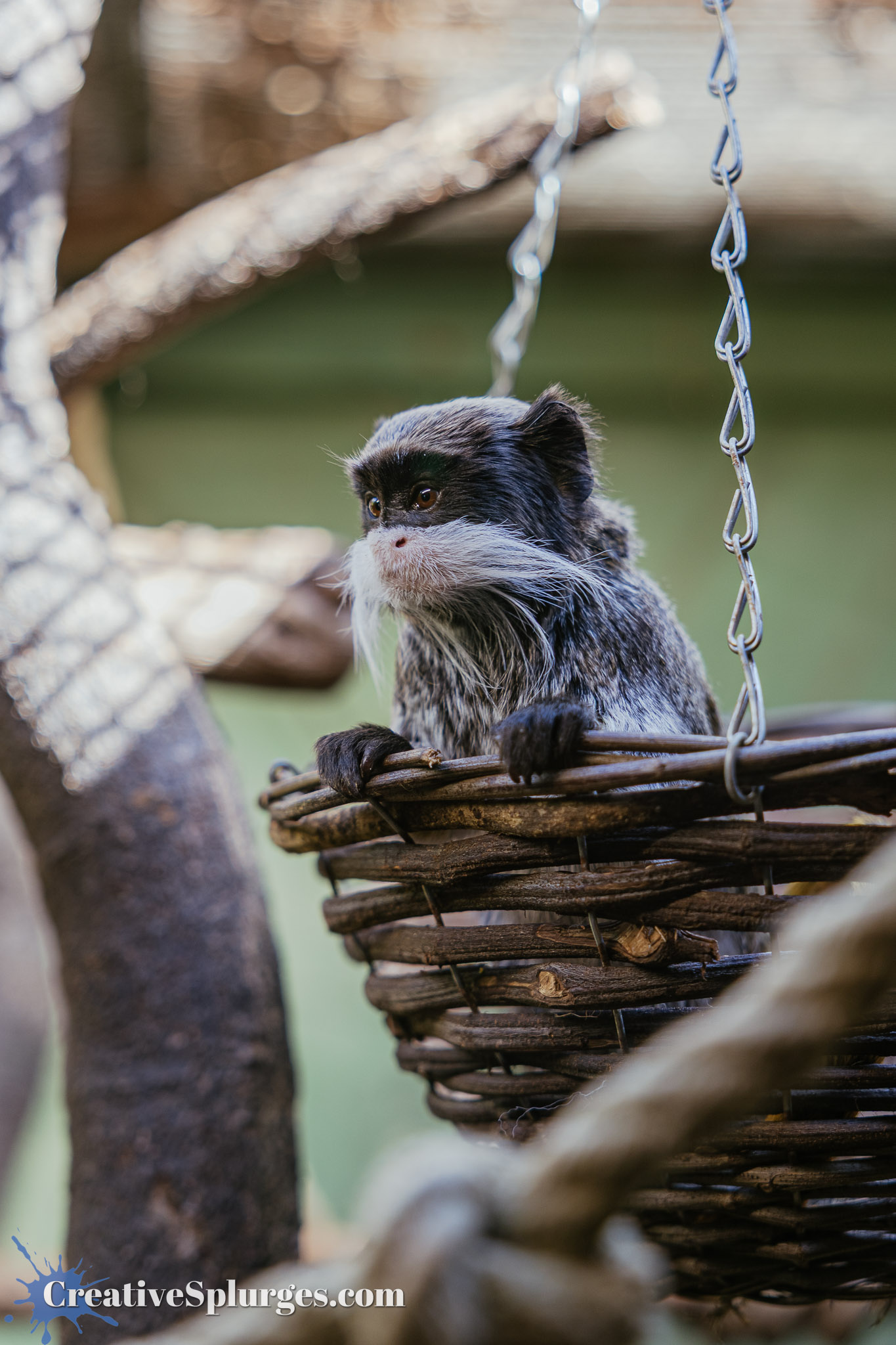
And clearly, a bit of a suspicion of photographers.
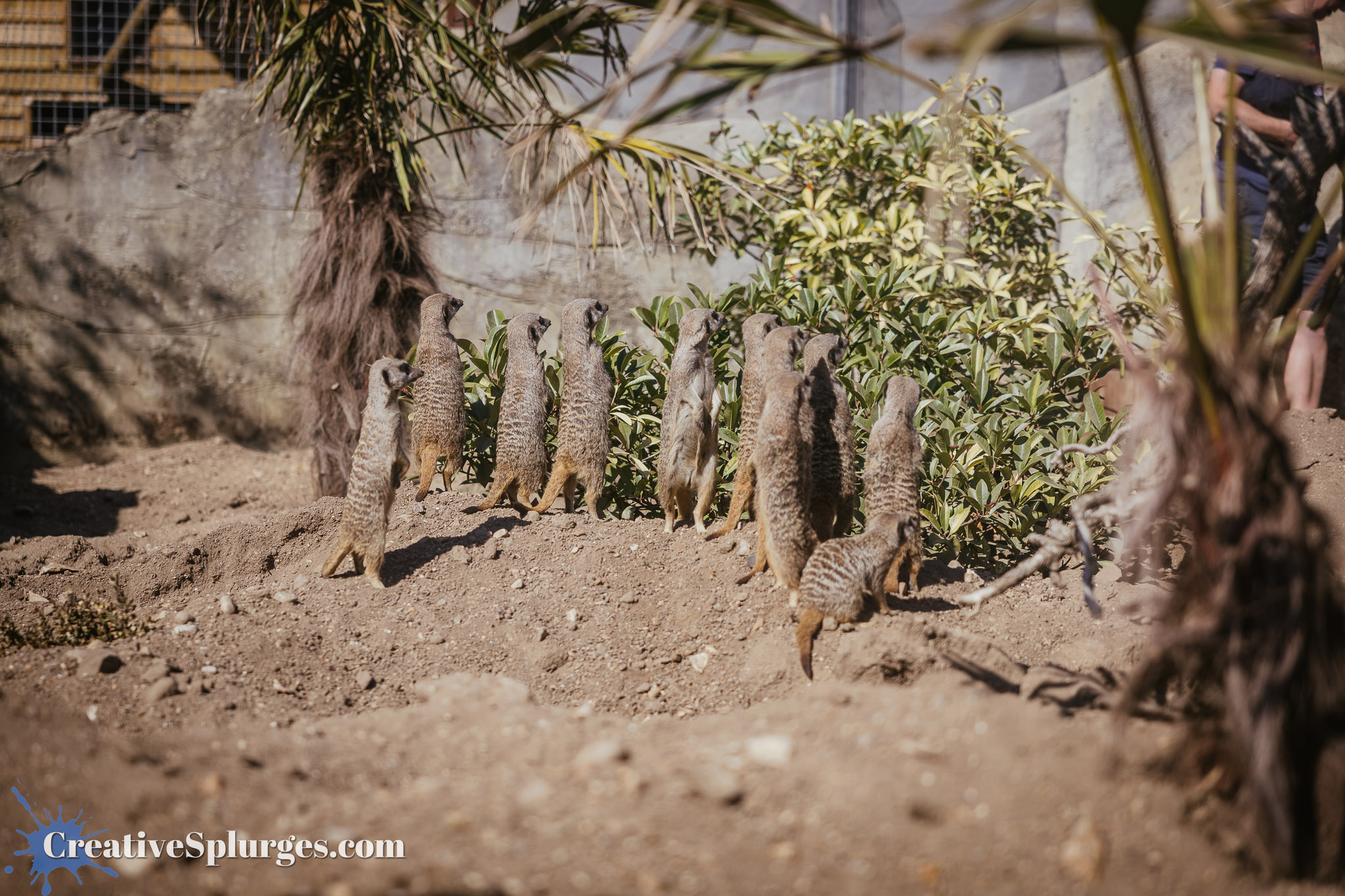
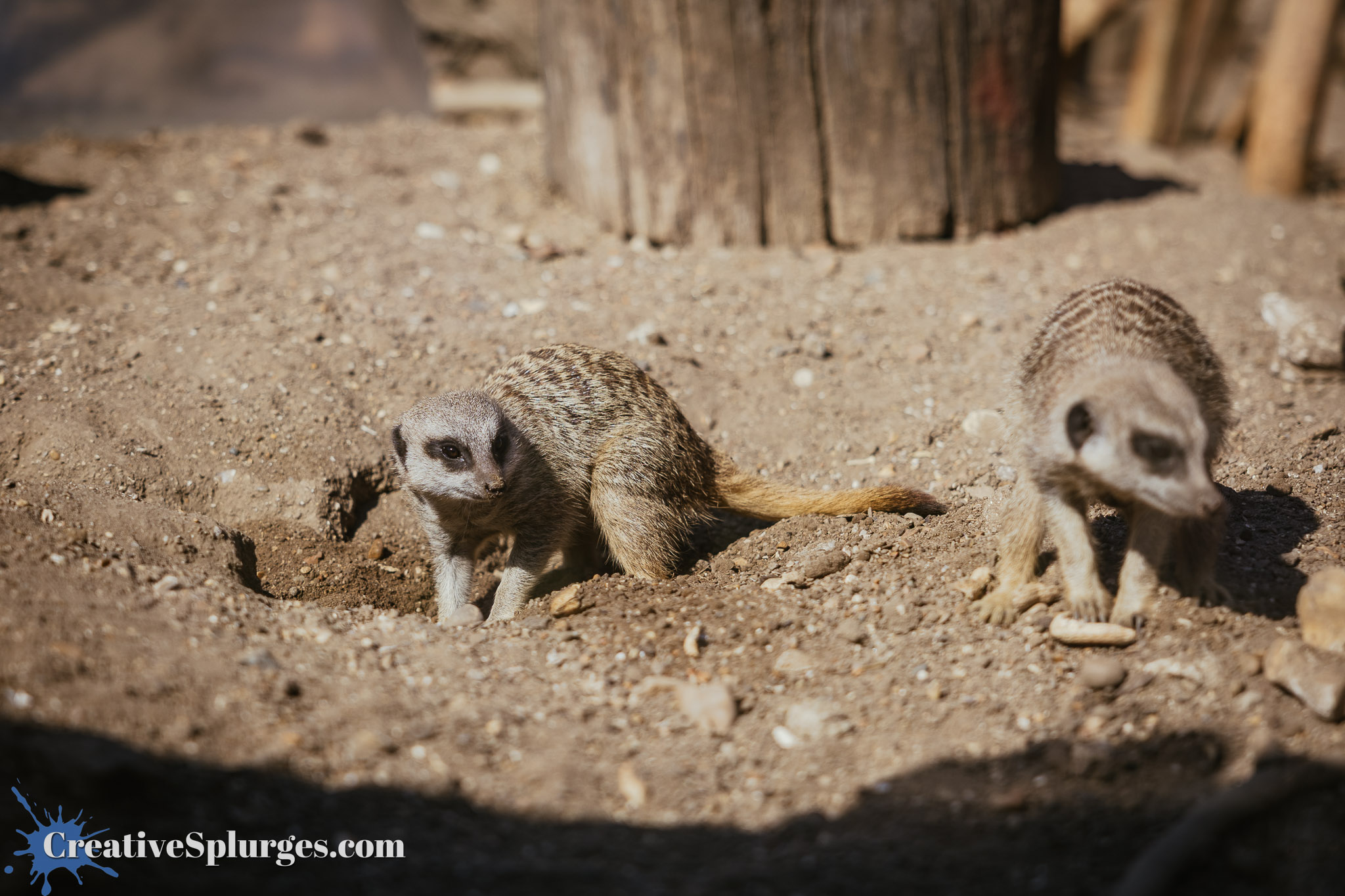
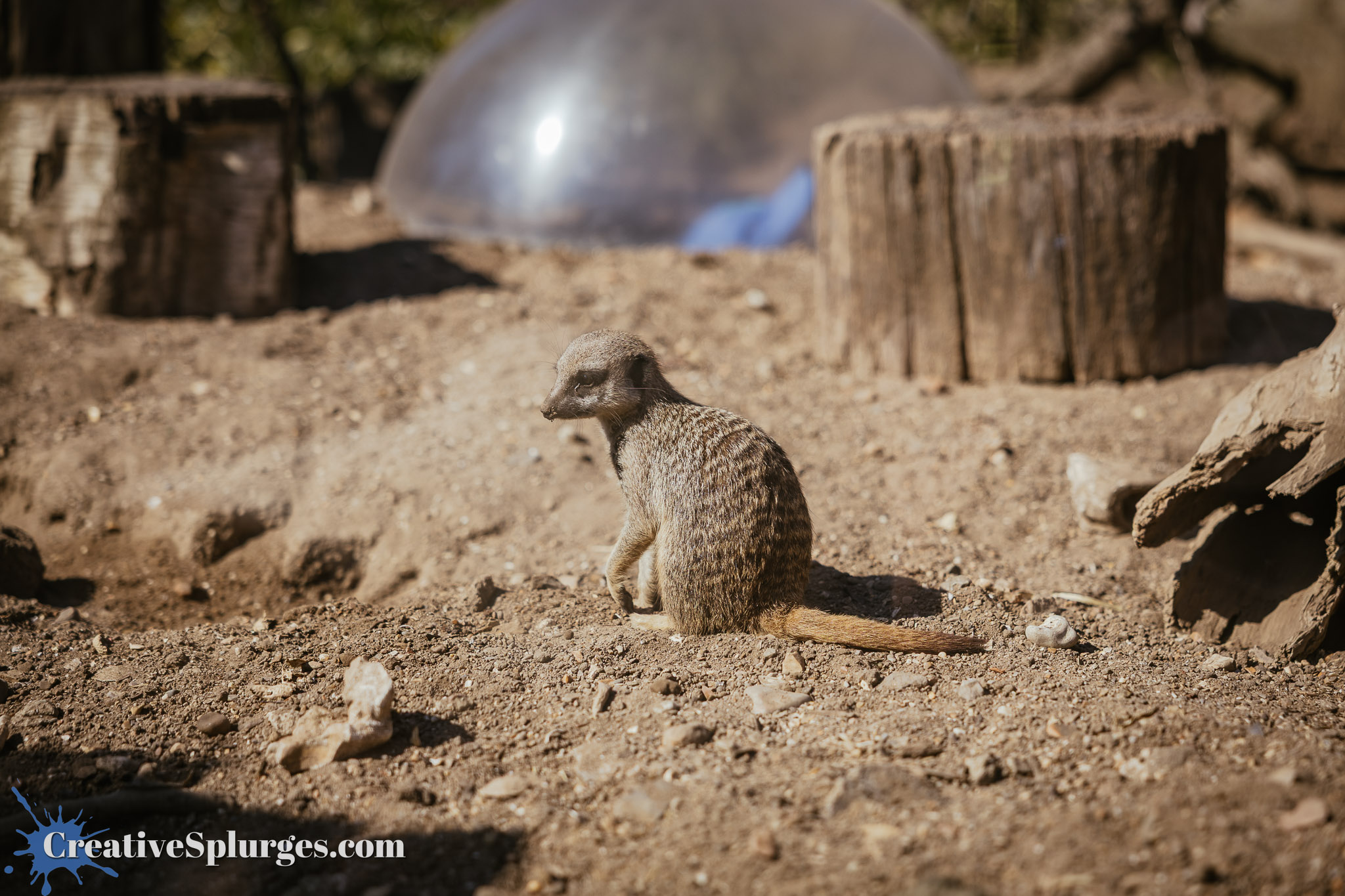
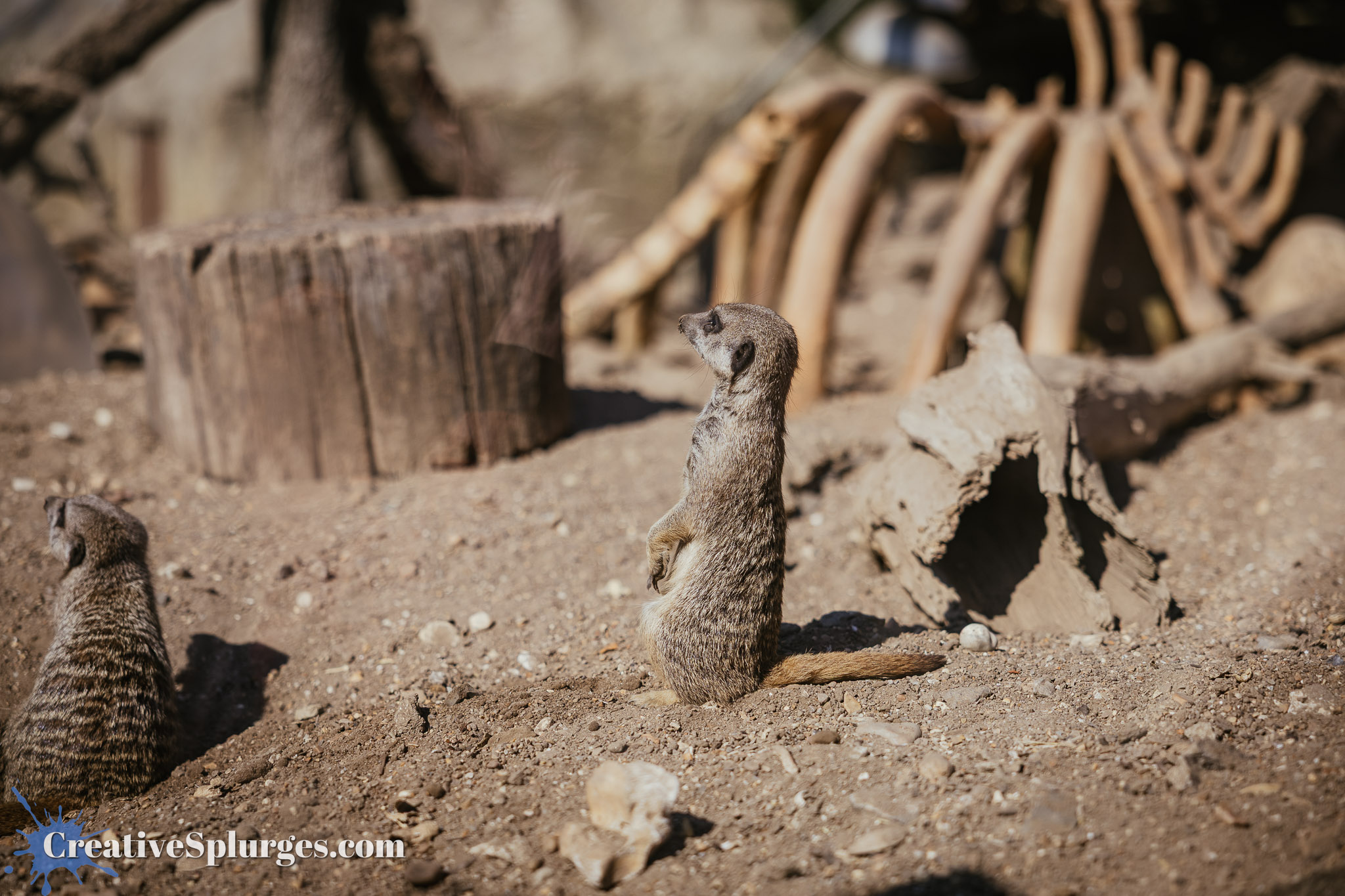
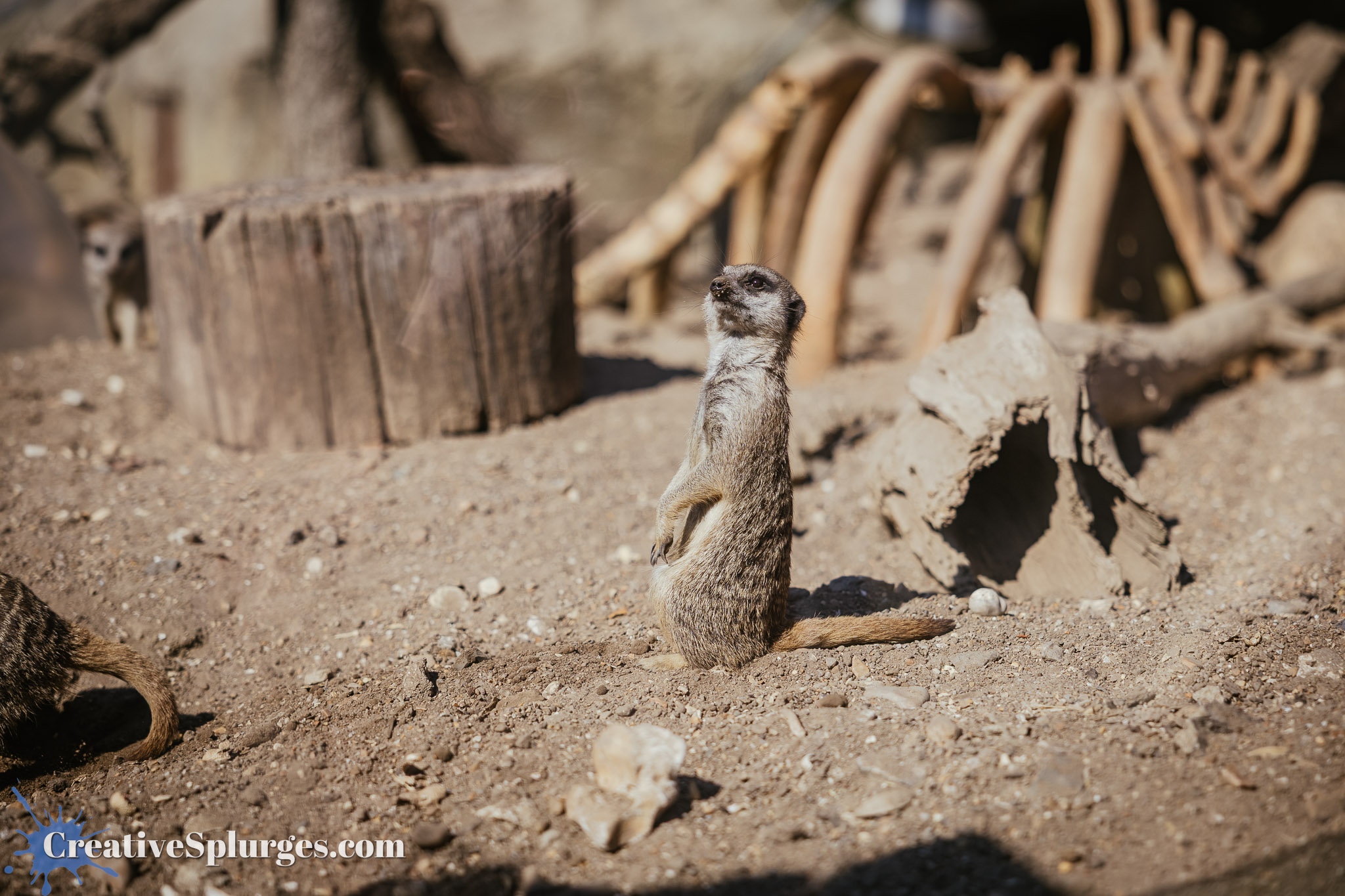
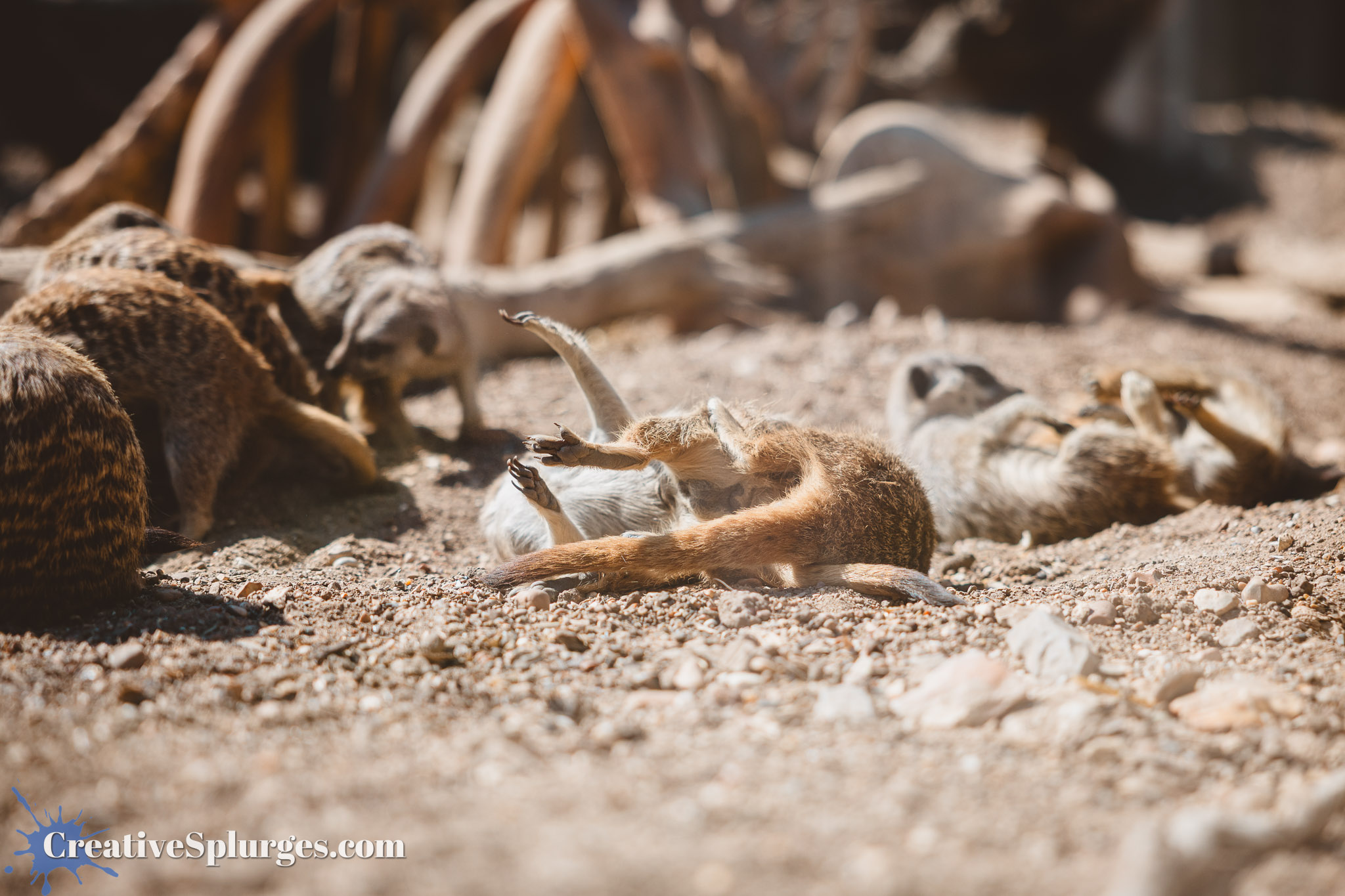
We moved on to the meerkats, which even I didn’t need to take a photograph of the sign for. They were being their usual curious selves, helped out by someone cleaning their enclosure and feeding them.
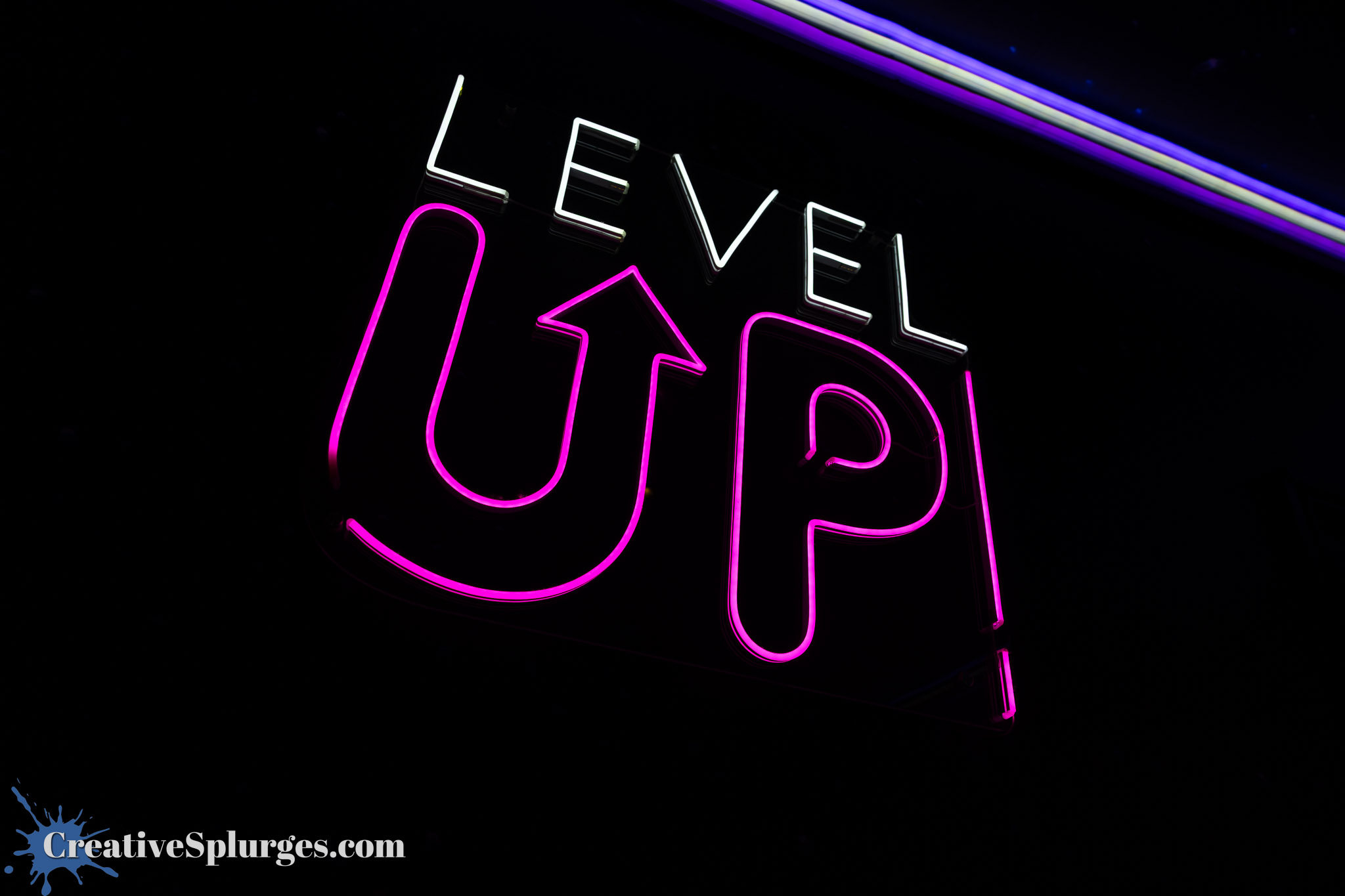
Being a theme park it wasn’t long before we moved away from the animals and into the arcade. There, whilst I waited for my child to play a game, I took some shots of the neon signs with my lovely analogue 50mm f/0.95 lens.


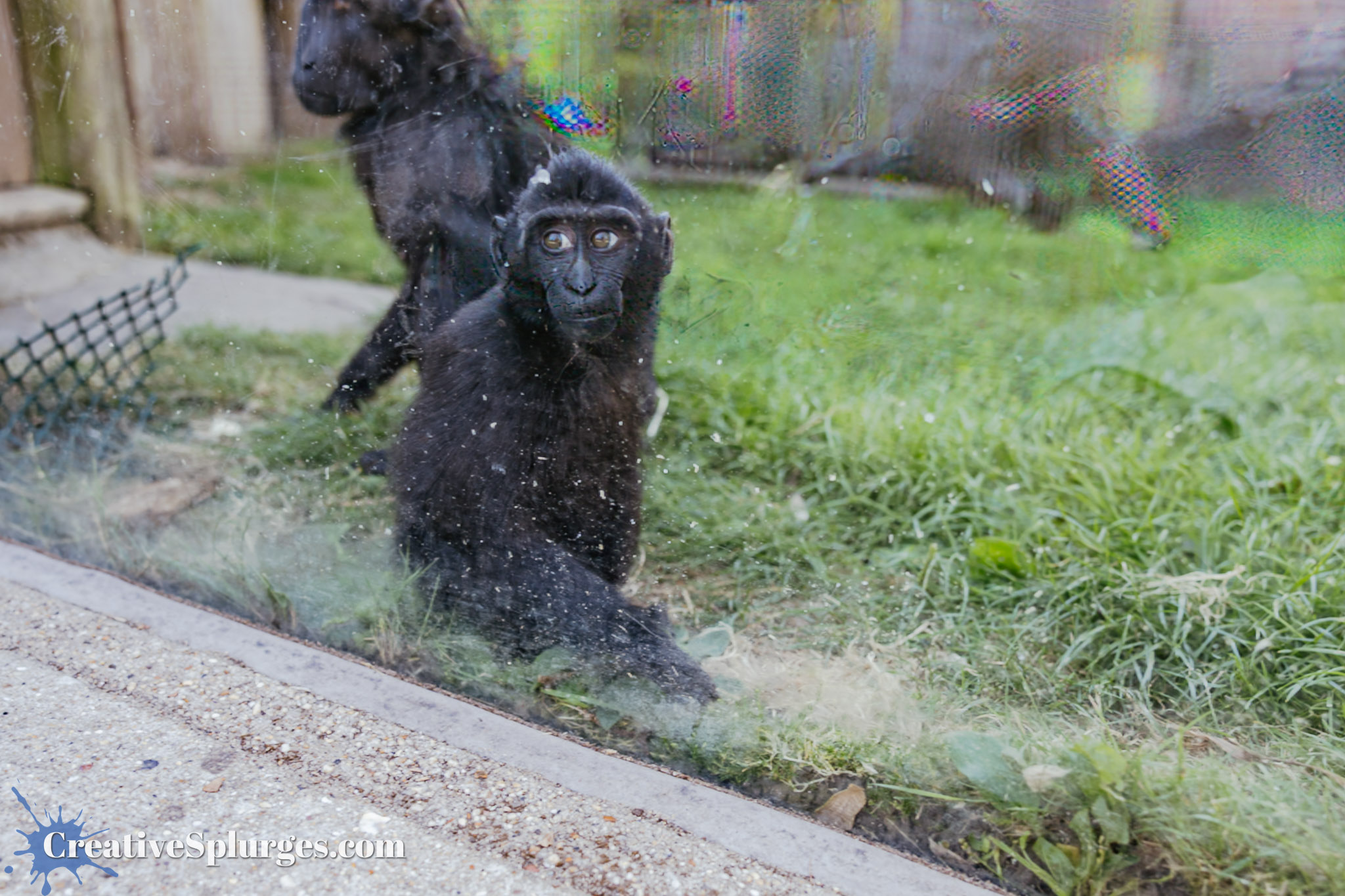
After a bit more playing on rides and other fun things, we went back to look at more animals. We saw one of these macaques last time, but this time one of them had a baby.
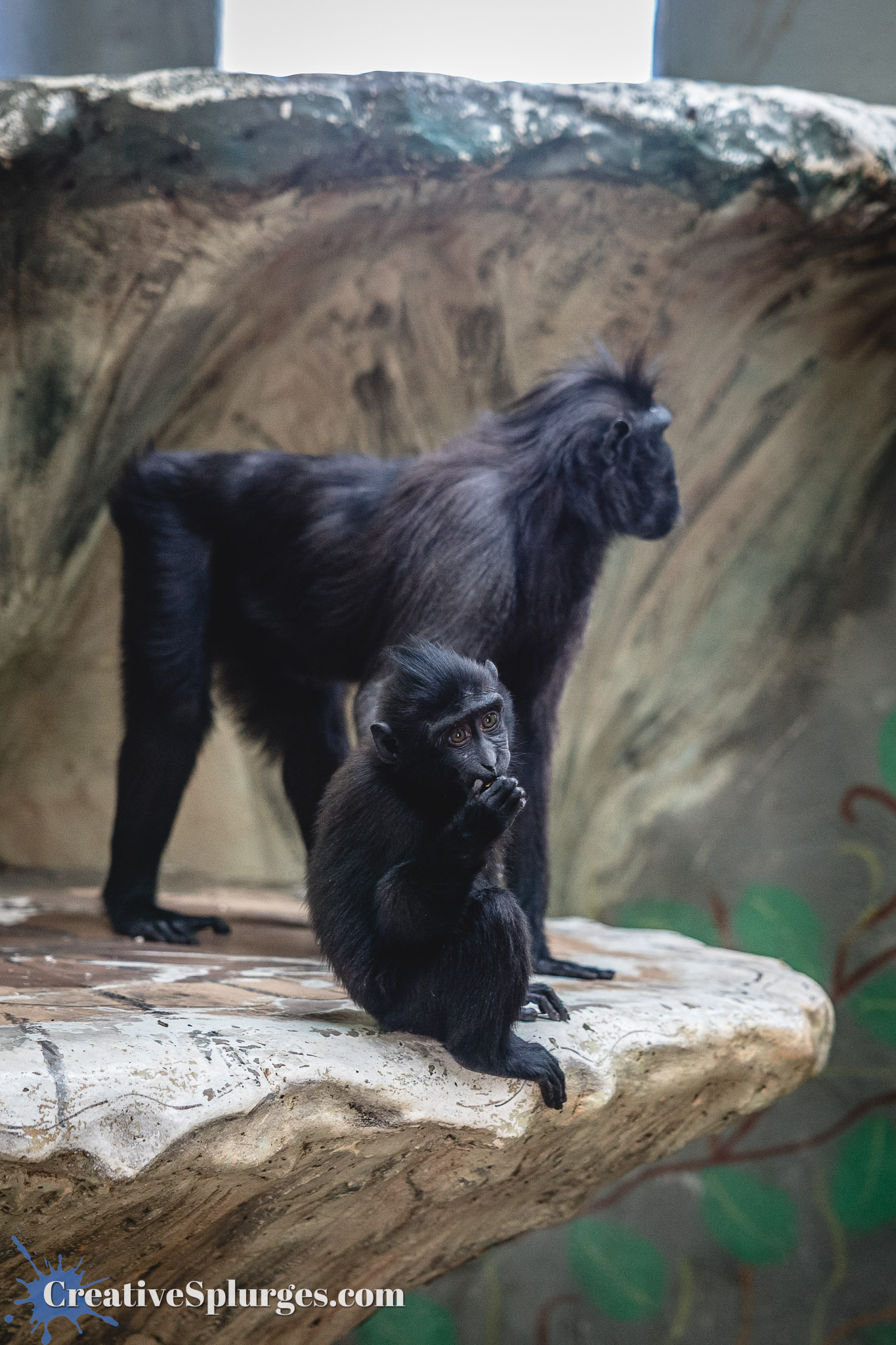
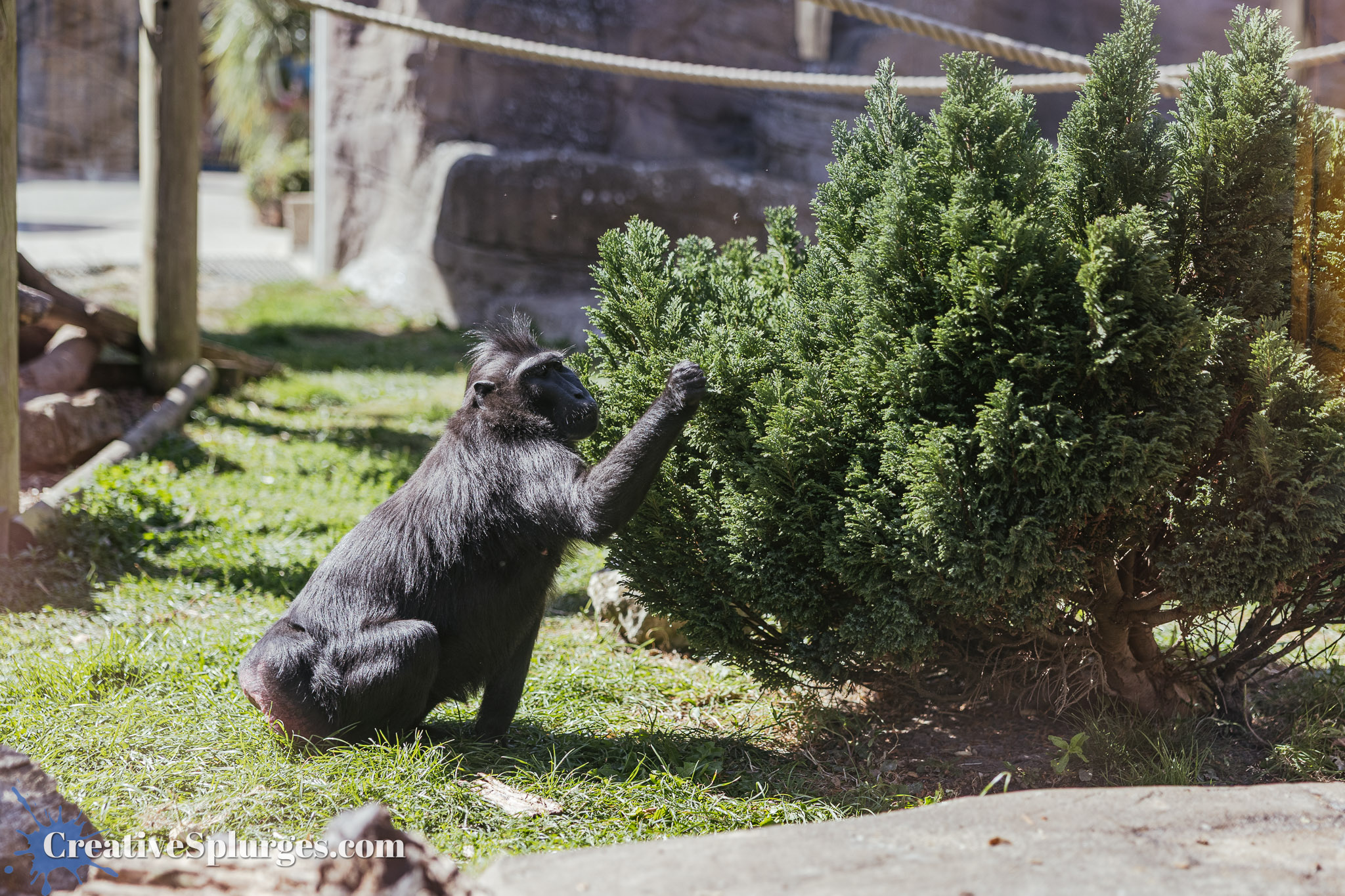
The mother was clearly a bit protective of her little one, which, like many younglings, just wanted to run off and explore, so I didn’t get many good shots of it. I managed to get a few of some of the other s in the same pen.
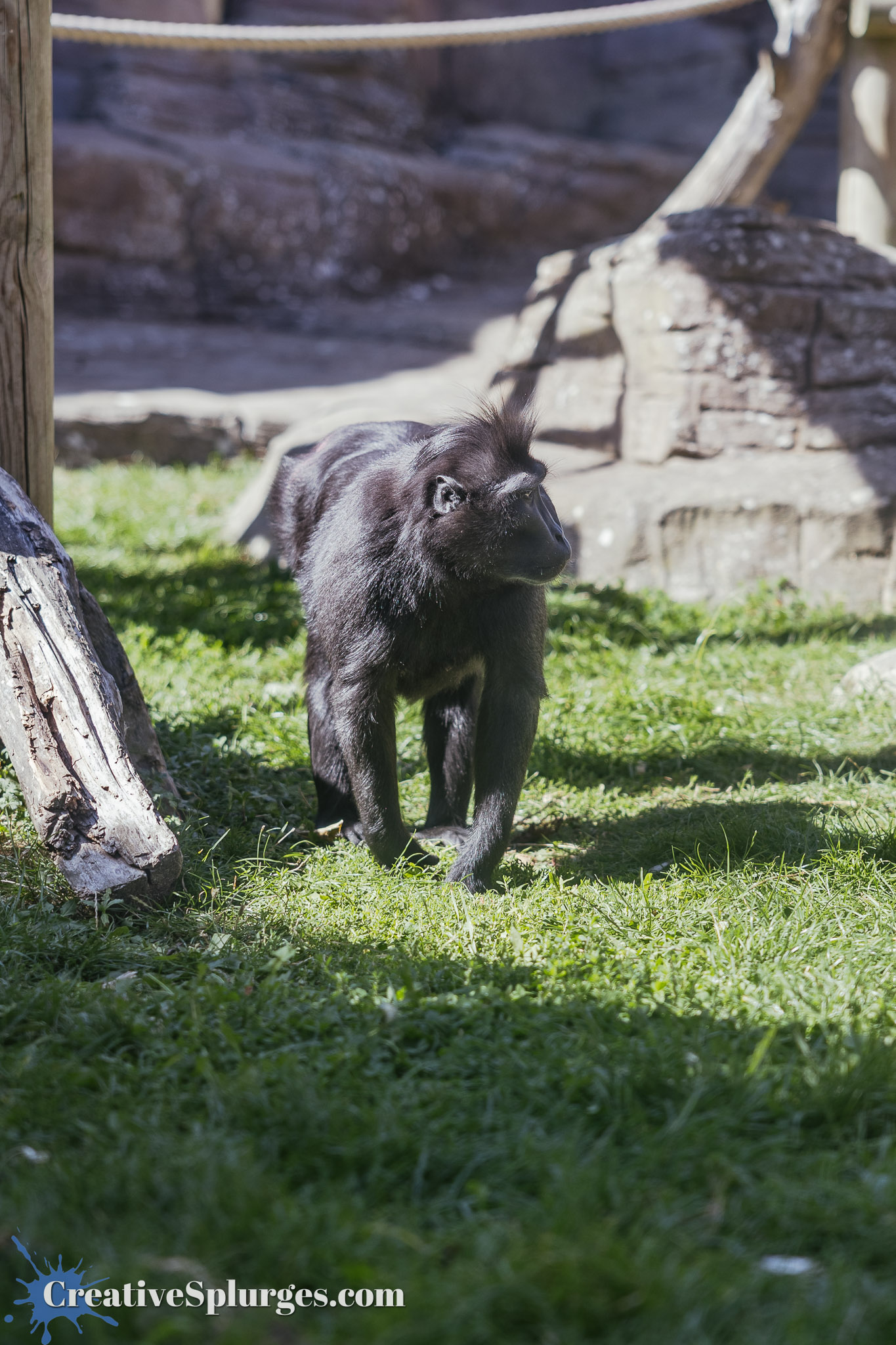
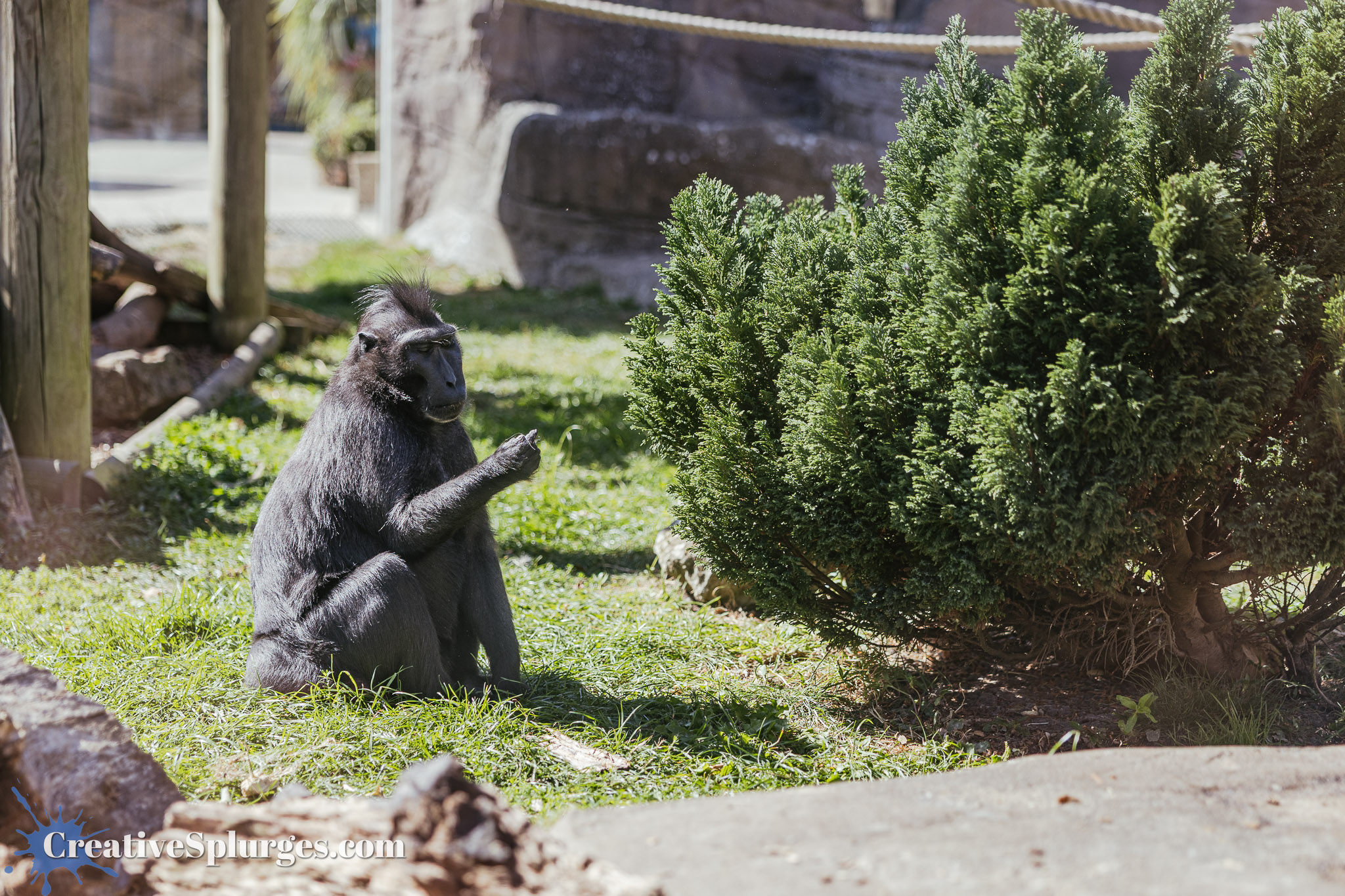
As is often the case, shooting dark-furred animals in bright sunshine proved to be a bit of a challenge.
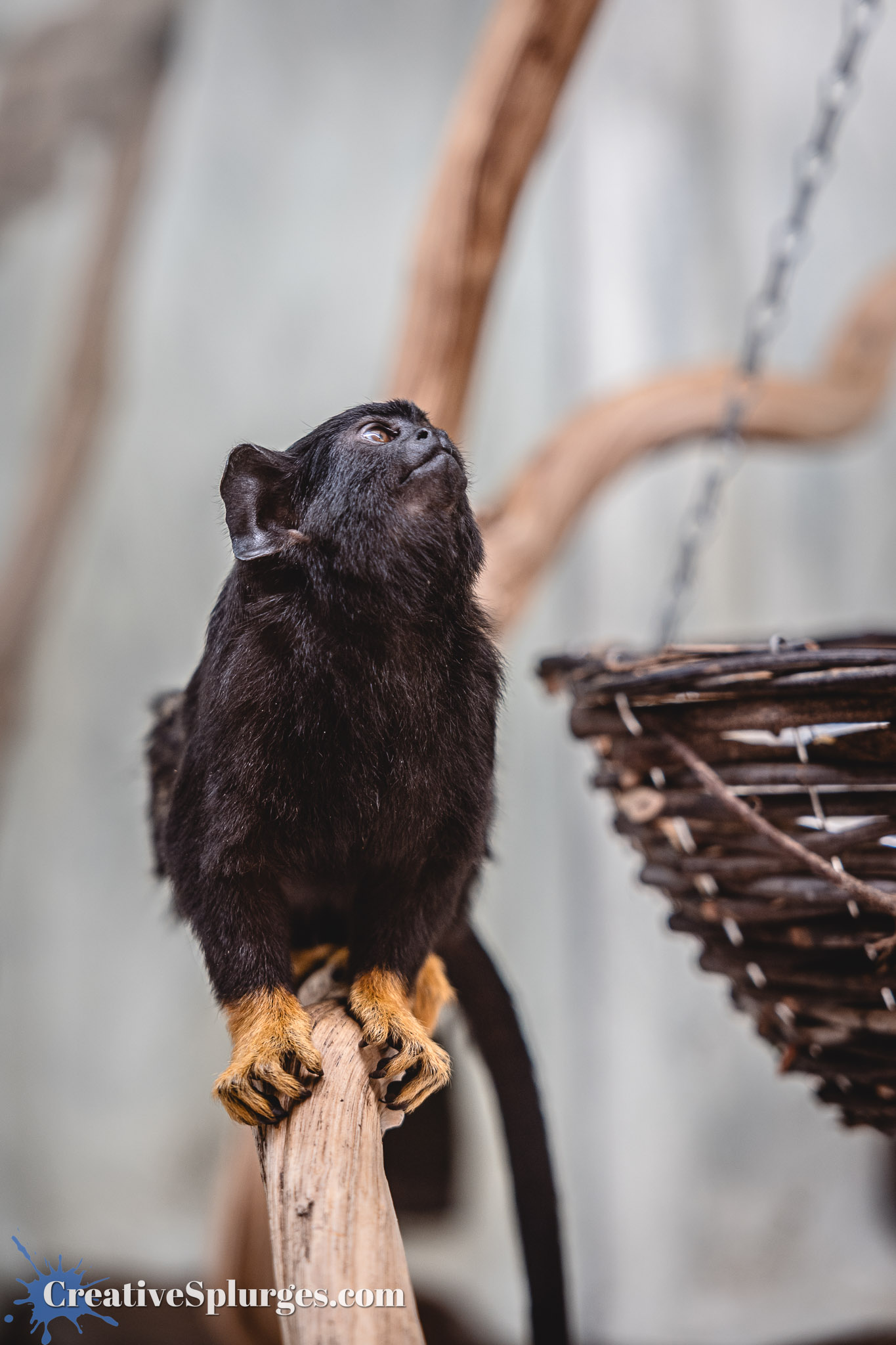
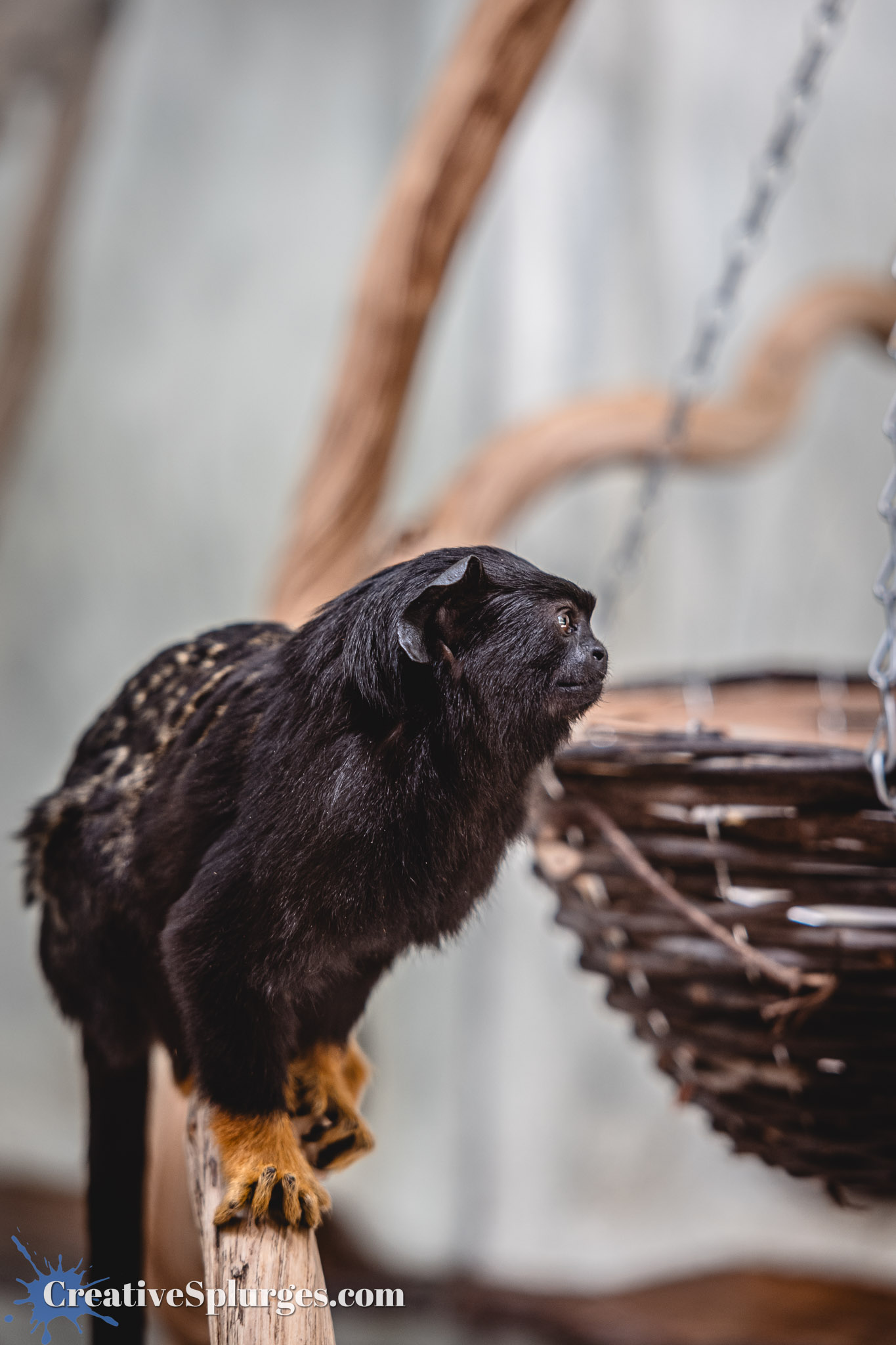
We moved indoors to see some red=handed tamarins. This one looked upset.

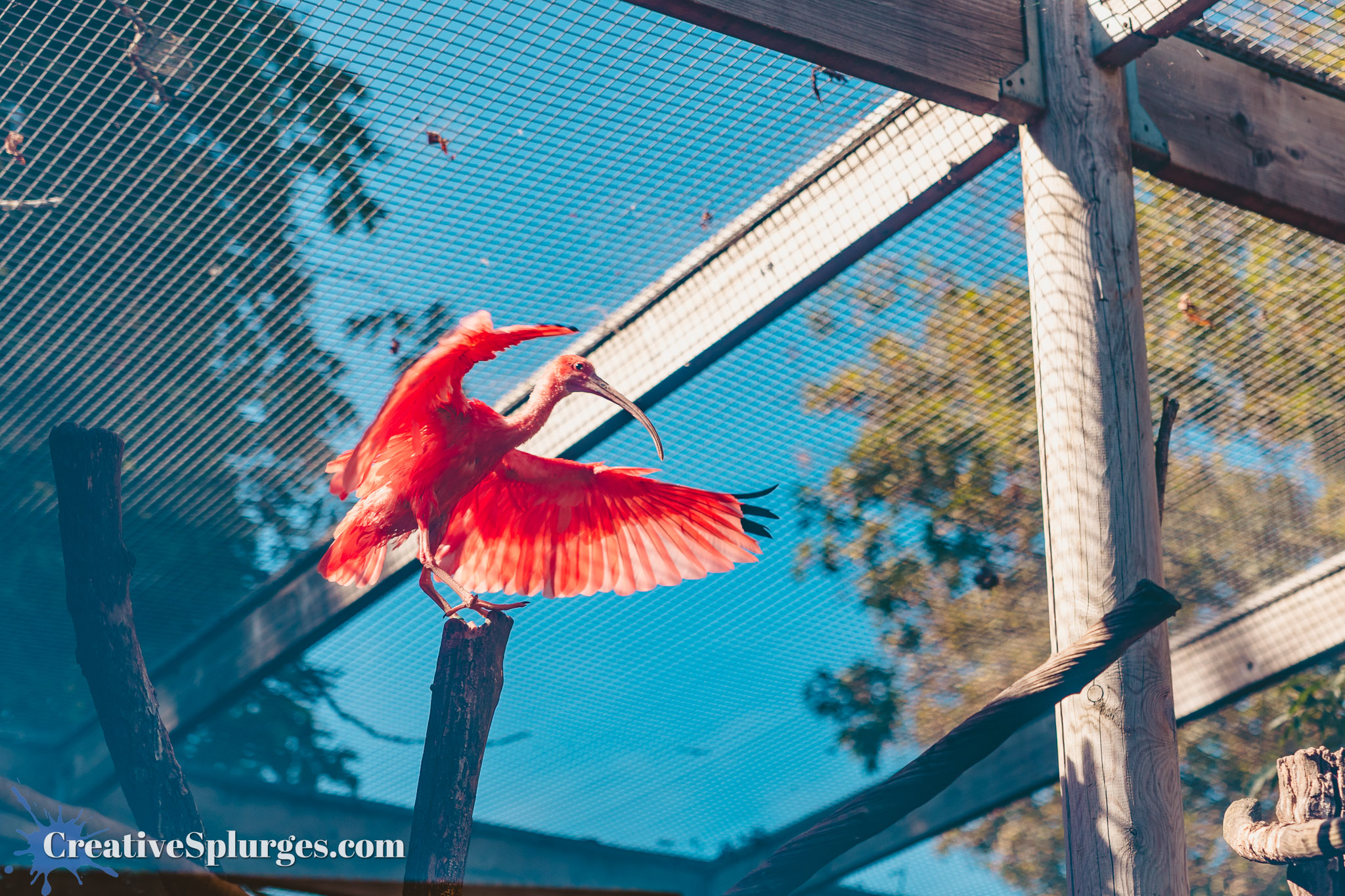
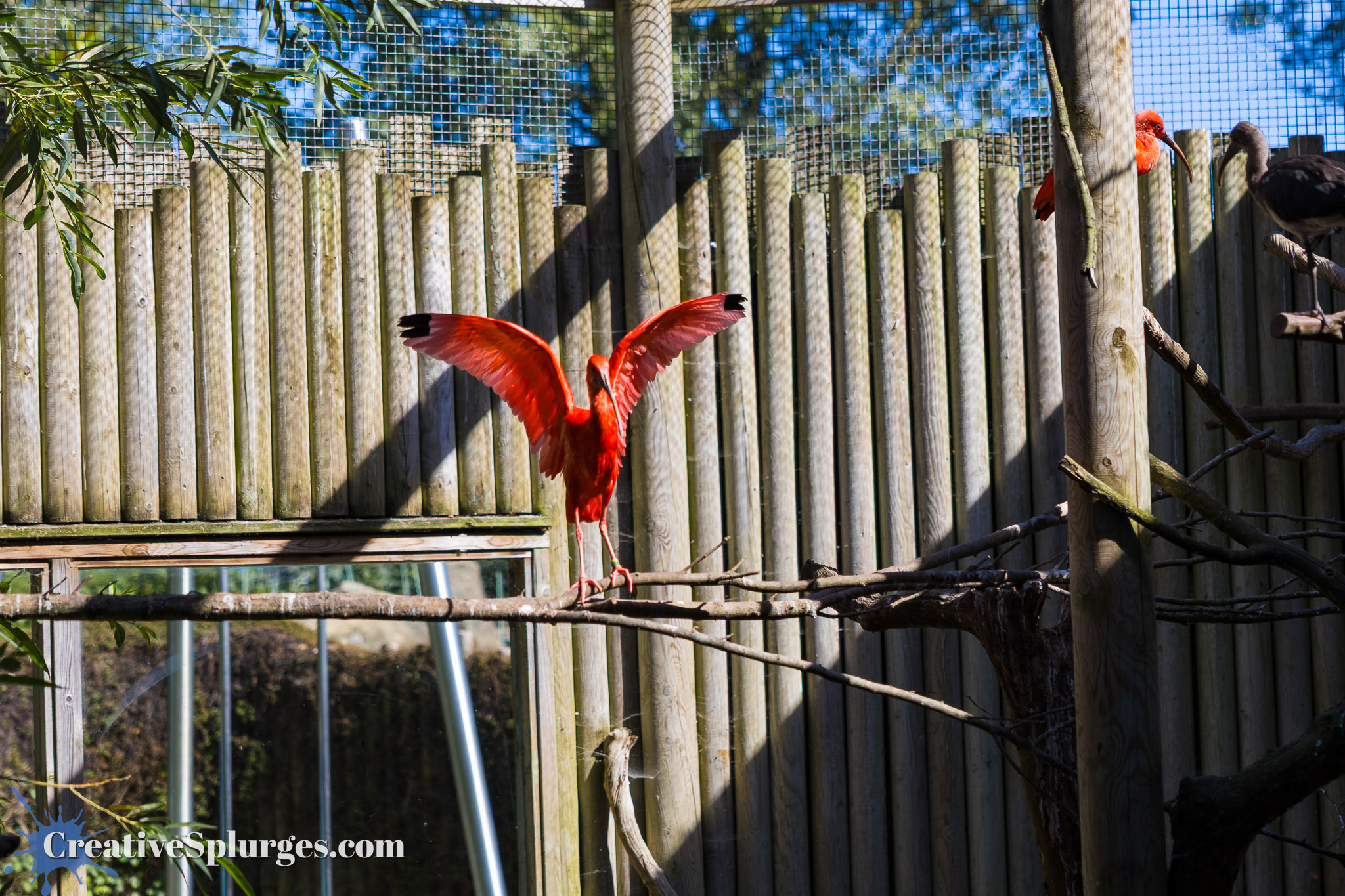
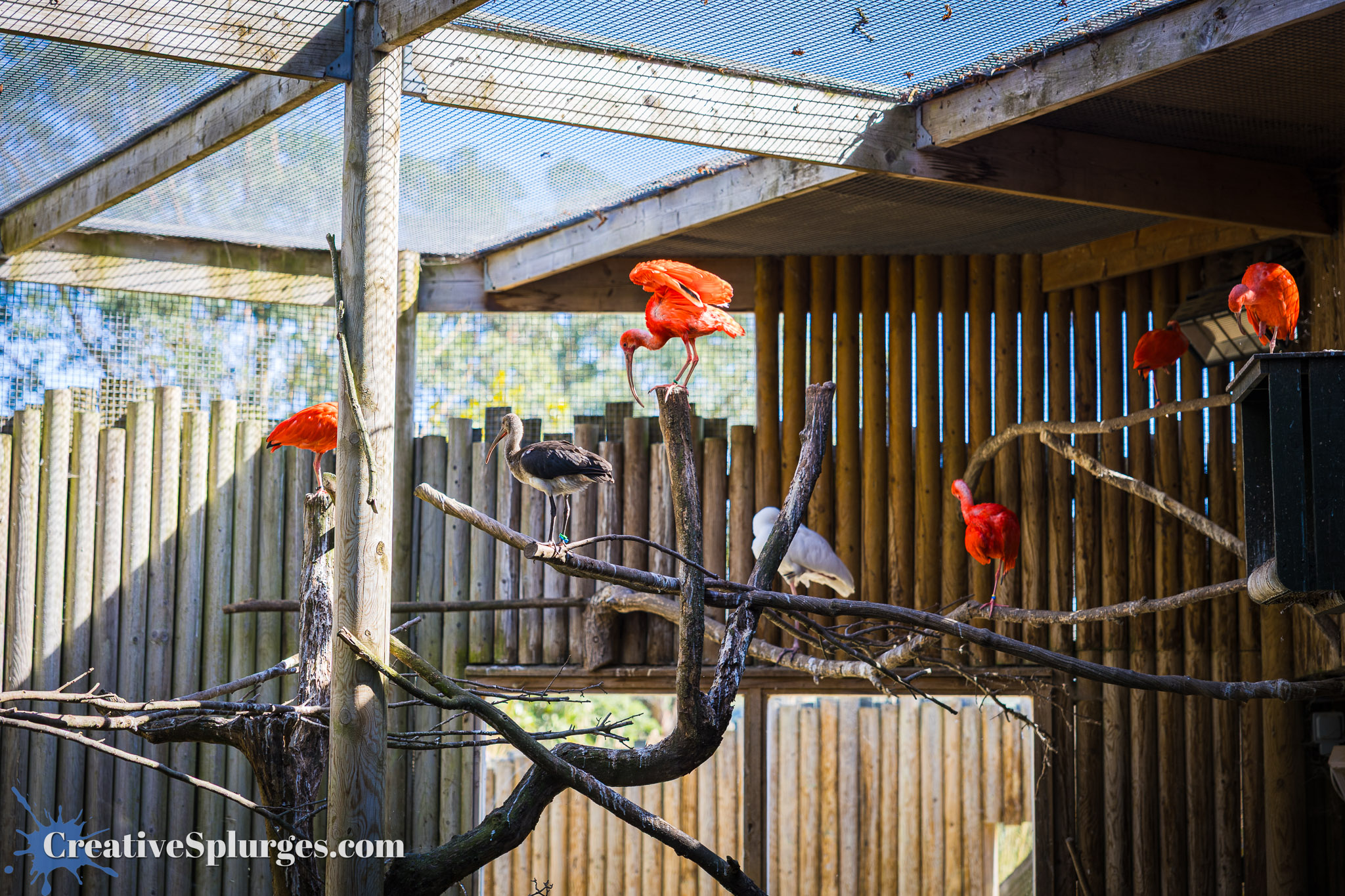
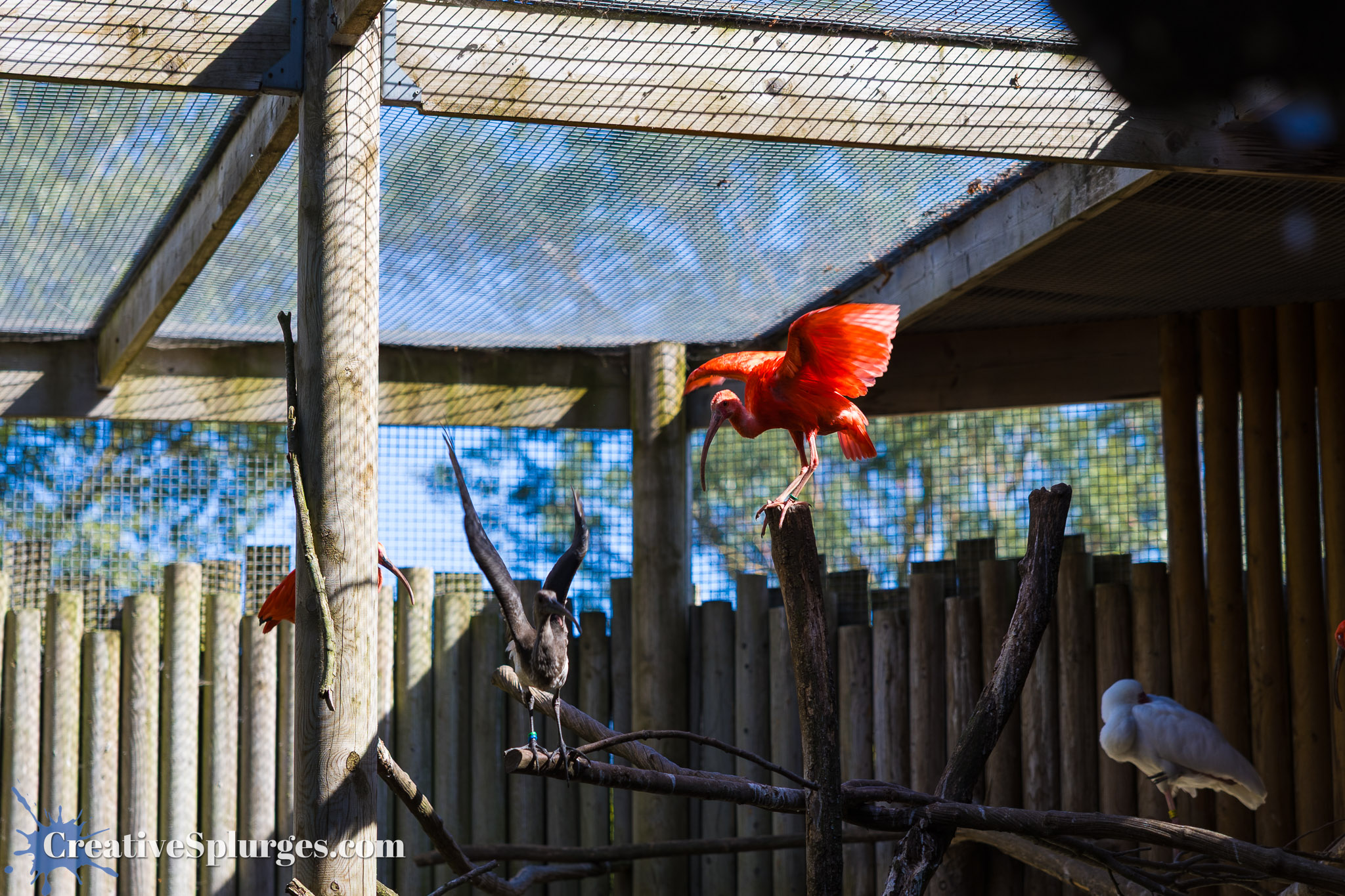
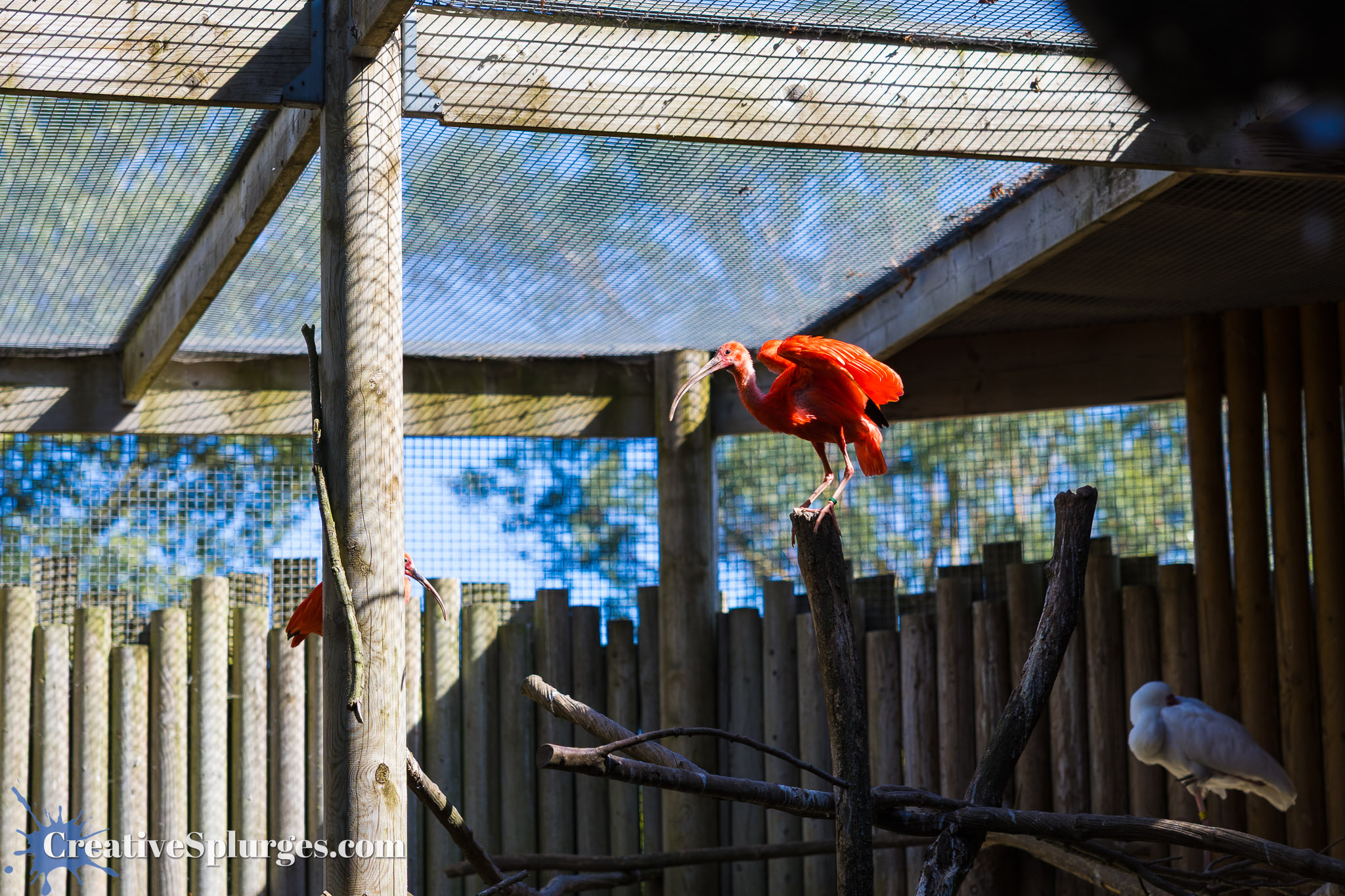
One of the creatures that really caught my eye on our last visit was the scarlet ibises. Given their deep red colour, it was hard to miss them. This time there were a few more showing off.

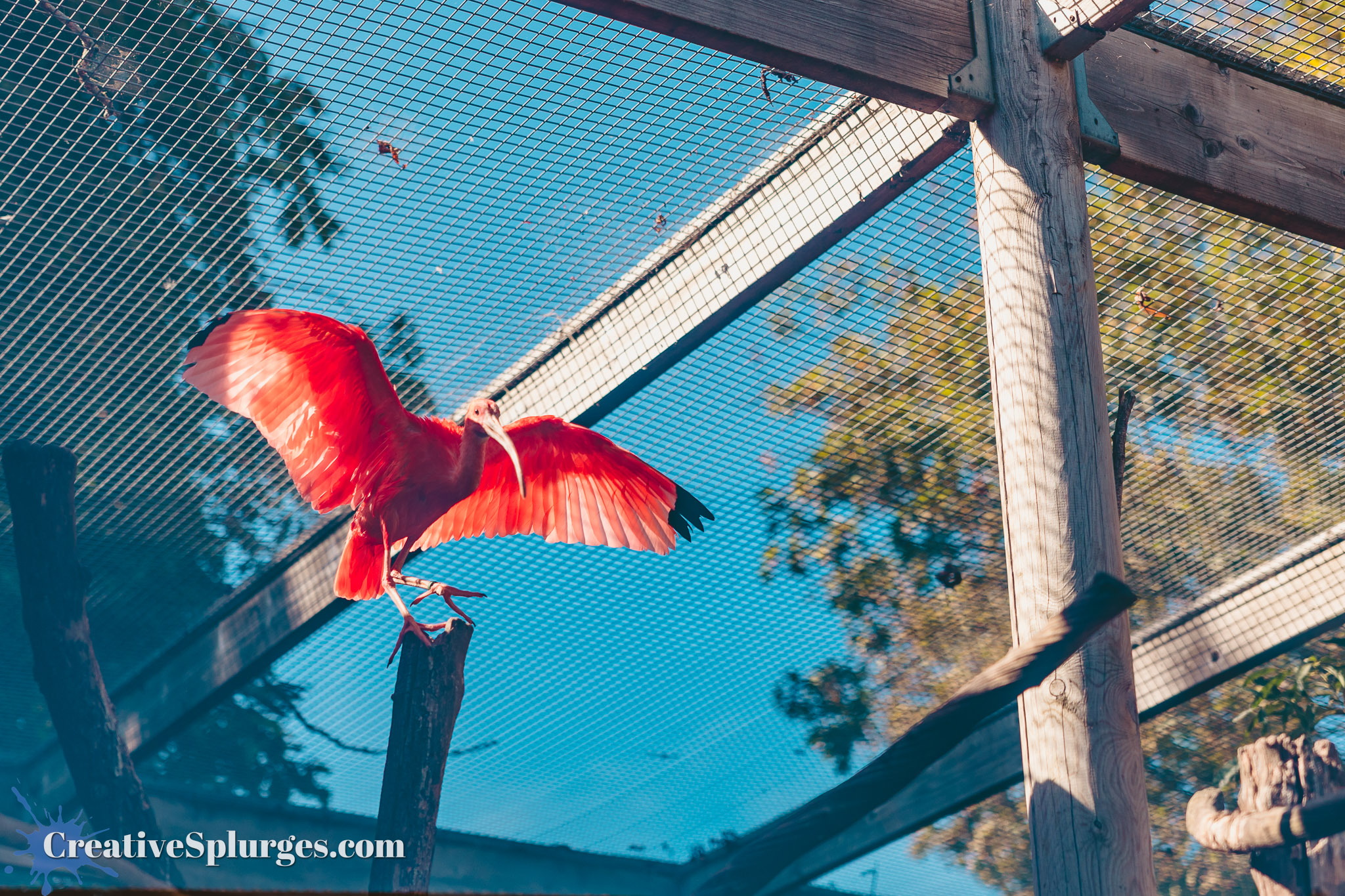
I know these shots look like they’re sunning themselves, but in reality this is me catching them mid-flap.
Unfortunately it was somewhere around this point that I started to forget to take photographs of any of the signs, so take any future species identifying with a pinch of salt.
Also in the bird section was a big-ass owl.
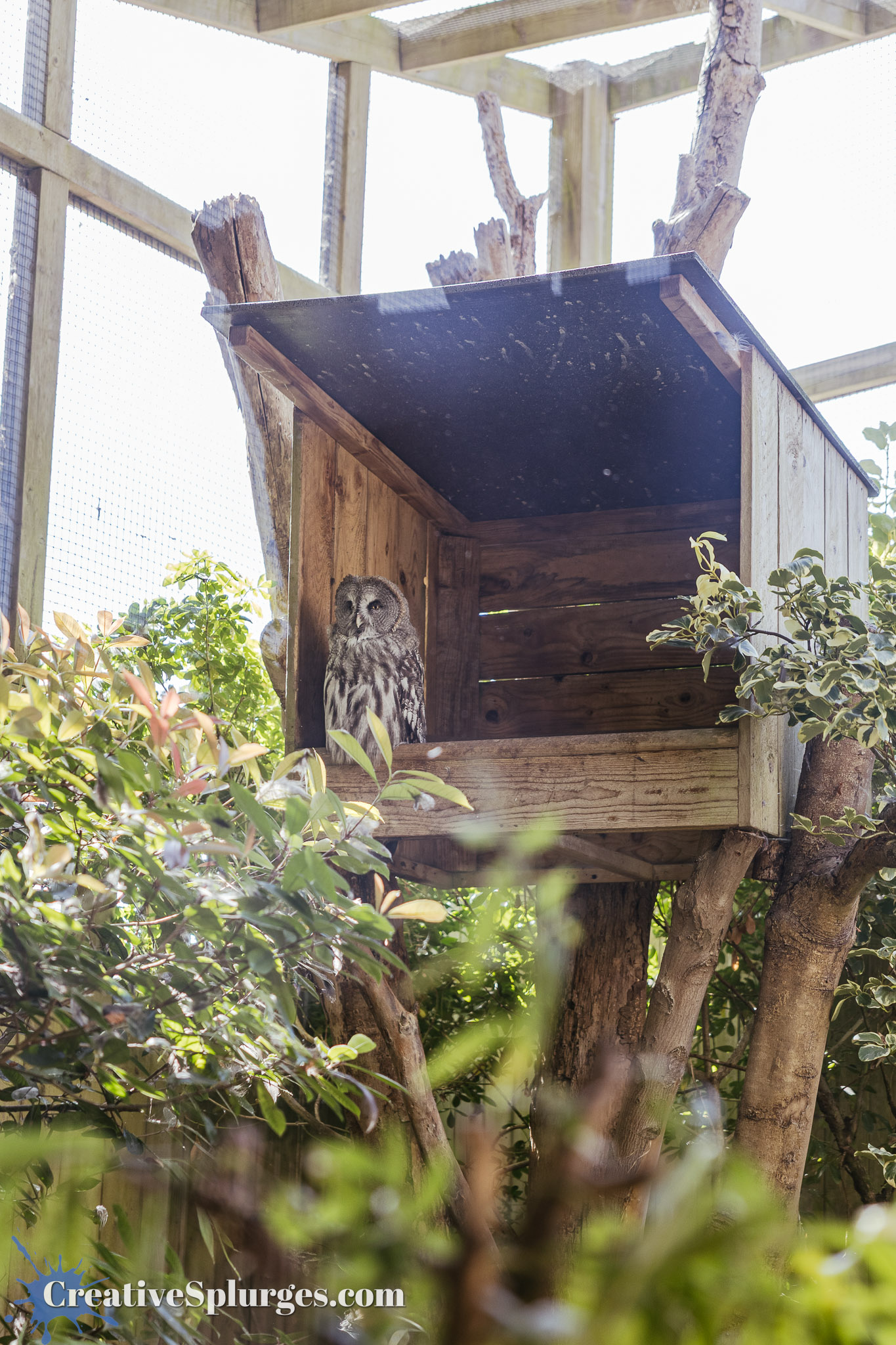
This is one of those situations where I should have switched to my telephoto lens, but I didn’t. I can’t entirely remember why – possibly I was child-wrangling too much to make a swap. Or maybe I was travelling light and didn’t even bring it with me. I like the shot with the surroundings, sure, but a closeup would have been nicer. Plus, last time I was there, there were two of them.
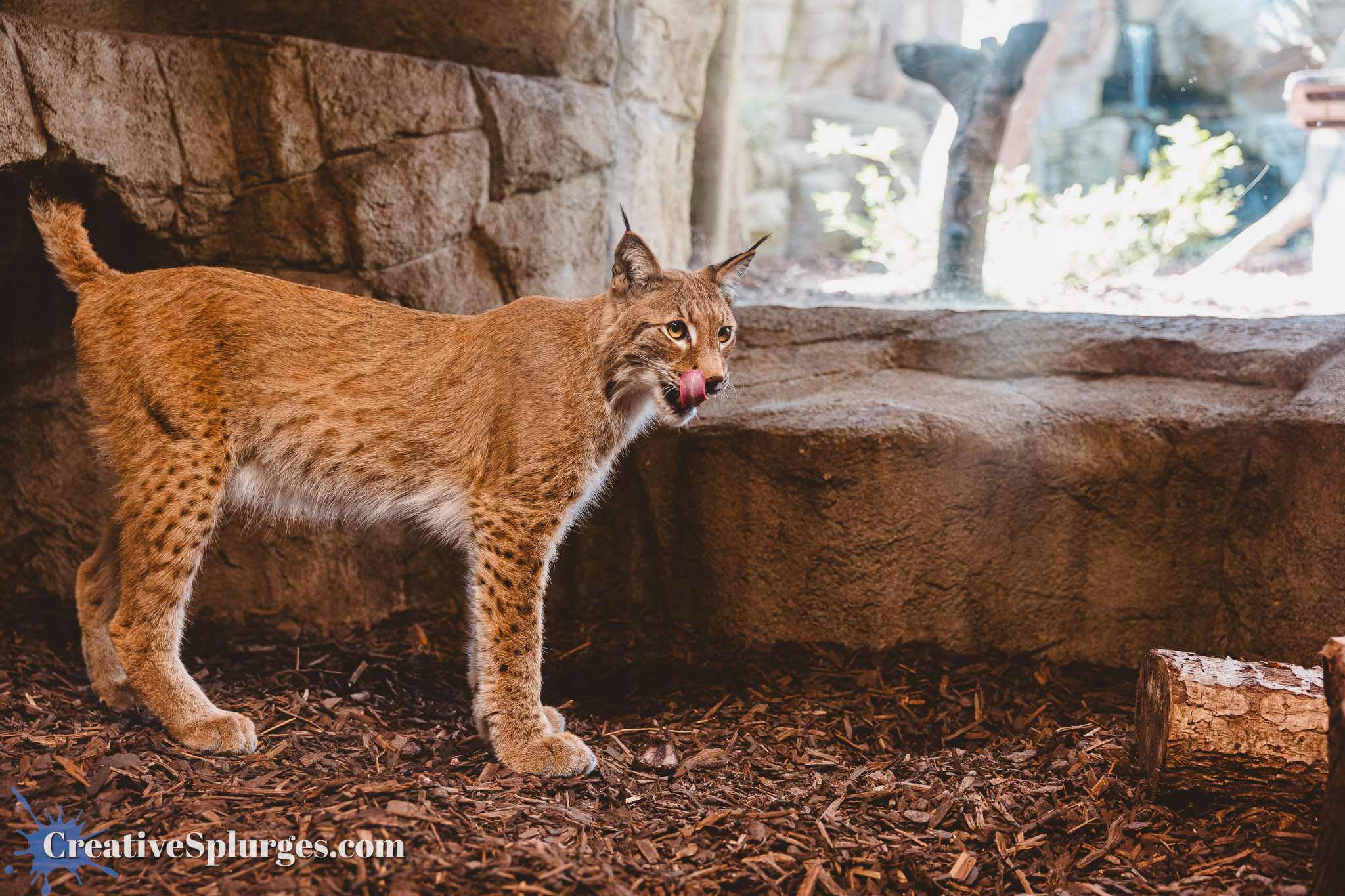
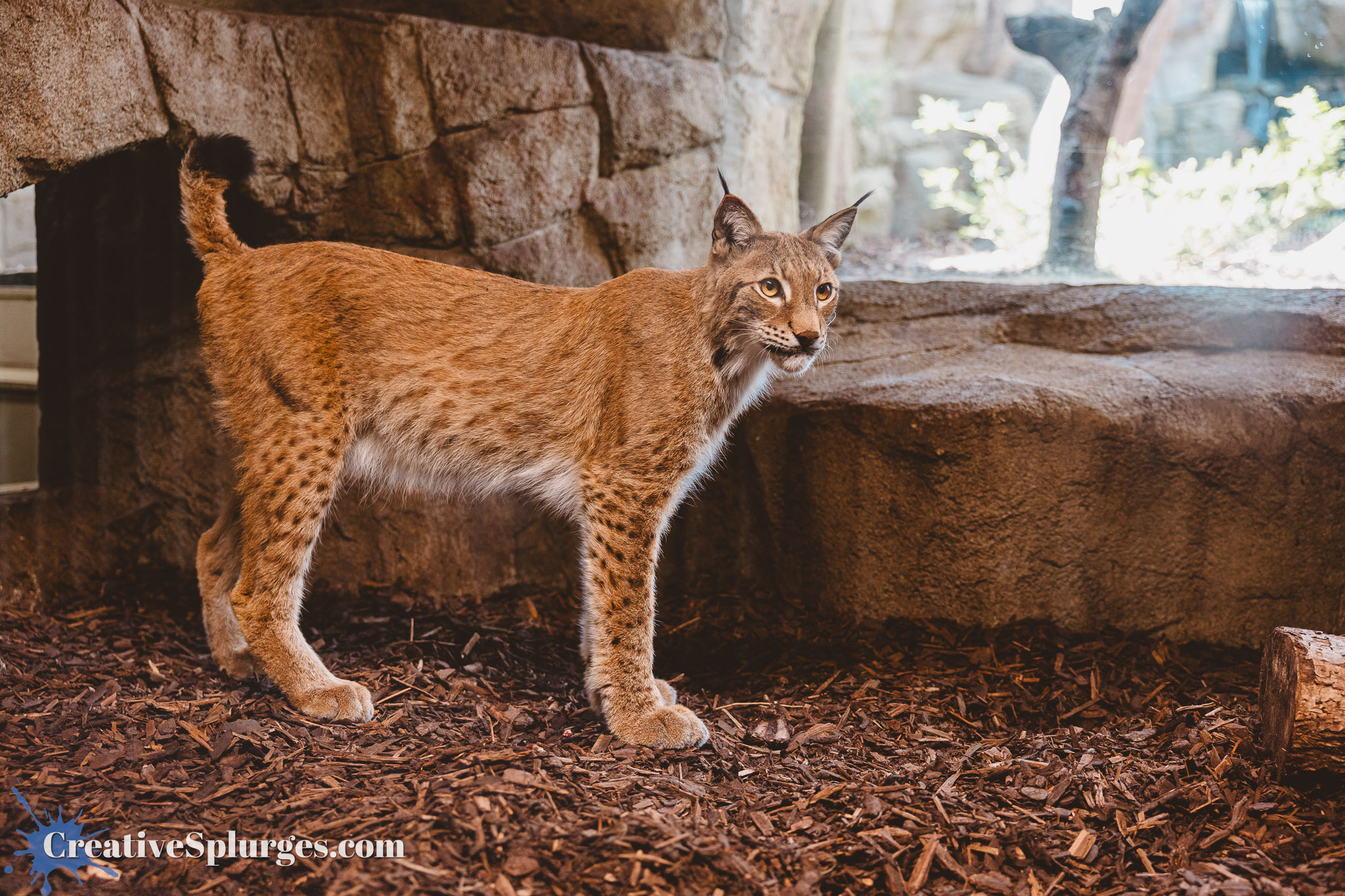
Next up was a big cat. Probably a lynx on account of its big puddypaws and the fact it looks like a cat with human-length limbs.
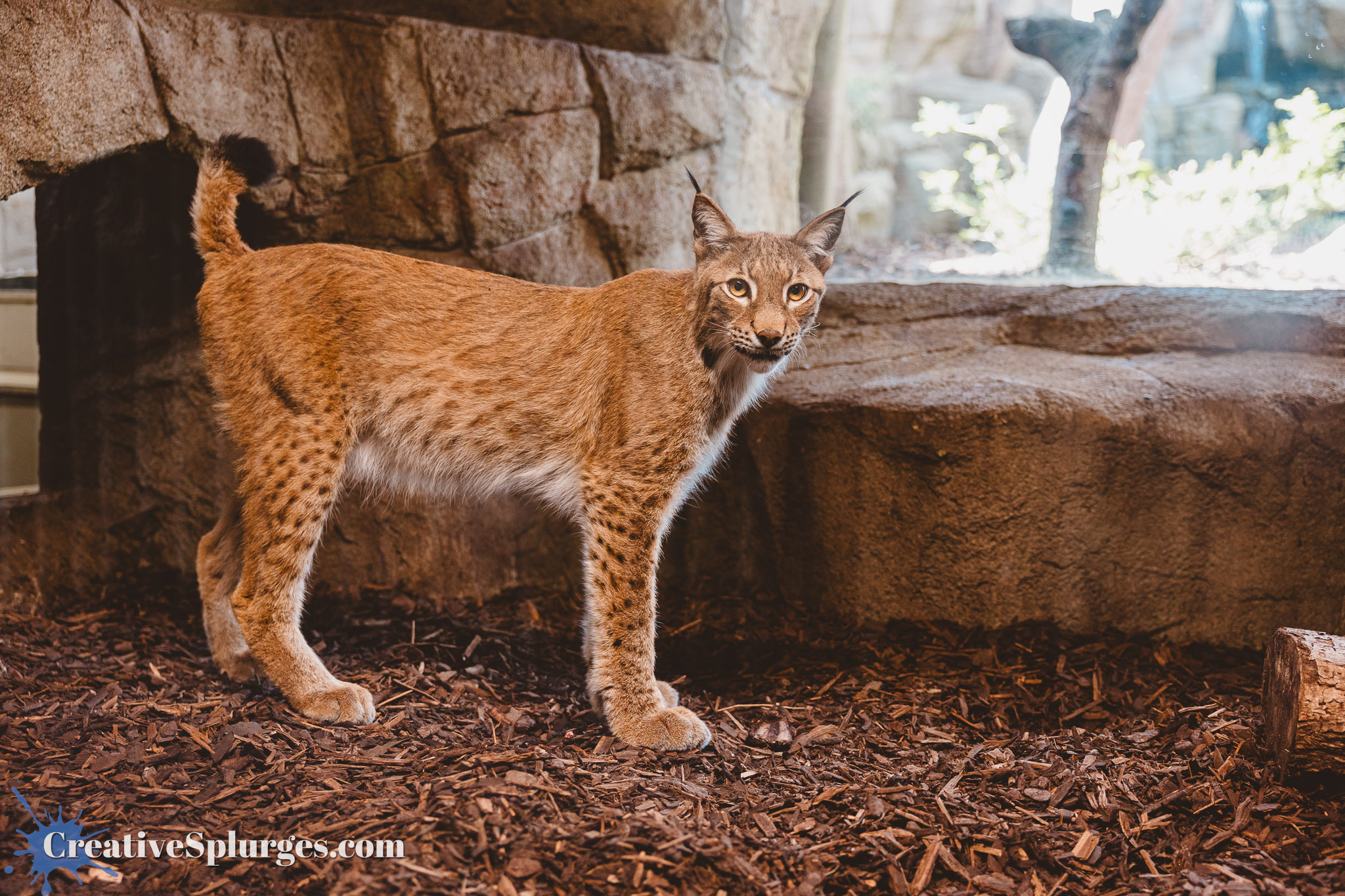
Then we saw these things, which look a bit like Noddy Holder.
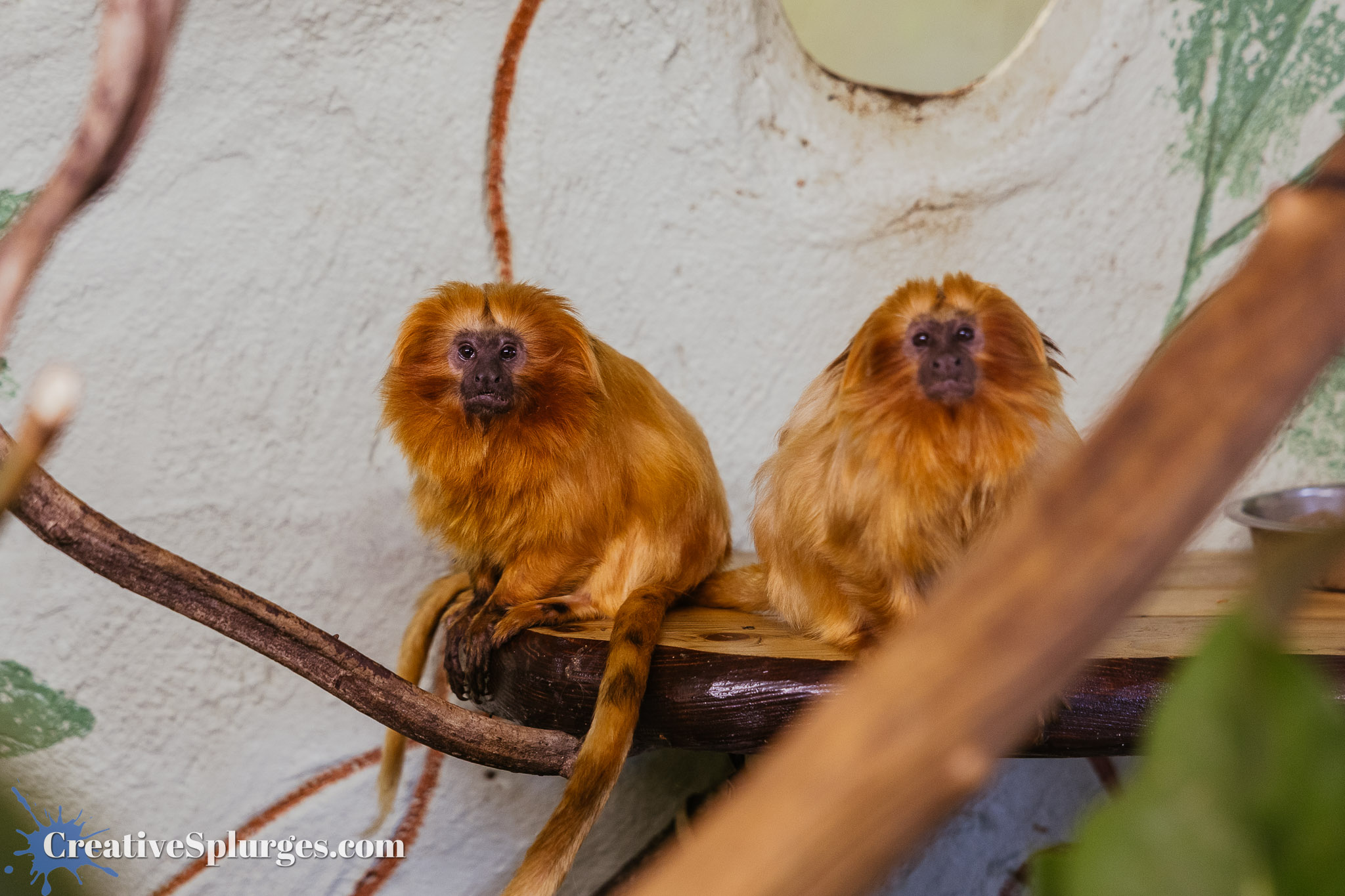
Meanwhile, the lovebirds had exactly the same kind of rope as the marmosets.
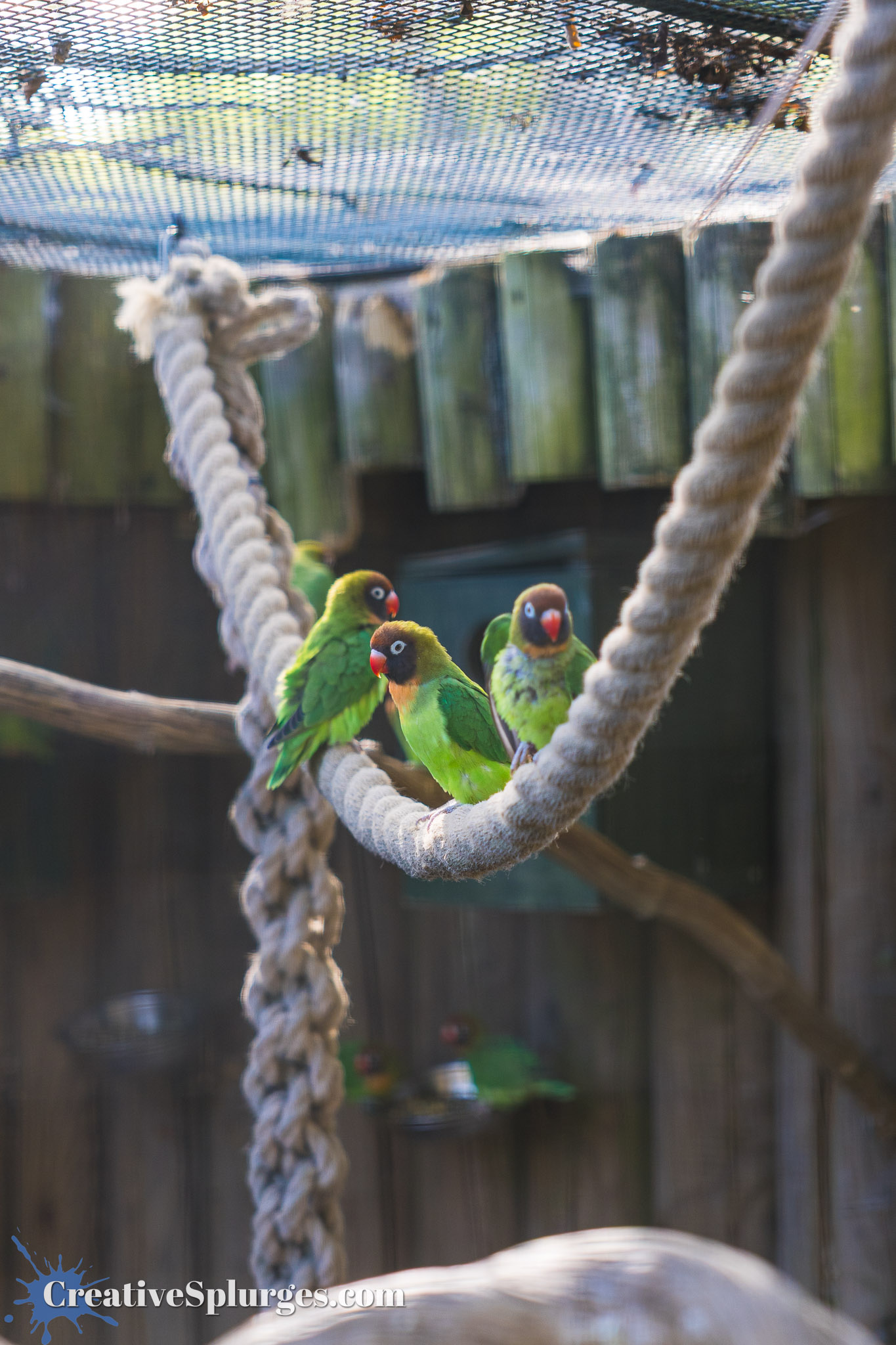
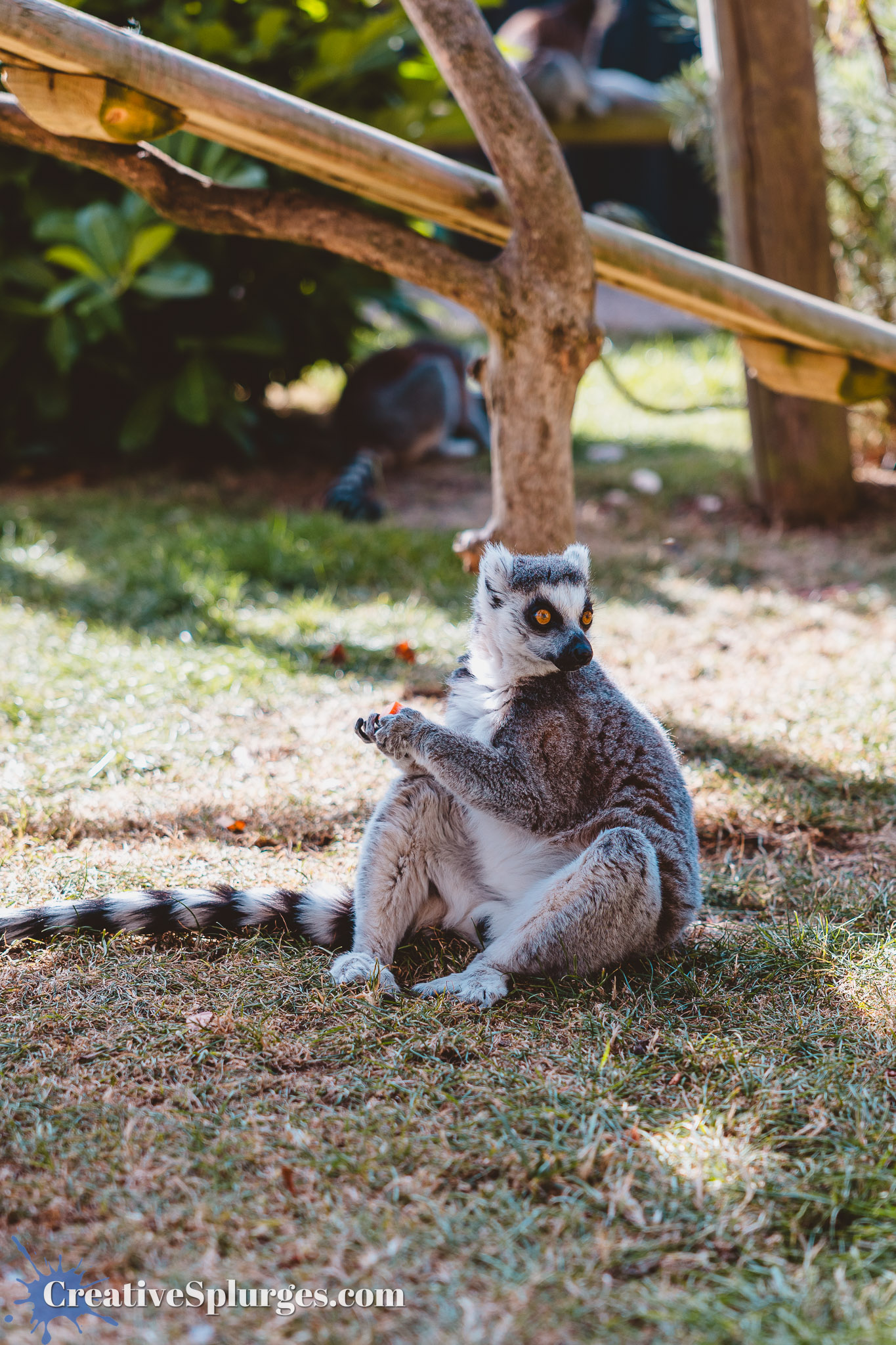
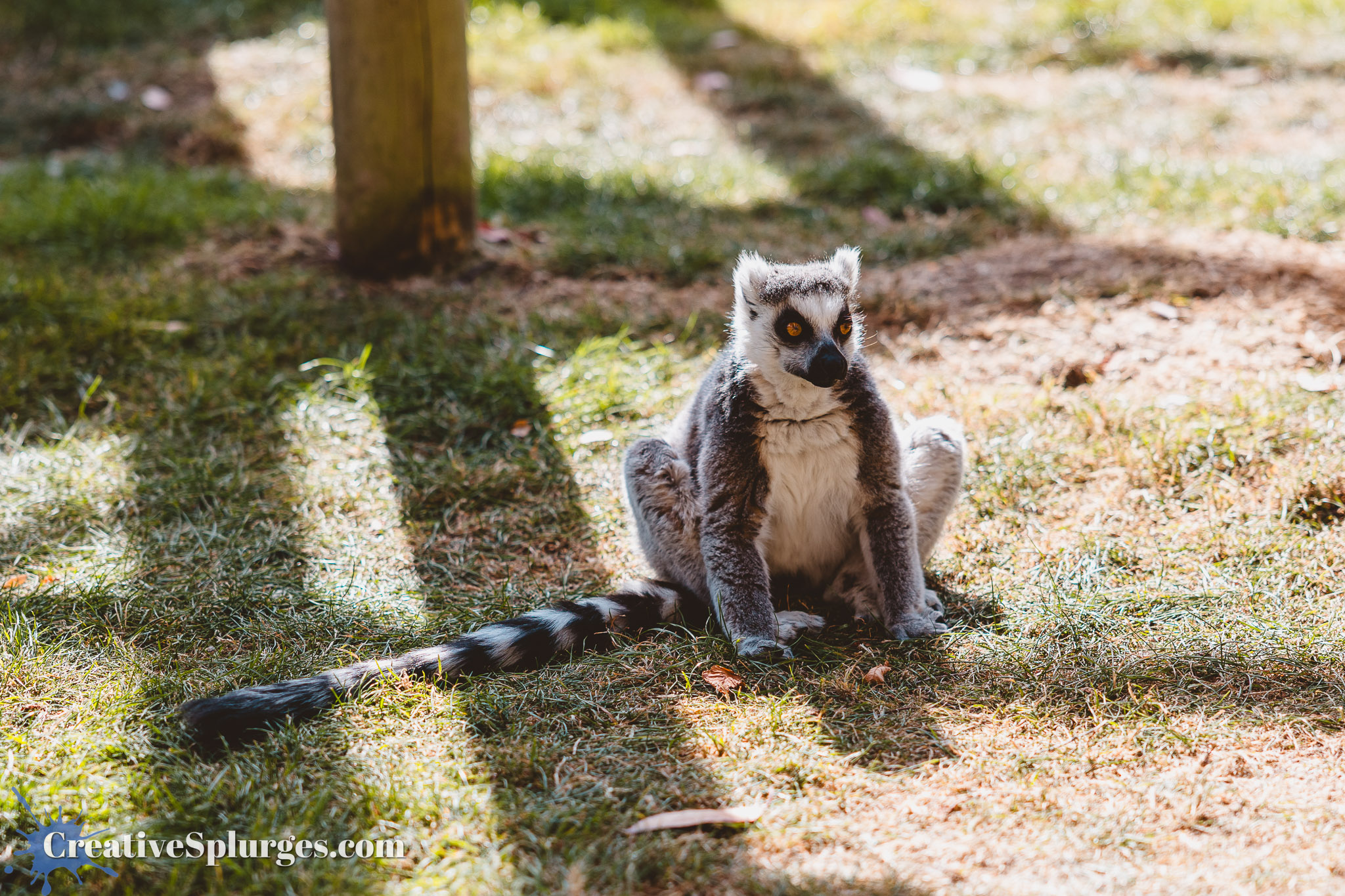
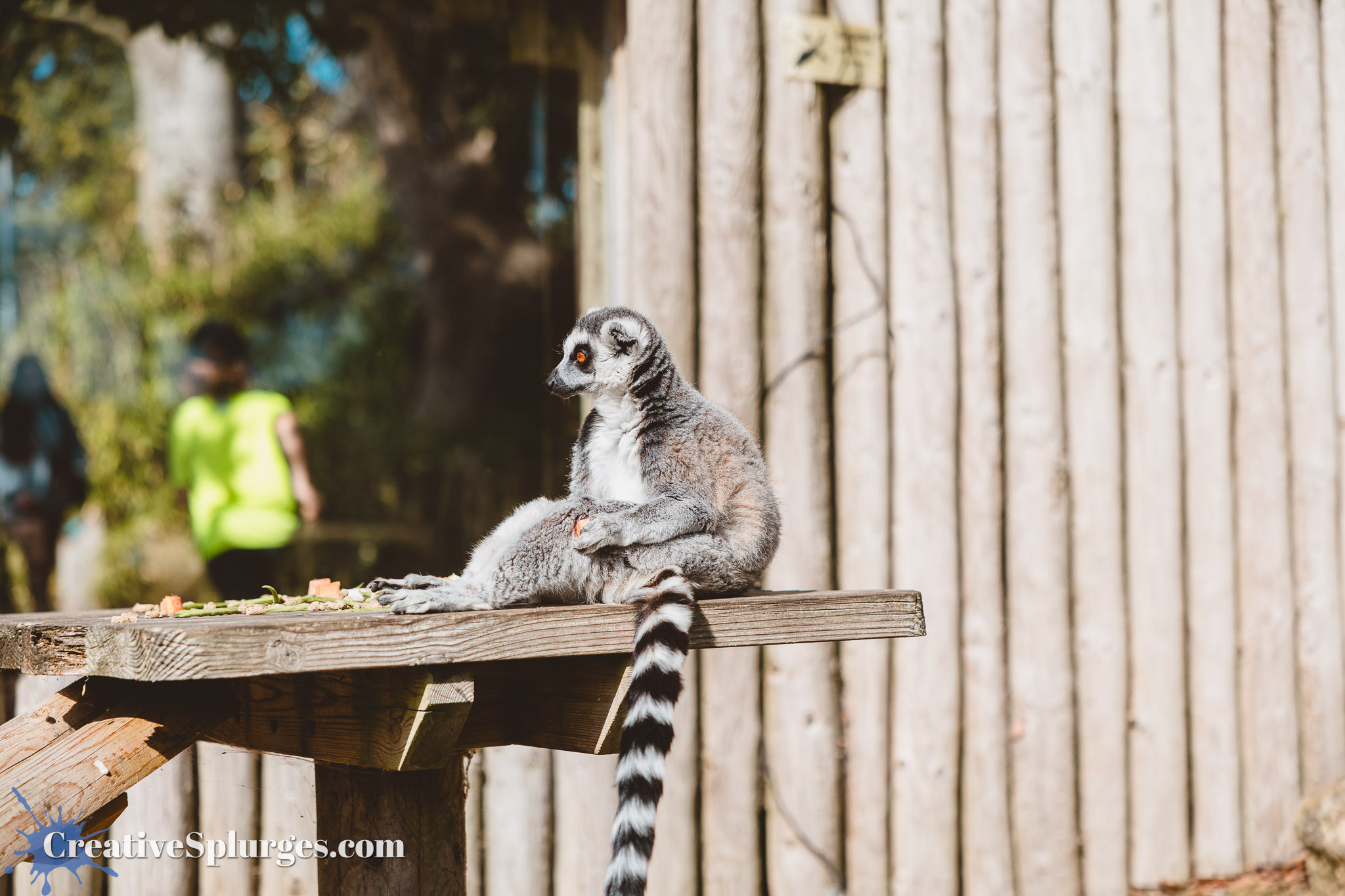
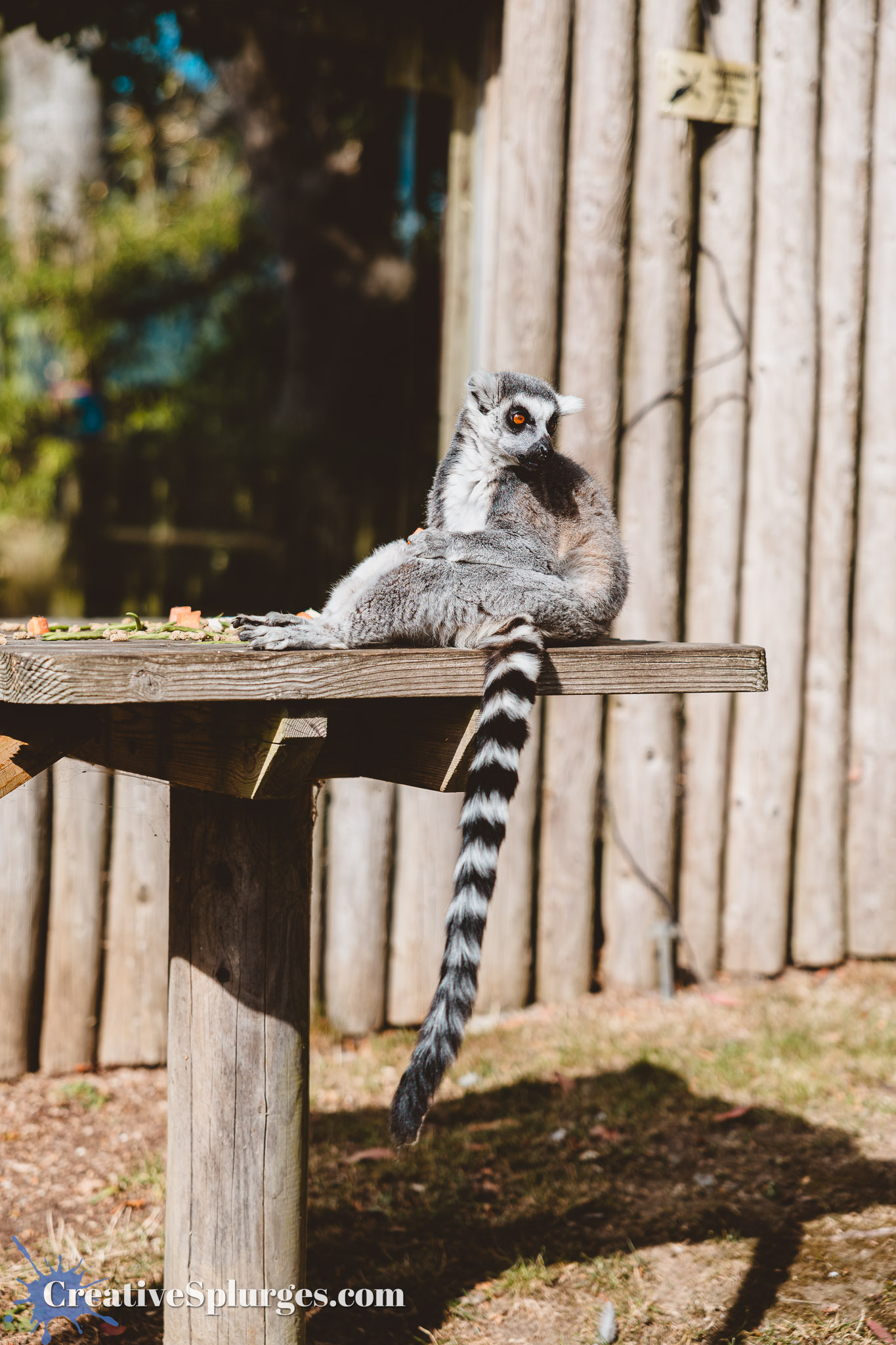
We ended our day in the lemur enclosure, where you can get up close to to red-eyed, bushy tailed critters.
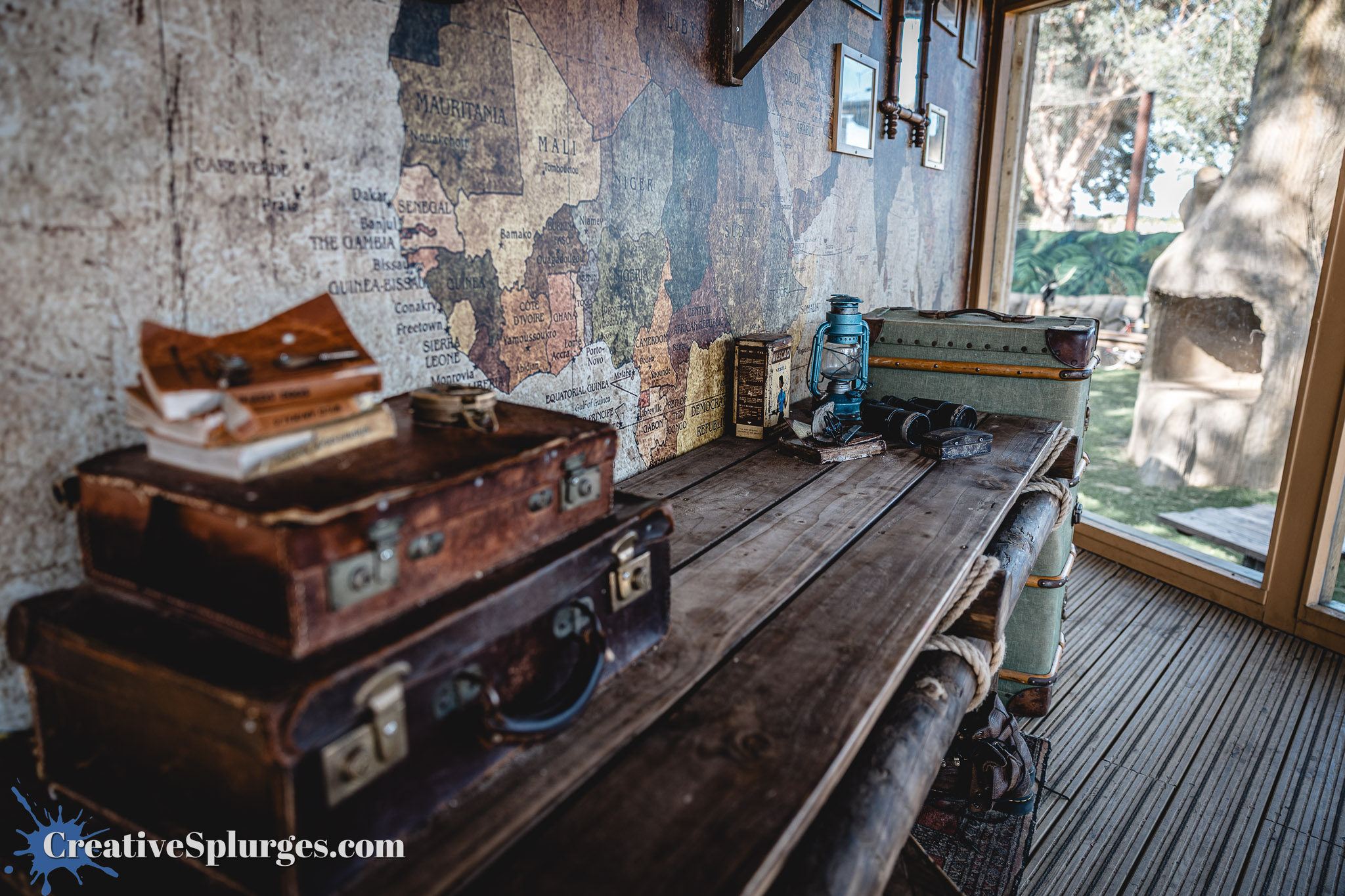
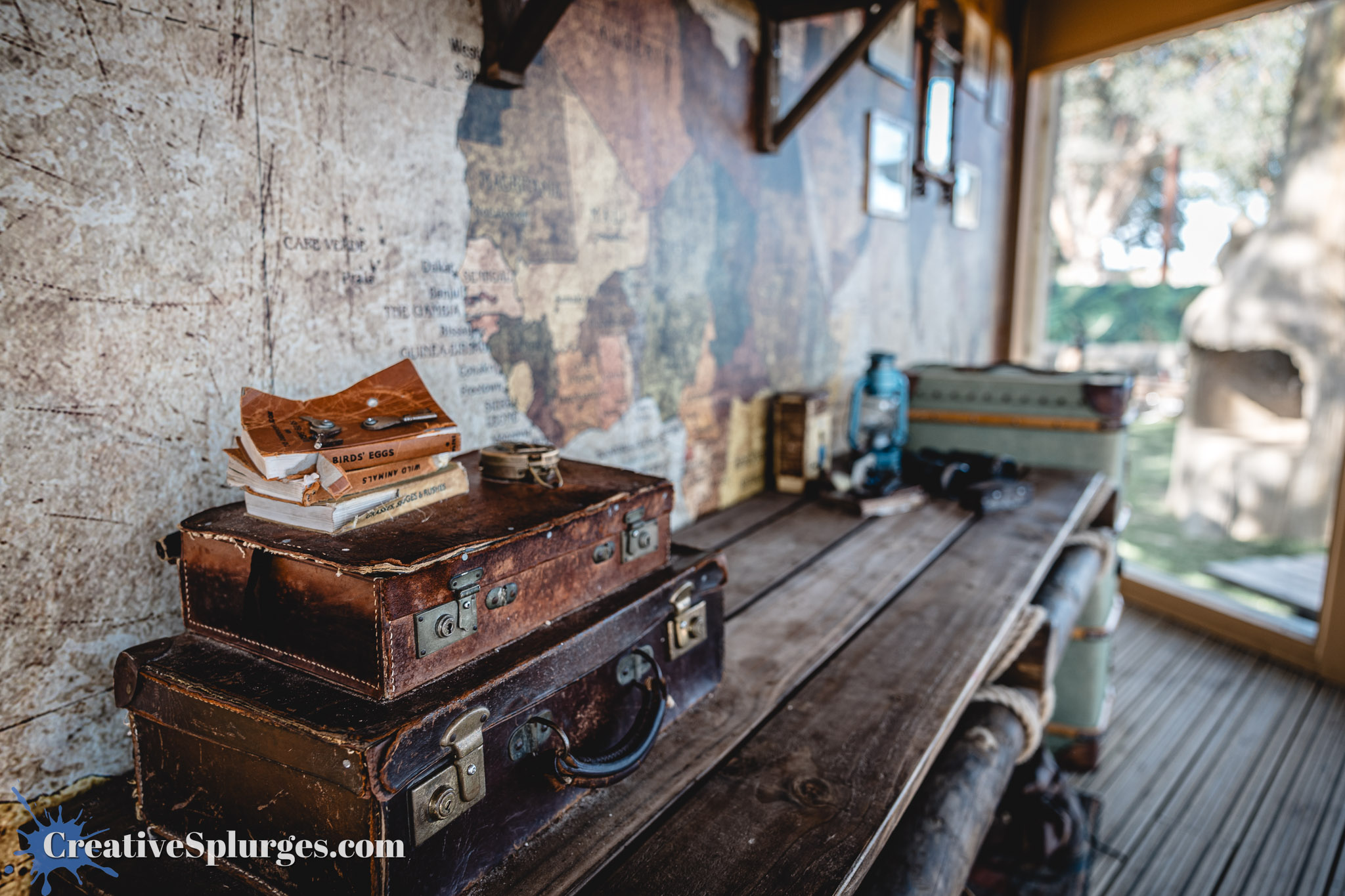
Nearby was a viewing area for another pen, and it had been made up like an old explorer’s office. This made for a nicely staged photo.
But with that, it was time to make tracks and go home.
I’m pleased with this assortment. I think I was able to take much of what I’d learned from the first time and apply it here to get better photos. The animals cooperating helped, too.
As I often find when photographing wildlife that pulls many poses, I had a few shots to pick from, so there are a lot more options in the gallery below.







 Creative Splurges